
The Best Simple Orange Glazed Cake
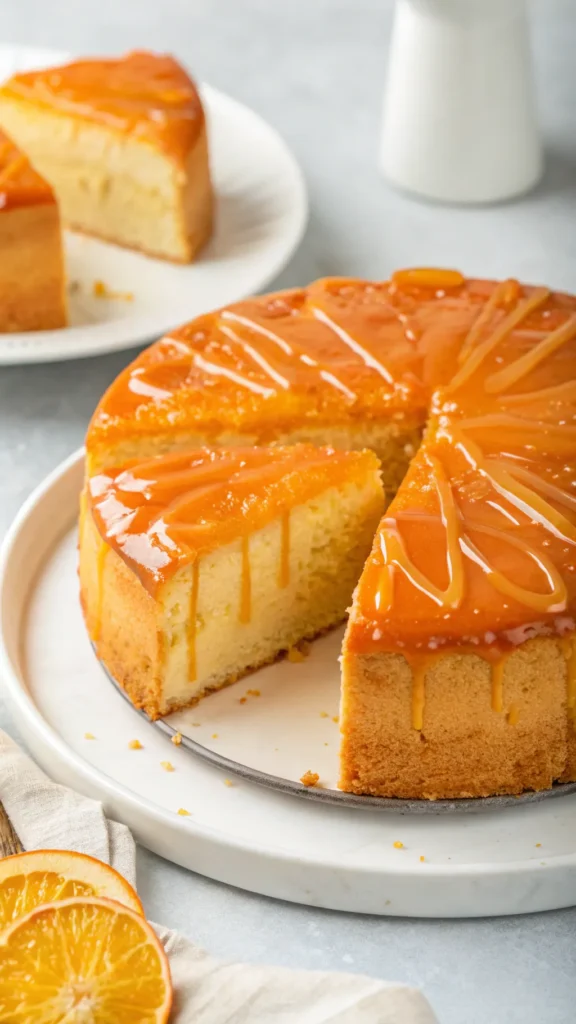
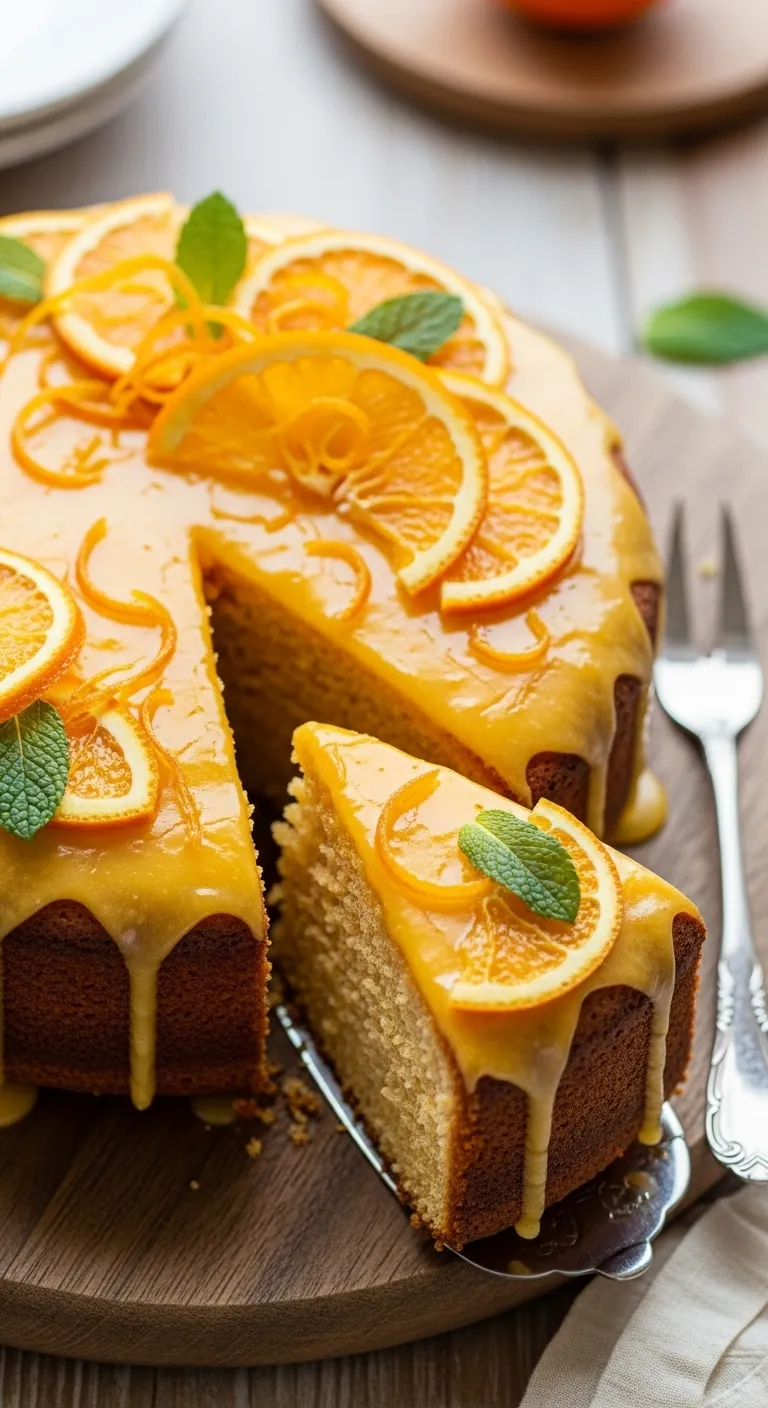
Orange glazed cake feels like that perfect balance between simple and special. The cake itself stays soft and lightly citrusy, while the glaze adds a sweet, glossy finish that makes everything feel just a little more indulgent. I usually make this when I want a dessert that looks impressive but doesn’t demand hours in the kitchen. It’s easy, comforting, and honestly hard to mess up. This cake works for everyday cravings and casual gatherings alike. One bite gives you soft crumb, fresh orange flavor, and that satisfying glaze that soaks in just enough without turning things soggy.
Why the Orange Glaze Makes Such a Difference
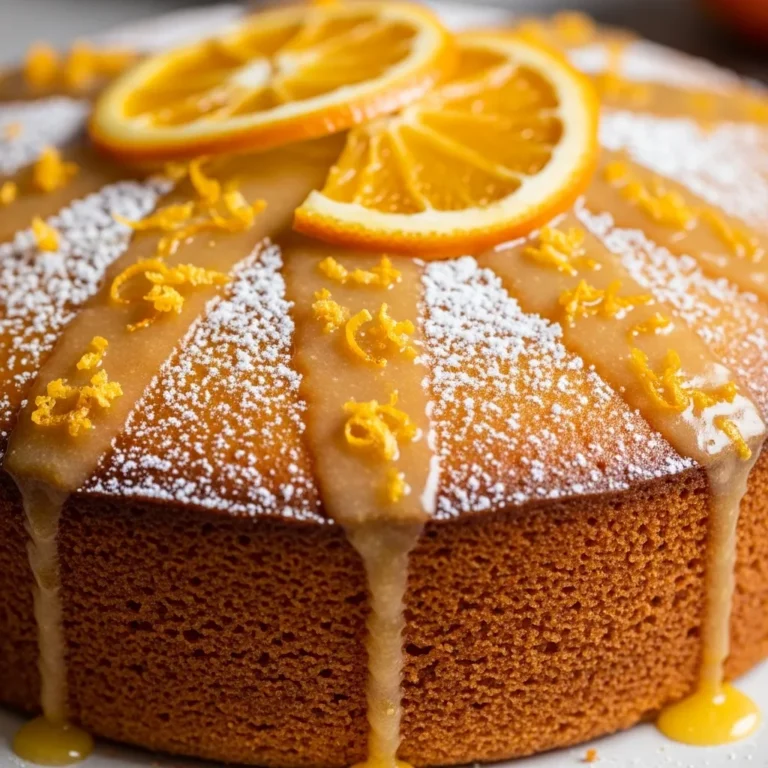
The glaze isn’t just decoration here. It adds moisture, sweetness, and a burst of orange flavor right on top. Ever noticed how a simple glaze can completely change the vibe of a cake? As the glaze settles, it seeps slightly into the surface. That creates a tender top layer while keeping the inside soft. It’s a small step that delivers big payoff.
The Cake Base: Soft, Light, and Reliable
Under the glaze sits a straightforward orange cake that focuses on texture. Oil or butter keeps it tender, while orange juice adds moisture and flavor. The crumb stays soft without feeling heavy or dense. This cake doesn’t rely on frosting or fillings to taste good. It stands on its own, which makes the glaze feel like a bonus instead of a cover-up.
Fresh Orange Juice and Zest Matter
Fresh orange juice gives the cake a natural citrus note that tastes clean, not artificial. Orange zest does the heavy lifting when it comes to aroma. Without zest, the cake would taste fine but not memorable. I always zest the oranges first, then juice them. It keeps everything fresh and makes prep easier.
Simple Ingredients That Work Together
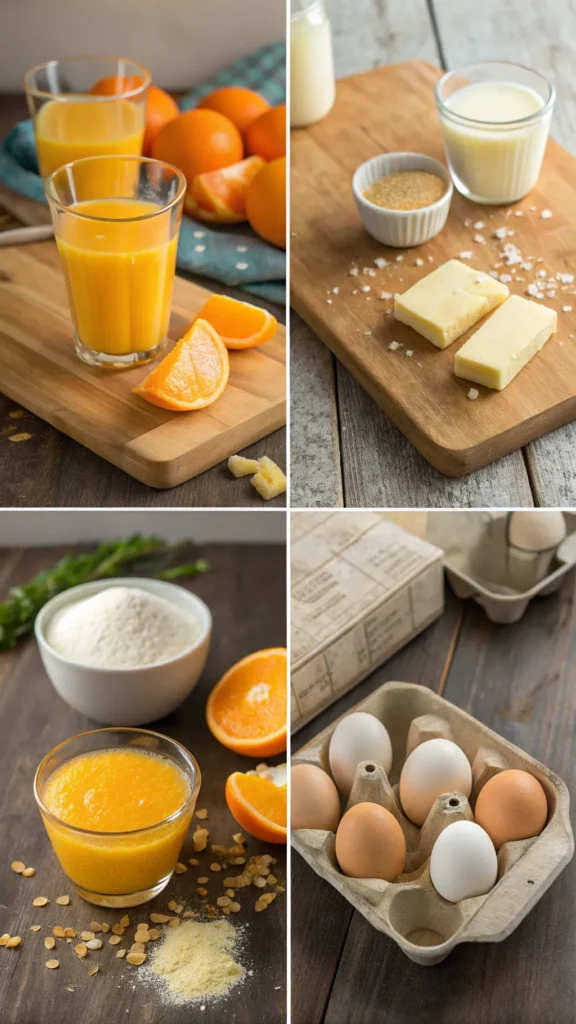
This recipe keeps things uncomplicated, which I genuinely appreciate. Each ingredient has a clear role, and nothing feels unnecessary. Simple ingredients, consistent results. Key ingredients include:
- Fresh orange juice for moisture
- Orange zest for aroma
- Oil or butter for tenderness
- Eggs for structure
- Flour and baking powder for lift
How to Mix the Batter Properly
You don’t need a mixer for this cake. A bowl and whisk handle everything just fine. Mix the wet ingredients until smooth, then gently fold in the dry ingredients. Once the flour disappears, stop mixing. Overmixing tightens the crumb and steals that soft texture you want.
Choosing the Right Pan
Orange glazed cake works well in loaf pans, round pans, or even square pans. A loaf pan feels cozy and slice-friendly. A round pan works nicely if you want a more classic cake presentation. Just remember that pan depth affects baking time. Thicker cakes need a bit more patience in the oven.
Knowing When the Cake Is Ready
The cake is done when the top turns lightly golden and springs back when gently pressed. The edges will pull slightly away from the pan. A toothpick should come out with a few moist crumbs. Don’t wait for total dryness. Slight moisture means the cake stays soft after cooling.
Making the Perfect Orange Glaze
The glaze comes together in minutes. Powdered sugar and fresh orange juice create a smooth, pourable consistency. The key is adding juice slowly so it doesn’t turn too thin. You want a glaze that flows but still clings to the cake. Too thick won’t soak in, and too thin disappears completely.
When to Glaze the Cake
Let the cake cool slightly before glazing. Warm cake helps the glaze settle and soak just a bit into the surface. If the cake is too hot, the glaze melts away. If the cake is completely cold, the glaze will sit more on top. Both options work, depending on whether you want soak-in or shine.
Texture and Flavor Expectations

Expect a soft, tender crumb with a bright orange flavor. The glaze adds sweetness without overpowering the citrus. Each bite feels balanced and comforting. The texture stays moist for days, especially with the glaze locking everything in.
Common Mistakes to Avoid
Overmixing remains the biggest issue. Stir gently and stop early. Another mistake is using bottled juice without zest, which dulls the flavor. Also avoid pouring glaze on a piping-hot cake unless you want it to disappear completely.
How to Store Orange Glazed Cake

Once glazed and set, store the cake in an airtight container. It stays fresh at room temperature for up to three days. The glaze helps keep the cake moist. For longer storage, refrigerate it for up to five days. Let slices come to room temperature before serving.
Freezing the Cake
You can freeze the cake without glaze for best results. Wrap it tightly and freeze for up to two months. Thaw at room temperature, then add fresh glaze before serving. Freezing with glaze works too, but the texture of the glaze may change slightly.
Easy Variations to Try
You can swap part of the orange juice with lemon for a citrus blend. Adding a pinch of vanilla or cardamom also works nicely. Keep changes subtle so the orange stays front and center. Sometimes simple variations feel like entirely new desserts.
Serving Ideas That Always Work
Serve orange glazed cake with tea, coffee, or fresh fruit. It works as a light dessert or a sweet afternoon snack. The glaze makes it feel special without effort. It’s the kind of cake that fits almost any moment.
Conclusion
Orange glazed cake combines simplicity with just enough elegance. The soft citrus cake paired with a glossy orange glaze delivers flavor, moisture, and comfort in every slice. It’s easy to make, reliable, and always well received. If you want a cake that looks beautiful, tastes fresh, and doesn’t demand complicated steps, this one checks all the boxes. Sometimes a good glaze really is all it takes.