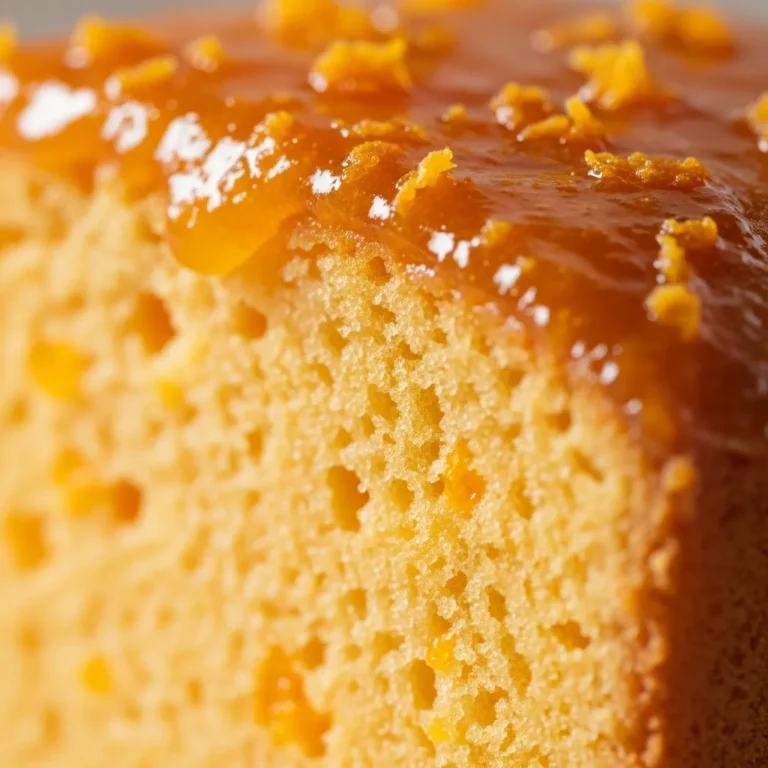

Orange Olive Oil Cake

Orange olive oil cake feels like that effortlessly elegant dessert that somehow works for both casual afternoons and slightly fancy moments. It tastes light yet rich, citrusy but smooth, and comforting without feeling heavy. I reach for this cake when I want something simple that still feels thoughtful and grown-up. Plus, olive oil gives it that soft texture that just refuses to dry out. This isn’t a sugar-bomb dessert or a frosting-heavy situation. It’s clean flavors, tender crumb, and a bright orange finish that lingers in the best way.
Why Olive Oil Works So Well in Cakes
Olive oil might sound unexpected in cake, but it honestly shines here. It creates a moist, tender crumb that stays soft for days instead of firming up overnight. Ever noticed how some cakes dry out way too fast? Unlike butter, olive oil stays liquid at room temperature. That one detail makes a huge difference in texture. The result feels plush, smooth, and never greasy when you use a good-quality oil.
The Orange and Olive Oil Combo
Orange and olive oil work together better than people expect. The citrus cuts through the richness of the oil, while the oil rounds out the sharpness of the orange. That balance keeps the flavor from tipping too sweet or too bitter. Fresh orange juice adds moisture and brightness. Orange zest brings the aroma that makes the cake smell incredible before you even taste it. Together, they create a flavor that feels Mediterranean and comforting at the same time.
Choosing the Right Olive Oil
Not all olive oils behave the same in baking. Mild extra virgin olive oil works best for this cake. You want something fruity and smooth, not peppery or bitter. If the olive oil tastes good on its own, it will taste good in the cake. Strong oils can overpower the orange flavor, so subtlety matters here.
Simple Ingredients That Do Their Job

This cake doesn’t need complicated ingredients or fancy extras. Each one plays a clear role, which makes the recipe feel reliable and approachable. Simple ingredients, well-balanced results. Key ingredients include:
- Olive oil for moisture and tenderness
- Fresh orange juice for brightness
- Orange zest for aroma
- Eggs for structure
- Flour and baking powder for lift
How to Mix the Batter Properly
This cake comes together easily with just a bowl and whisk. You’ll start by mixing the wet ingredients until smooth, then gently incorporate the dry ingredients. The batter should look glossy and pourable. Stop mixing as soon as everything combines. Overmixing tightens the crumb quickly, and olive oil cakes really reward a light hand.
Best Pan Options for This Cake
Orange olive oil cake works beautifully in a loaf pan, round pan, or even a square pan. I like a round pan when serving guests because it looks clean and classic. A loaf pan works great for everyday slicing. Just keep pan depth in mind. Thicker cakes need a little more oven time to bake evenly through the center.
How to Tell When It’s Perfectly Baked
You’ll know the cake is ready when the top turns lightly golden and springs back when gently pressed. The edges will pull slightly away from the pan. A toothpick should come out with a few moist crumbs. Don’t wait for complete dryness. Slight moisture means a softer cake after cooling.
To Glaze or Not to Glaze
This cake tastes amazing on its own, but a light glaze adds polish. A simple orange glaze made with powdered sugar and fresh juice enhances flavor without overpowering it. It also gives the cake a soft sheen that looks bakery-worthy. If you want to keep things minimal, a dusting of powdered sugar works just as well. Both options let the orange shine.
Texture and Flavor Expectations

Expect a soft, tender crumb with a slightly dense but plush feel. Olive oil gives the cake a smooth texture that feels almost velvety. The orange flavor tastes fresh and natural, never artificial. The cake slices cleanly and holds together beautifully. It feels satisfying without being heavy.
Common Mistakes to Avoid
Using overly strong olive oil can overpower the cake. Stick to mild oils for balance. Overmixing is another common issue that leads to a tight texture. Skipping zest is also a mistake. Juice adds moisture, but zest delivers the real orange aroma that makes this cake special.
How to Store Orange Olive Oil Cake
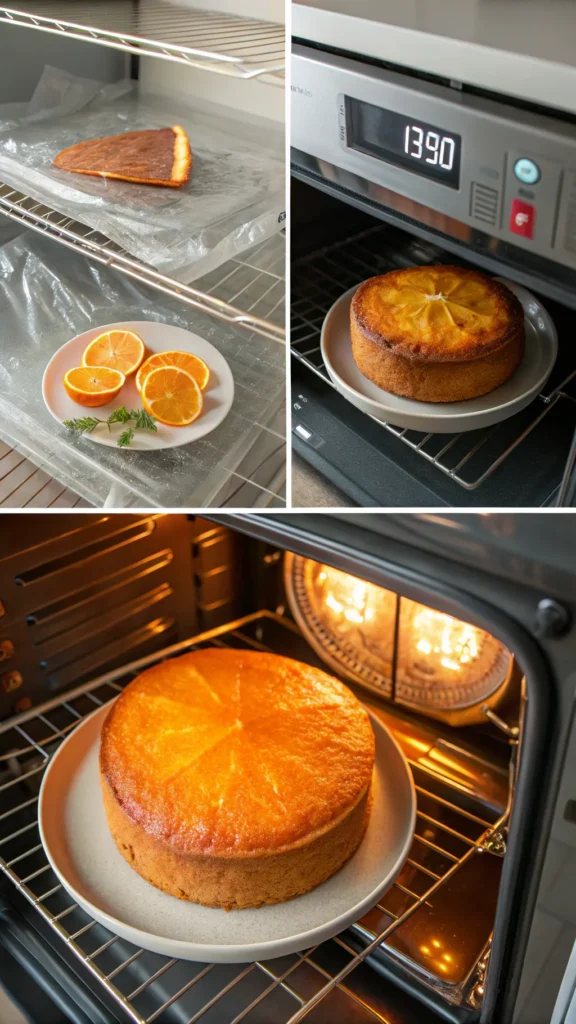
Once cooled, wrap the cake tightly or store it in an airtight container. It stays fresh at room temperature for up to three days. The flavor actually improves after the first day. For longer storage, refrigerate it for up to five days. Let slices come to room temperature before serving for the best texture.
Freezing for Later
This cake freezes very well. Wrap it tightly in plastic wrap and foil, either whole or in slices. Freeze for up to two months without losing moisture. Thaw at room temperature and avoid microwaving if possible. Slow thawing keeps the crumb soft and smooth.
Easy Variations to Try
You can add sliced almonds on top for texture or swap a small portion of the orange juice with lemon for extra brightness. A pinch of cardamom or vanilla also works beautifully. Keep additions light so the olive oil and orange remain the stars.
Serving Ideas That Feel Right
Serve this cake with coffee, tea, or a spoonful of yogurt on the side. It works for breakfast, dessert, or an afternoon snack. That flexibility makes it especially useful. It feels homemade, comforting, and quietly elegant all at once.
Conclusion
Orange olive oil cake proves that simple ingredients can create something truly special. The olive oil keeps the cake tender and moist, while fresh orange juice and zest add brightness and aroma. It’s easy to make, forgiving, and consistently delicious. Whether you serve it plain or lightly glazed, this cake delivers flavor, texture, and comfort without fuss. It’s the kind of recipe you keep baking because it never disappoints.