Fresh Orange Sponge Cake Recipe
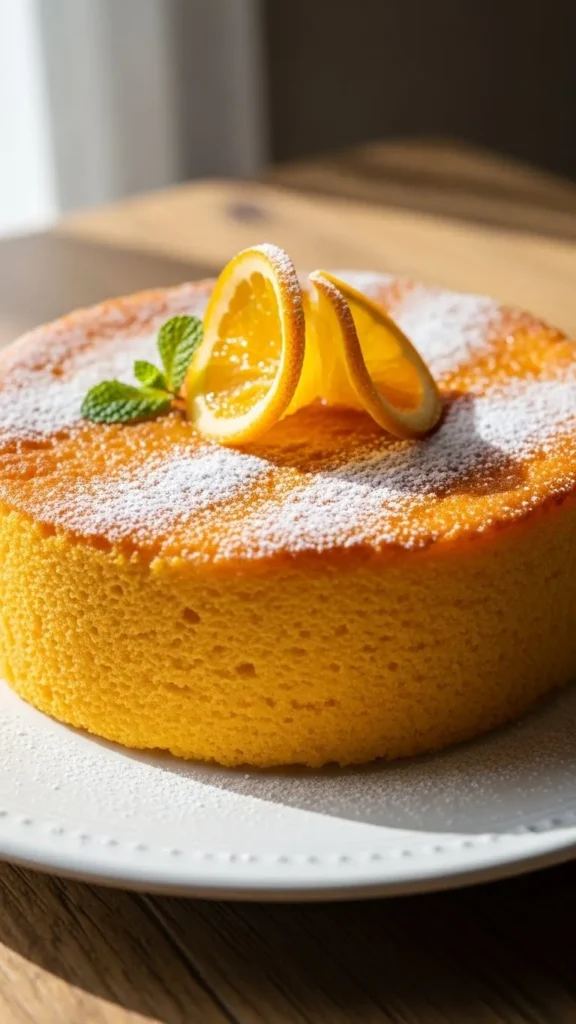
Orange sponge cake feels light, cheerful, and endlessly versatile. It’s the kind of cake that looks simple on the outside but delivers big on flavor once you take a bite. The airy sponge paired with fresh orange notes makes it perfect for layering, glazing, or enjoying completely plain. I usually bake this when I want something soft and uplifting without feeling heavy afterward. This cake focuses on balance. The sponge stays fluffy, the orange keeps things fresh, and together they create a dessert that feels timeless and dependable.
What Defines a True Sponge Cake
A sponge cake relies on air rather than fat for structure. Eggs play the starring role here, trapping air during mixing and giving the cake its signature lightness. Ever notice how sponge cakes feel almost weightless compared to butter cakes? In an orange sponge cake, this airy structure lets the citrus flavor shine without weighing anything down.
The Flavor Profile of Orange Sponge Cake
Orange sponge cake tastes clean, fresh, and lightly sweet. The orange flavor feels gentle rather than intense, which keeps the cake refreshing. It never feels overpowering or sharp. The mild sweetness allows the citrus aroma to stand out. This makes it ideal for layering with cream or pairing with fruit.
Texture You Should Expect
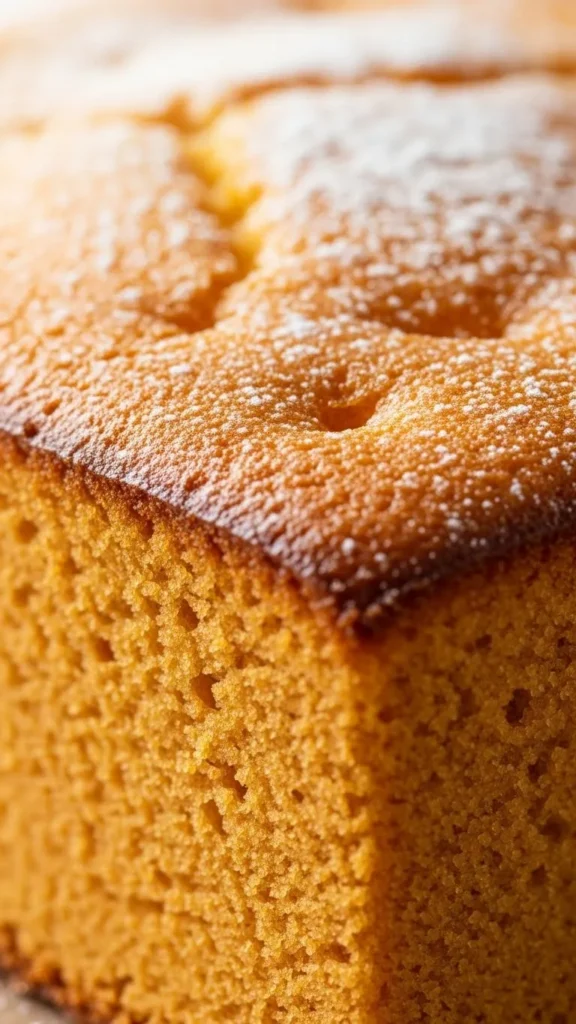
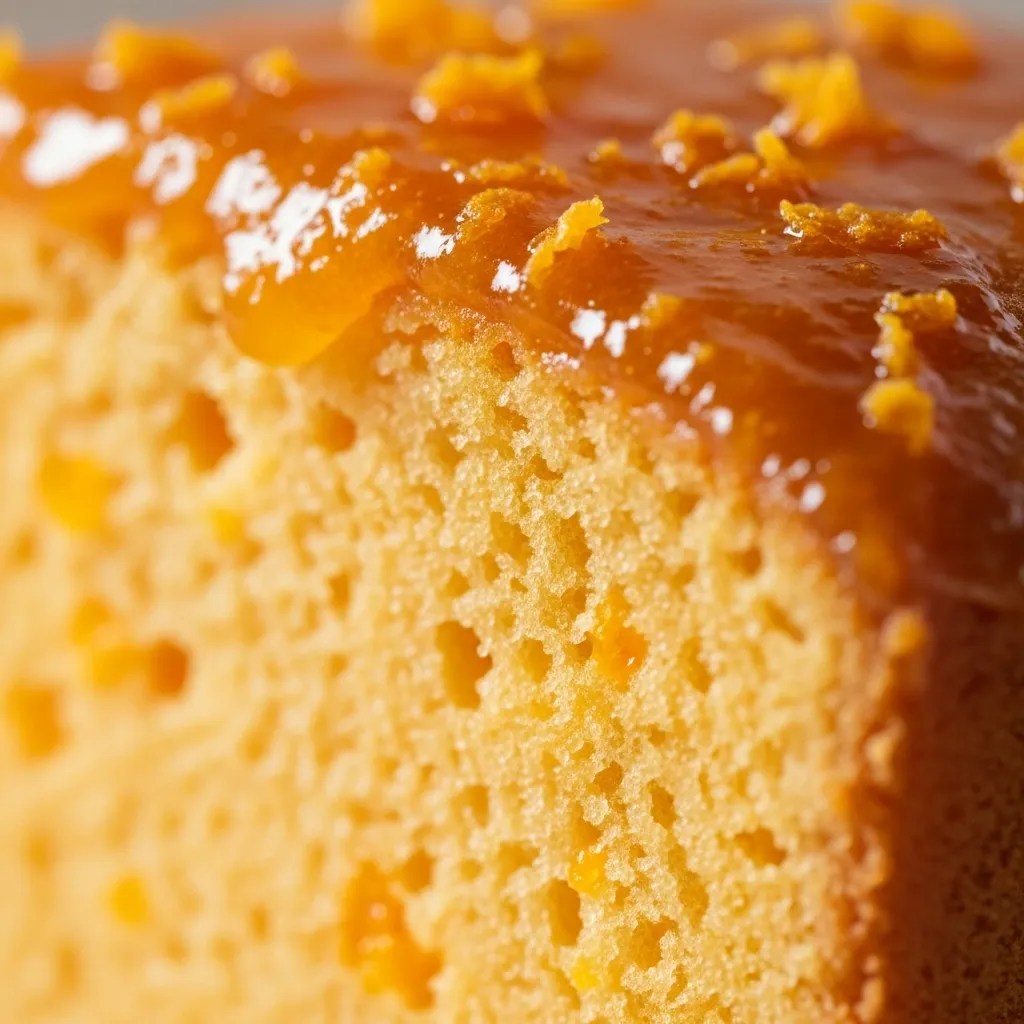
The texture should feel soft, springy, and light. When you press the cake gently, it should bounce back immediately. The crumb stays even and fine, without large holes. If baked correctly, the sponge feels moist without being dense. That balance makes it incredibly satisfying.
Why Fresh Orange Flavor Matters
Fresh orange juice adds subtle citrus notes and moisture. Orange zest enhances aroma and depth, which gives the cake its signature brightness. Without zest, the flavor feels incomplete. Using fresh oranges makes the cake smell amazing as it bakes. That aroma alone feels worth the effort.
Minimal Ingredients, Maximum Impact
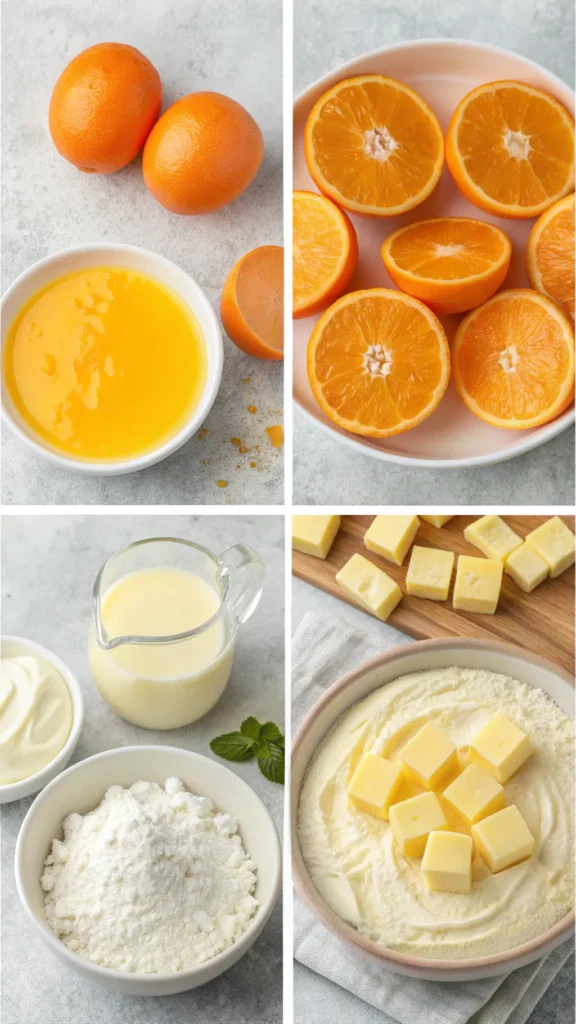
Orange sponge cake uses fewer ingredients than many other cakes. Precision matters more than quantity here. Every ingredient has a clear purpose, and none are extra. Key ingredients include:
- Eggs for structure and lift
- Sugar for sweetness and stability
- Flour for shape
- Orange juice and zest for flavor
Instructions: How to Make
Mixing Techniques That Matter
Beating eggs and sugar properly creates the foundation of the sponge. The mixture should look pale, thick, and airy. Folding in flour gently preserves the trapped air. Rough mixing deflates the batter quickly. Gentle folding keeps the cake light and fluffy.
Choosing the Right Pan
Round pans work best for sponge cakes, especially when layering. Unlined pans help the cake cling slightly to the sides as it rises. This supports the structure during baking. Greasing only the base often works better than greasing the sides fully.
Baking Temperature and Timing
Moderate heat allows the sponge to rise evenly without collapsing. High heat sets the outside too fast, while low heat causes sinking. Watching visual cues matters more than the clock. The cake should pull slightly from the sides when done.
How to Tell When the Sponge Is Ready
The top should look lightly golden and feel springy. A toothpick inserted into the center should come out clean. The cake should not jiggle when gently shaken. Removing it too early causes collapse, so patience helps here.
Cooling the Cake Properly
Cooling the sponge upside down helps prevent shrinking. Many bakers cool it on a rack or invert the pan slightly. This step preserves height and structure. Once fully cooled, the cake becomes easier to slice and decorate.
Common Mistakes to Avoid
Underwhipping eggs results in flat texture. Overmixing deflates the batter. Skipping zest weakens orange flavor significantly. Paying attention to these small steps makes a big difference.
Storage and Freshness
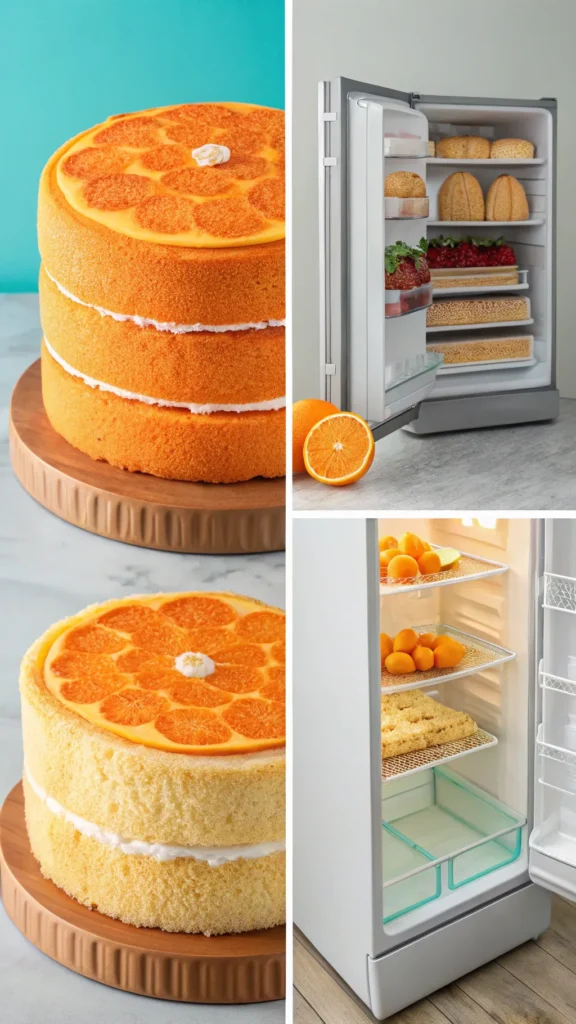
Store orange sponge cake in an airtight container at room temperature for up to two days. Refrigeration can dry it out if left uncovered. Light syrup brushing helps retain moisture. The cake stays soft and pleasant when stored properly.
Freezing Tips
Wrap the cooled sponge tightly and freeze for up to one month. Thaw at room temperature before filling or glazing. Freezing works best before adding creams or toppings. This makes it a great make-ahead option.
Best Ways to Serve Orange Sponge Cake
Serve it plain, dusted with powdered sugar, or layered with cream and fruit. It works beautifully as a base for celebration cakes. The light texture pairs well with richer fillings. It adapts easily to different occasions and styles.
Conclusion
Orange sponge cake delivers lightness, freshness, and versatility in every slice. The airy texture highlights the citrus flavor without feeling heavy or sweet. It’s simple, reliable, and endlessly adaptable. If you enjoy cakes that feel delicate yet satisfying, orange sponge cake deserves a spot in your baking favorites.