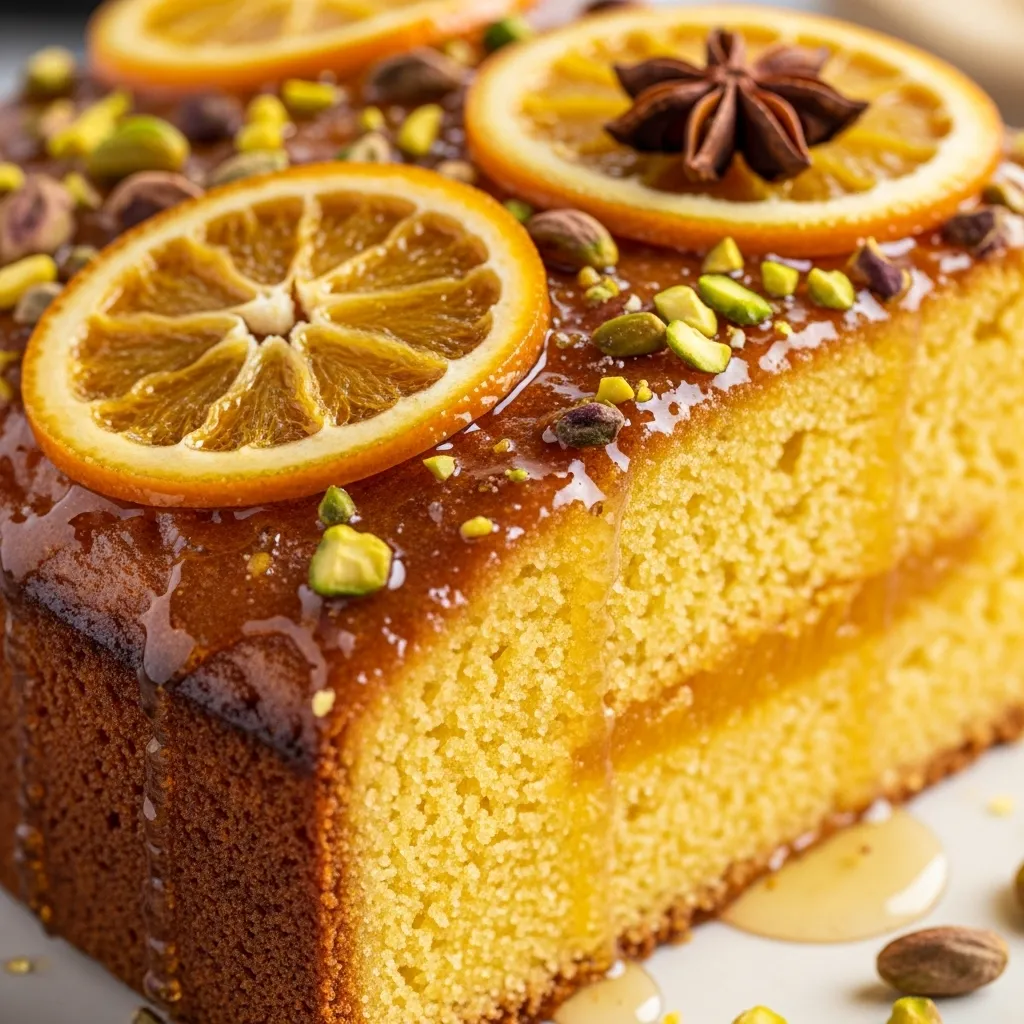
Orange Semolina Cake
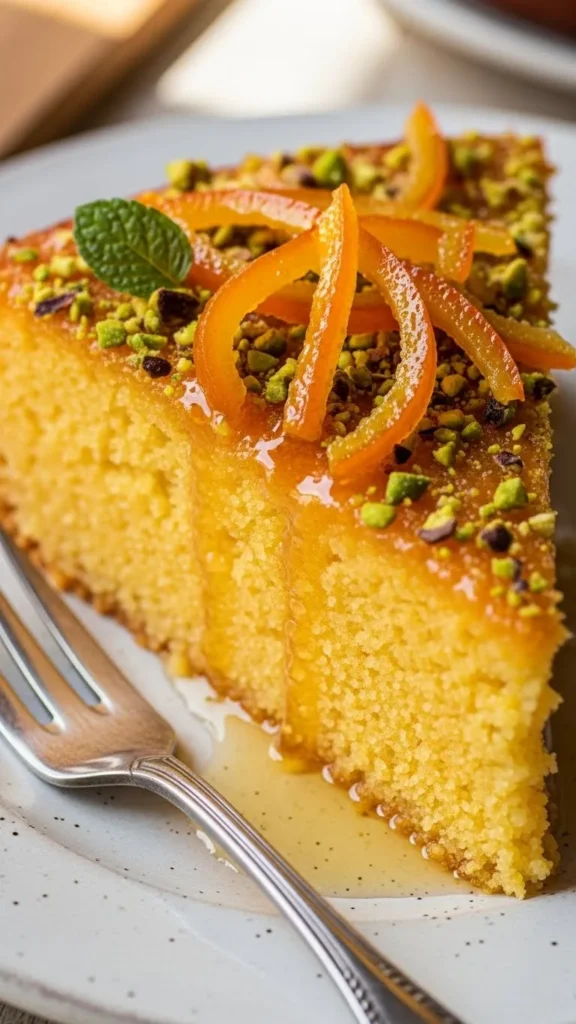
Orange semolina cake feels like one of those desserts that quietly wins everyone over. It doesn’t rely on fancy frosting or dramatic layers, but once you taste it, you get why people keep coming back for another slice. The orange brings brightness, the semolina adds texture, and together they create a cake that feels comforting, aromatic, and deeply satisfying. I usually bake this when I want something different from the usual soft sponge but still crave that homemade warmth. This cake has personality. It’s not fluffy in the classic sense, but it’s rich, moist, and full of character in a way that regular cakes sometimes lack.
What Makes Semolina Cake Different
Semolina changes the entire feel of a cake. Instead of a light, airy crumb, you get a slightly coarse yet tender texture that feels hearty and comforting. Ever notice how semolina desserts always feel more filling and satisfying? In this cake, semolina absorbs the orange syrup or moisture beautifully. That’s what gives it structure while keeping it soft and moist at the same time.
The Flavor Profile You Can Expect
Orange semolina cake tastes bright, warm, and lightly sweet. The orange flavor feels fresh rather than sharp, and it blends smoothly with the nutty, wheat-like taste of semolina. Nothing tastes overpowering or cloying. Each bite feels balanced. The citrus lifts the flavor, while the semolina grounds it and adds depth.
Texture That Sets This Cake Apart
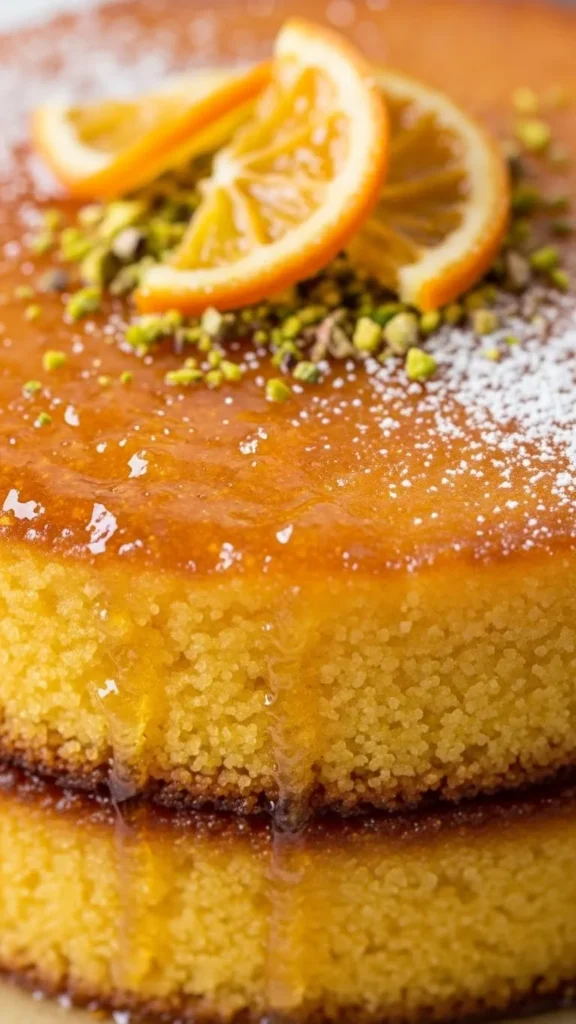
This cake doesn’t melt instantly like sponge cake, and that’s the point. The crumb feels moist, dense, and slightly grainy in the most pleasant way. Semolina gives it a bite that feels almost pudding-like once soaked. If you enjoy cakes with substance and structure, this texture feels incredibly satisfying.
Why Orange Works So Well Here
Orange pairs beautifully with semolina because it cuts through the richness. The acidity keeps the cake from tasting heavy or dull. Orange zest adds aroma, while orange juice provides moisture and flavor. Without citrus, semolina cakes can feel flat. Orange brings them to life.
The Role of Syrup in Orange Semolina Cake
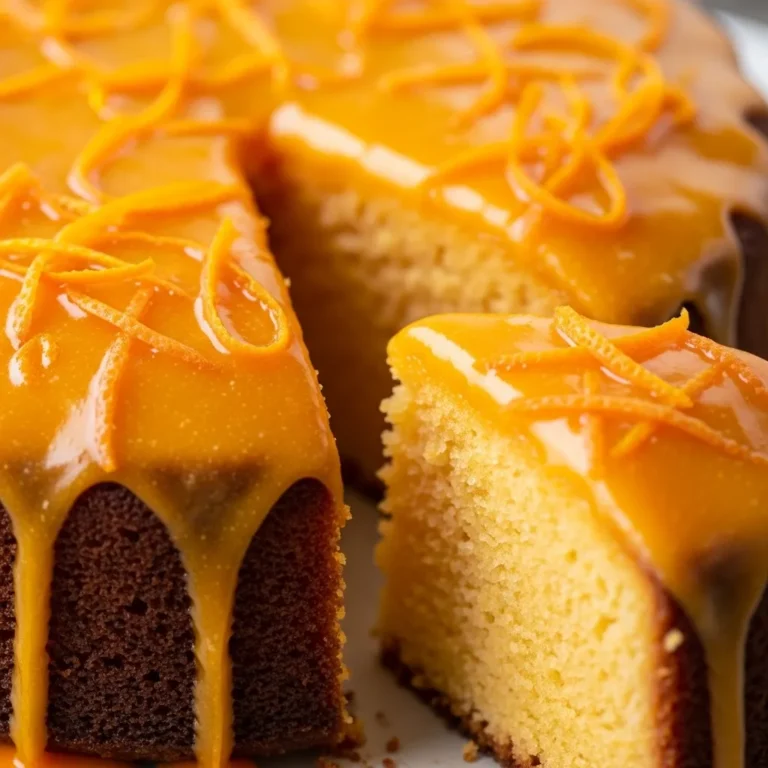
Many orange semolina cakes include a light syrup poured over the cake after baking. This step transforms the texture completely. The syrup seeps into the crumb and keeps the cake moist for days. The cake absorbs syrup slowly, which prevents sogginess. Instead, it becomes soft, fragrant, and evenly sweet throughout.
Simple Ingredients, Bold Results
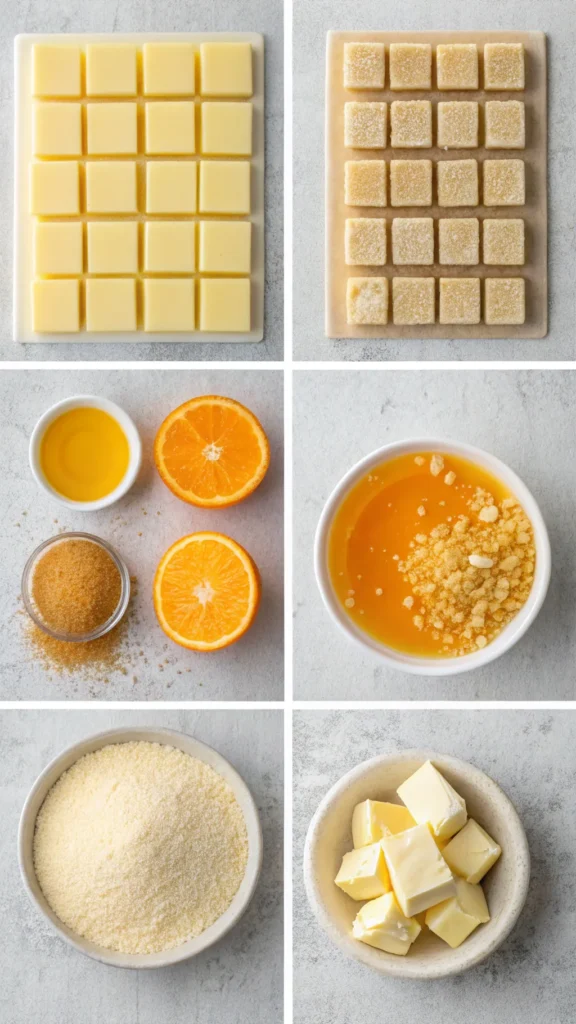
This cake uses pantry staples, but the combination feels intentional and comforting. Each ingredient plays a clear role in texture or flavor. Nothing feels extra, and everything works together. Key ingredients include:
- Semolina for structure and texture
- Fresh orange juice and zest for flavor
- Sugar for sweetness and syrup
- Oil or butter for richness
- Yogurt or milk for moisture
Instructions: How to Make
Mixing the Batter Properly
Semolina batter looks different from regular cake batter. It often starts thicker and loosens slightly as the semolina hydrates. Mixing should feel gentle and unhurried. Once combined, letting the batter rest for a short time helps the semolina absorb moisture. This step improves texture and prevents dryness.
Choosing the Right Pan
Orange semolina cake works well in square or round pans. A shallow pan helps the cake soak syrup evenly. Deeper pans work too, but they may need extra time for proper absorption. Greasing the pan well matters here, since semolina cakes tend to stick more than sponge cakes.
How to Know When the Cake Is Baked
The top should turn lightly golden and feel firm to the touch. The edges will pull slightly away from the pan. A toothpick should come out mostly clean, with no wet batter. Remember, the cake continues to soften after syrup is added. Don’t overbake trying to make it extra dry.
Adding the Orange Syrup Correctly
Pour syrup over the cake while it’s still warm. This timing helps absorption without breaking the structure. Use a spoon or ladle and pour slowly to avoid pooling. The cake should look glossy and moist, not flooded. Patience pays off here.
Aroma and Taste After Cooling
Once cooled, the cake smells intensely of orange. The flavor settles and deepens as it rests. This is one of those cakes that tastes even better the next day. The semolina softens further, and the citrus becomes more rounded and mellow.
Common Mistakes to Avoid
Skipping the resting time can lead to gritty texture. Overbaking dries out the crumb before syrup has a chance to help. Pouring syrup onto a cold cake also reduces absorption. Taking your time with these steps makes a noticeable difference.
Storage and Freshness
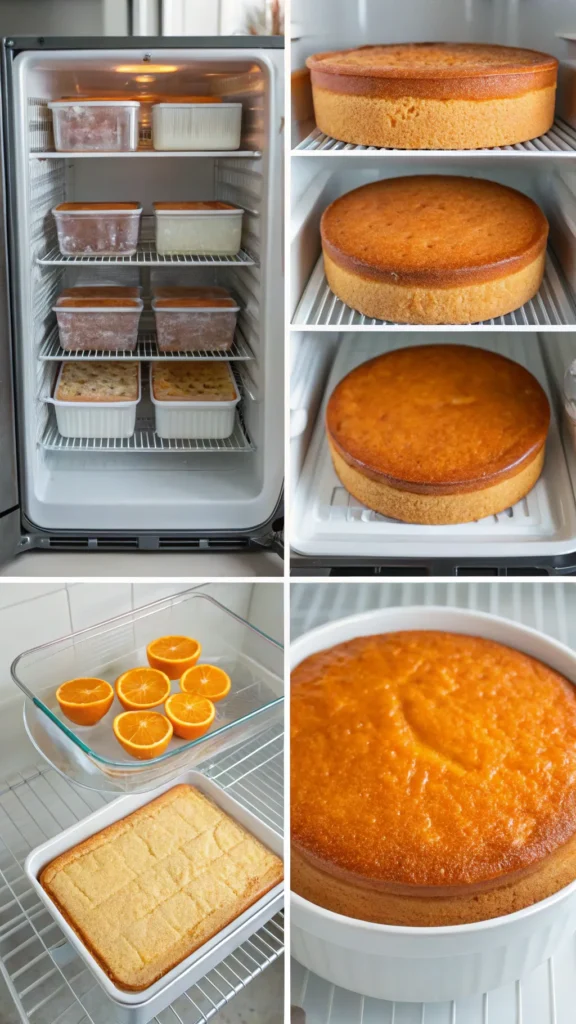
Store orange semolina cake in an airtight container at room temperature for up to three days. Thanks to the syrup, it stays moist longer than most cakes. Refrigeration works too but isn’t always necessary. Let refrigerated slices come to room temperature before serving. The texture improves as it warms.
Freezing Tips
You can freeze the cake, preferably without syrup. Wrap it tightly and freeze for up to two months. Thaw completely, then add fresh syrup for best texture. Freezing with syrup works, but texture may soften more than intended.
Simple Variations to Try
You can add a hint of cardamom or cinnamon for warmth. Swapping part of the orange juice with lemon adds sharper citrus notes. Chopped nuts on top add crunch without overpowering the cake. Keep variations subtle so the semolina texture stays the star.
Serving Suggestions
Serve orange semolina cake plain or with a dollop of yogurt or cream. It pairs beautifully with tea or coffee. It works just as well for casual snacking as it does for dessert. It’s one of those cakes that feels comforting in every setting.
Conclusion
Orange semolina cake offers texture, flavor, and comfort all in one slice. The citrus keeps it fresh, the semolina adds substance, and the syrup ties everything together beautifully. It’s simple, timeless, and incredibly satisfying. If you enjoy cakes with character and warmth, this one deserves a permanent place in your baking rotation.