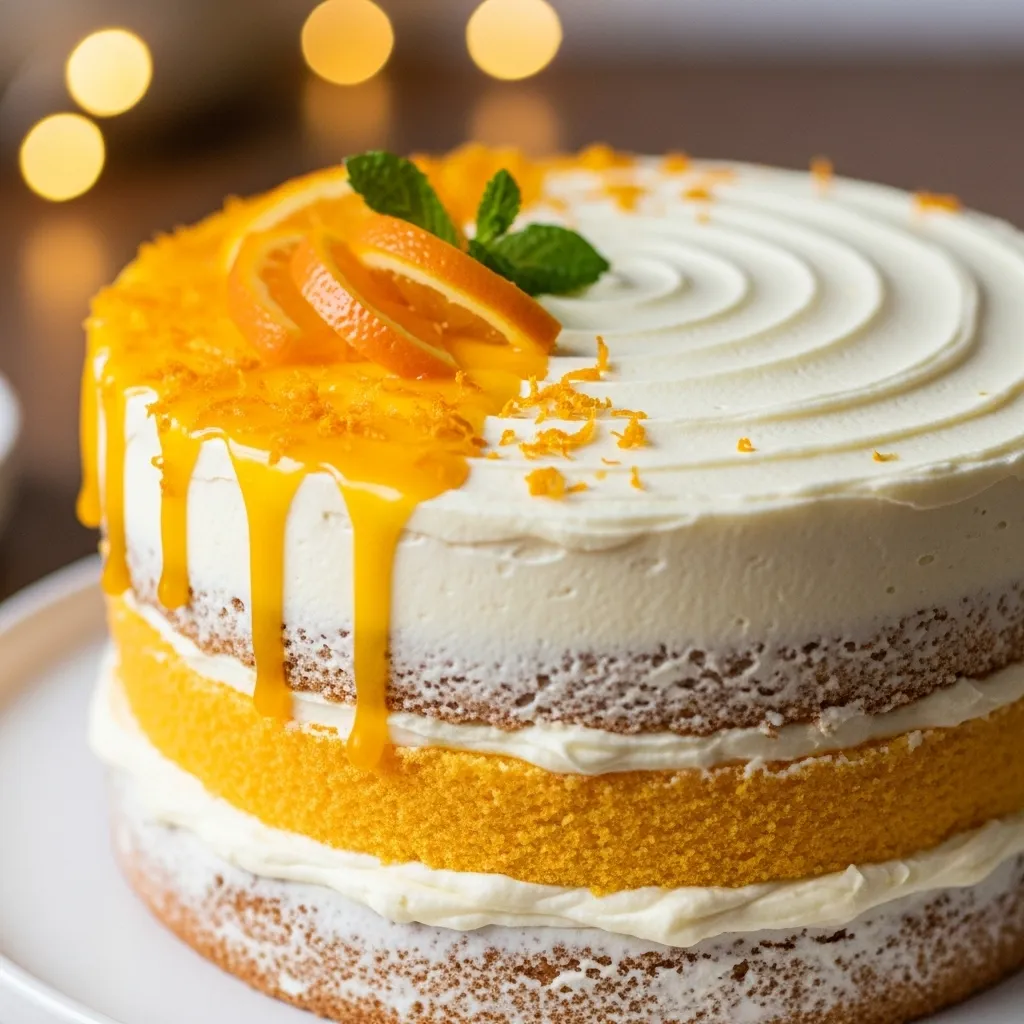
Soft & Fluffy Orange Vanilla Sponge Cake at Home
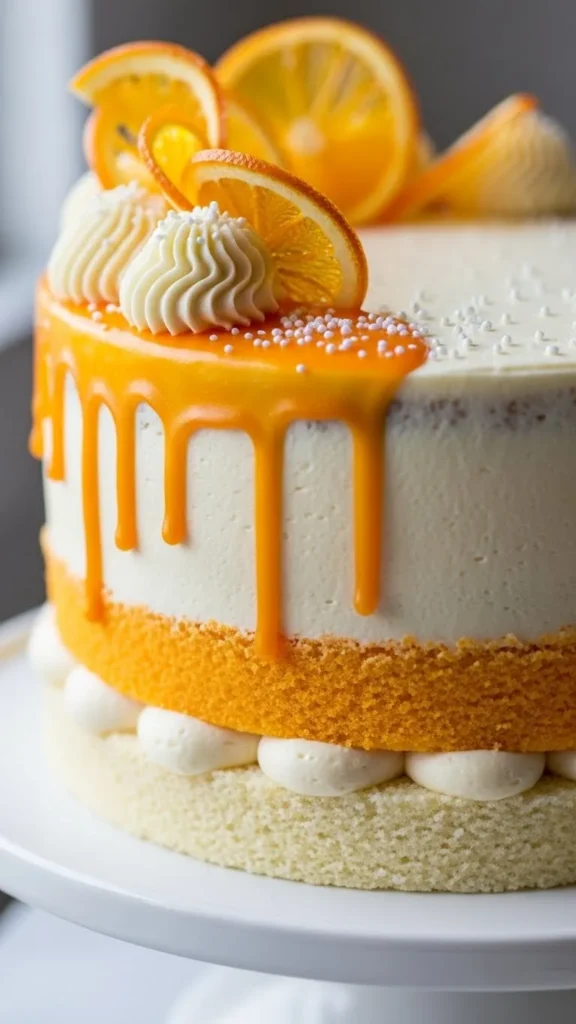
Orange vanilla cake feels like comfort food with a little glow-up. It blends bright citrus with soft, warm vanilla in a way that feels familiar but never boring. I bake this cake when I want something easygoing yet special, the kind of dessert that works just as well with afternoon tea as it does after dinner. One bite in, and you get why this combo never goes out of style. This cake keeps things balanced. The orange adds freshness, the vanilla smooths everything out, and together they create a flavor that feels cozy without turning heavy.
Why Orange and Vanilla Work So Well Together
Orange brings brightness and a gentle tang that wakes up the palate. Vanilla steps in with warmth and softness that rounds out the citrus edge. Ever notice how vanilla makes almost everything taste better? Together, they create a flavor that feels layered but simple. Nothing fights for attention, and every bite tastes calm, smooth, and inviting.
The Texture You Should Expect
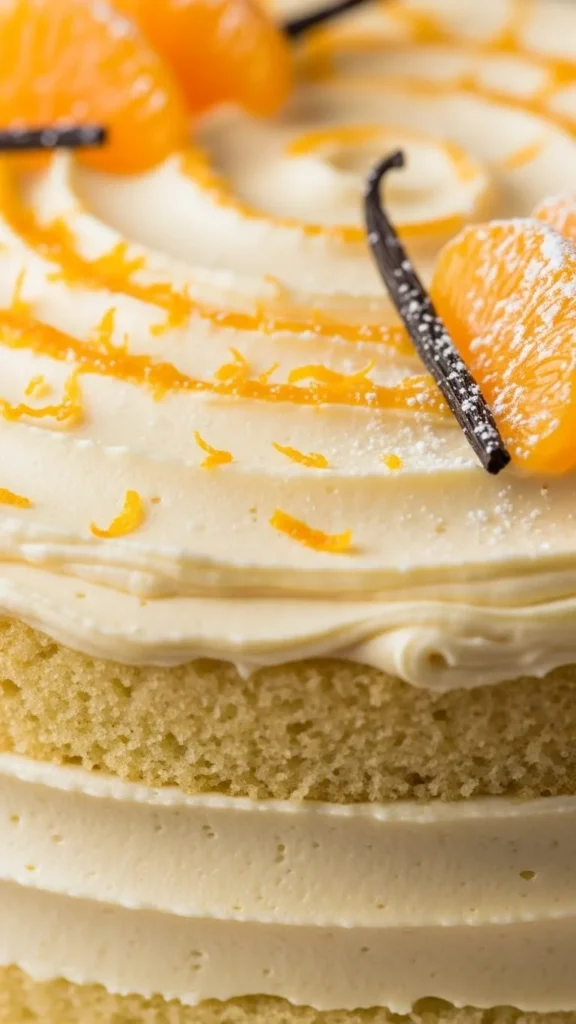
Orange vanilla cake should feel soft, tender, and lightly moist. It shouldn’t crumble too easily, but it also shouldn’t feel dense. The goal is a crumb that melts in your mouth without feeling greasy. Oil or butter helps keep the cake tender, while orange juice adds moisture without weighing it down. The vanilla quietly supports the texture by enhancing the overall richness.
Fresh Orange Flavor Makes a Difference
Fresh orange juice gives the cake a clean citrus taste that bottled juice just can’t match. Orange zest adds aroma, which is where most of the orange flavor actually lives. Skipping zest makes the cake taste flat, even if the juice is there. I always zest the oranges first, then juice them. It saves time and keeps the flavor bright.
Vanilla’s Role in the Flavor Balance
Vanilla doesn’t try to steal the spotlight here. It smooths out the sharp edges of the orange and adds warmth to the crumb. Good-quality vanilla extract makes a noticeable difference. This is one of those cakes where subtle flavors matter. Vanilla keeps the citrus from tasting harsh and makes the cake feel complete.
Simple Ingredients, Strong Results
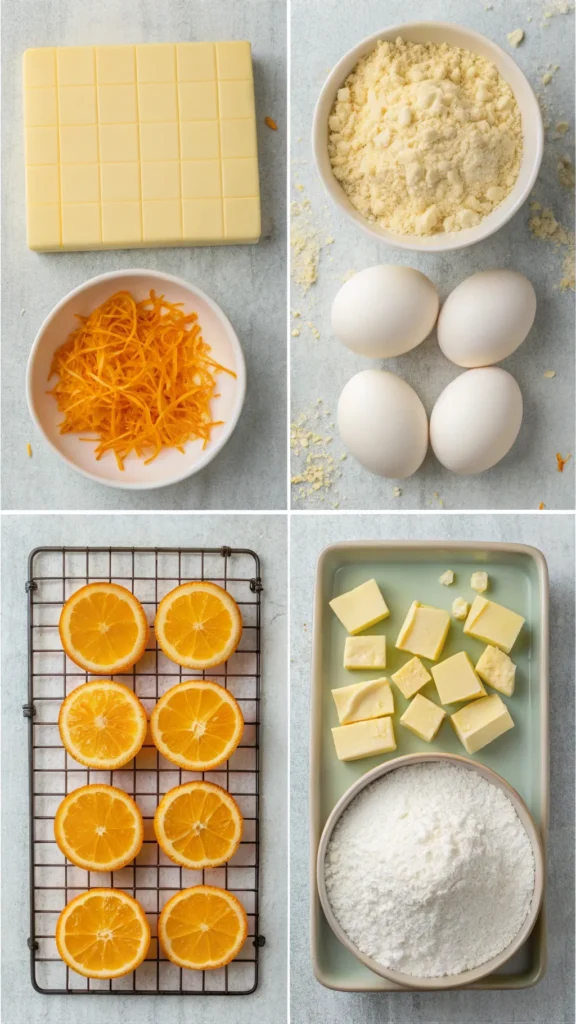
Orange vanilla cake doesn’t rely on anything fancy. The ingredients are basic, but the balance matters more than anything else. Each ingredient plays a role, and none feel extra. Key ingredients include:
- Fresh orange juice and zest for brightness
- Vanilla extract for warmth
- Eggs for structure
- Oil or butter for tenderness
- Flour and sugar for balance
Mixing the Batter Without Overthinking It
This batter comes together easily with a bowl and whisk. Start with wet ingredients, mix until smooth, then gently fold in the dry ingredients. The batter should look silky and pourable. Stop mixing as soon as the flour disappears. Overmixing tightens the crumb fast, and this cake really rewards a gentle touch.
Best Pan Options for This Cake
You can bake this cake in a round pan, loaf pan, or square pan. A loaf pan makes it feel casual and perfect for slicing. Round pans work well if you plan to frost or glaze. Just remember that deeper pans need longer baking times. Always trust visual cues over the clock.
Knowing When the Cake Is Fully Baked
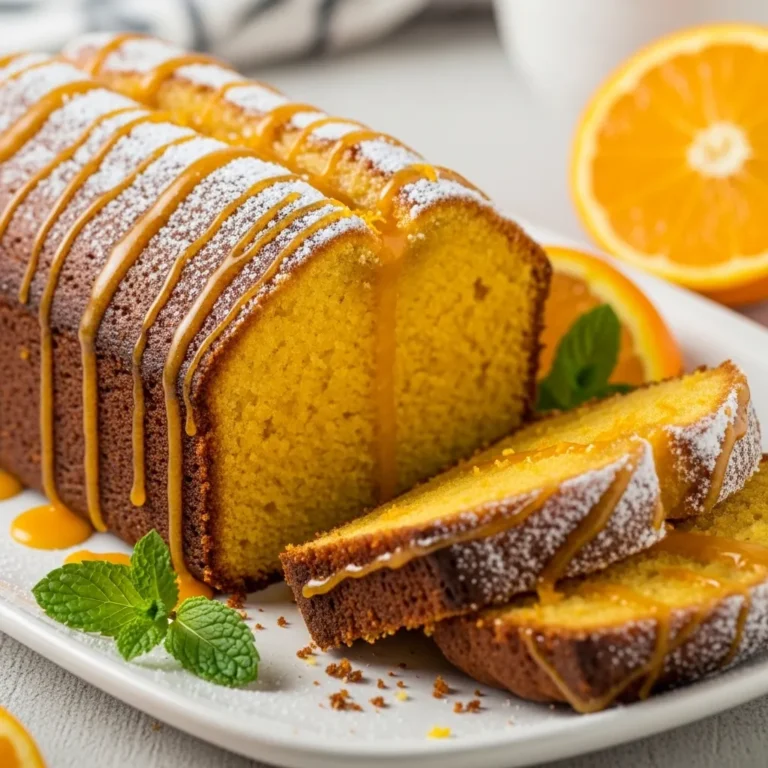
The top should look lightly golden and spring back when gently pressed. The edges will pull slightly away from the pan. A toothpick should come out with a few moist crumbs, not wet batter. Pulling the cake out too late dries it out. Slight moisture means softness after cooling.
Glaze or Frosting Options
A simple orange glaze adds shine and extra citrus flavor. Vanilla glaze keeps things mellow and sweet. If you want something richer, a light vanilla buttercream or cream cheese frosting works well. Keep toppings light so the orange and vanilla flavors stay balanced. This cake shines best when it doesn’t feel overloaded.
Flavor and Aroma Expectations
Expect a fresh citrus aroma with a soft vanilla finish. The flavor tastes clean, smooth, and comforting. Nothing feels sharp or overly sweet. It’s the kind of cake that feels familiar in the best way, like something you’ve loved forever.
Common Mistakes to Avoid
Using bottled juice instead of fresh can dull the flavor. Skipping zest is another common issue that weakens the orange taste. Overmixing also causes dense texture, which takes away from the cake’s softness. Measure flour carefully and mix gently for best results.
Storage Tips for Best Freshness
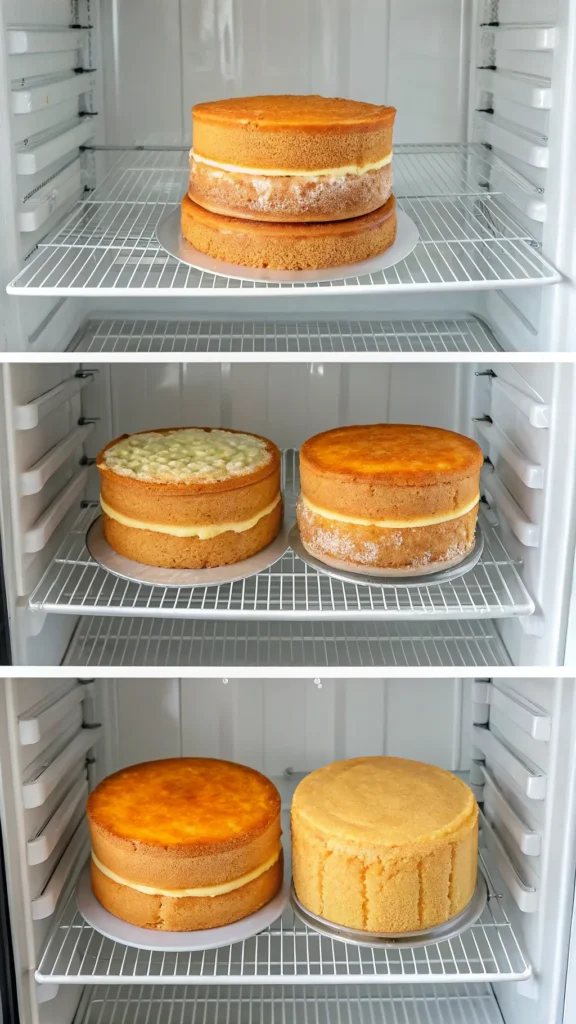
Store the cake in an airtight container at room temperature for up to two days. If glazed or lightly frosted, refrigeration helps extend freshness. The cake stays moist and flavorful even after a day. Let refrigerated slices sit at room temperature before serving. The texture improves as it warms slightly.
Freezing Instructions
Unfrosted orange vanilla cake freezes well. Wrap it tightly and freeze for up to two months. Thaw at room temperature before glazing or frosting. Freezing before decorating gives the best texture after thawing.
Easy Variations to Try
You can add a pinch of cardamom for warmth or swap some orange juice for mandarin juice for a softer citrus note. A thin vanilla glaze over the top adds sweetness without overpowering the cake. Small tweaks keep things interesting without changing the soul of the recipe.
Conclusion
Orange vanilla cake brings brightness and comfort together in the easiest way possible. The citrus lifts the flavor, the vanilla softens it, and the texture stays tender and satisfying. It’s simple, reliable, and endlessly enjoyable. If you love cakes that feel homemade, balanced, and quietly impressive, this one deserves a permanent spot in your baking rotation.