Easy Homemade Chocolate Ice Creame – Summer Dessert
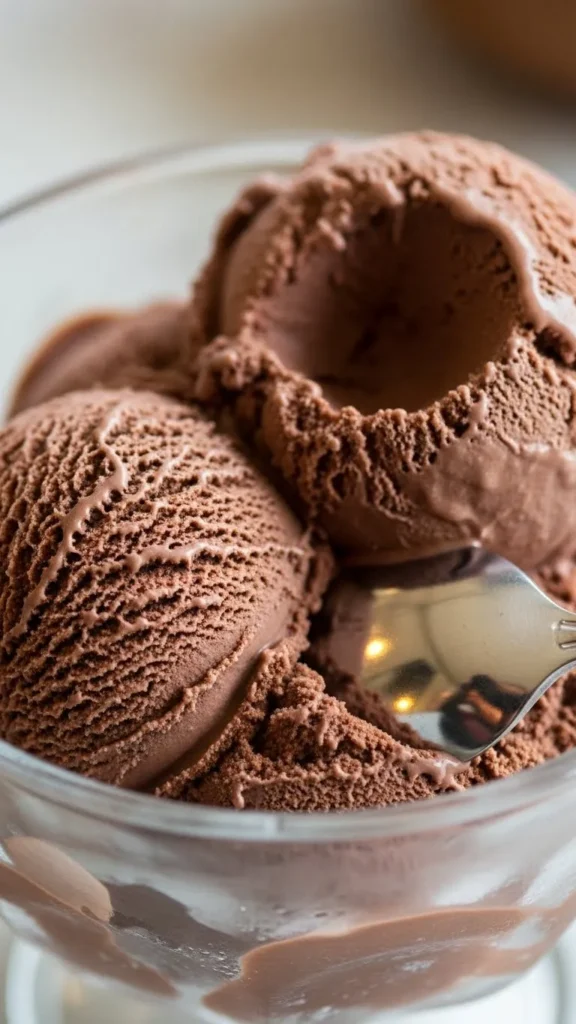
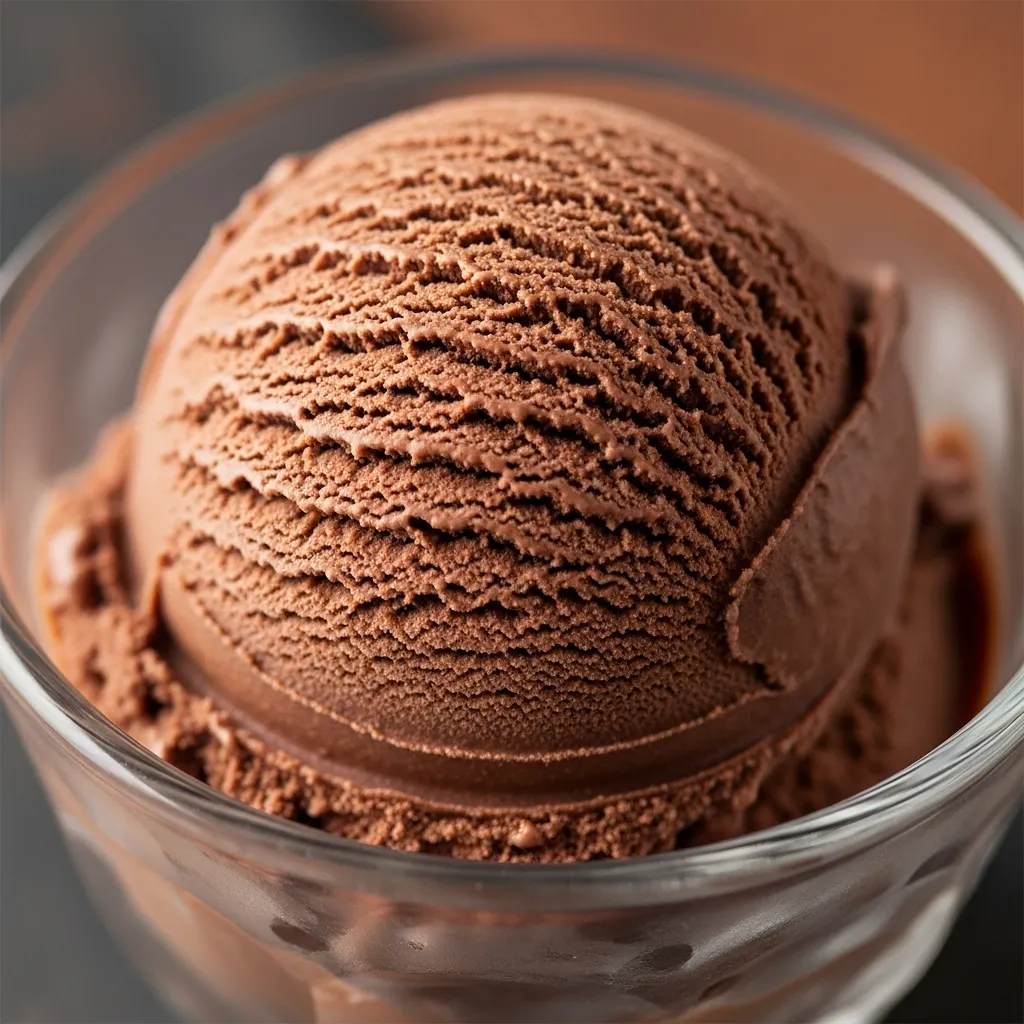
Chocolate ice cream is comfort food pretending to be fancy. It’s cold, creamy, deeply chocolatey, and somehow fixes bad moods faster than logic ever could. I make chocolate ice cream when I want a dessert that feels nostalgic but still delivers grown-up flavor. Ever noticed how one scoop can instantly take you back to childhood and still feel exciting now? The first time I made chocolate ice cream at home, I expected it to taste “okay.” Instead, it ruined store-bought versions for me forever. Once you control the chocolate, sweetness, and texture, there’s no going back.
Why Chocolate Ice Cream Never Gets Old
Chocolate ice cream sticks around because it gets the basics right. It’s rich without being overwhelming and sweet without masking the chocolate. That balance keeps it timeless. I also love how versatile it is. Eat it alone, pair it with cake, or sandwich it between cookies. Chocolate ice cream always shows up ready.
What Makes It So Popular
- Deep chocolate flavor satisfies instantly
- Creamy texture feels indulgent
- Cold temperature enhances richness
- Simple ingredients create big payoff
Ingredients You’ll Need
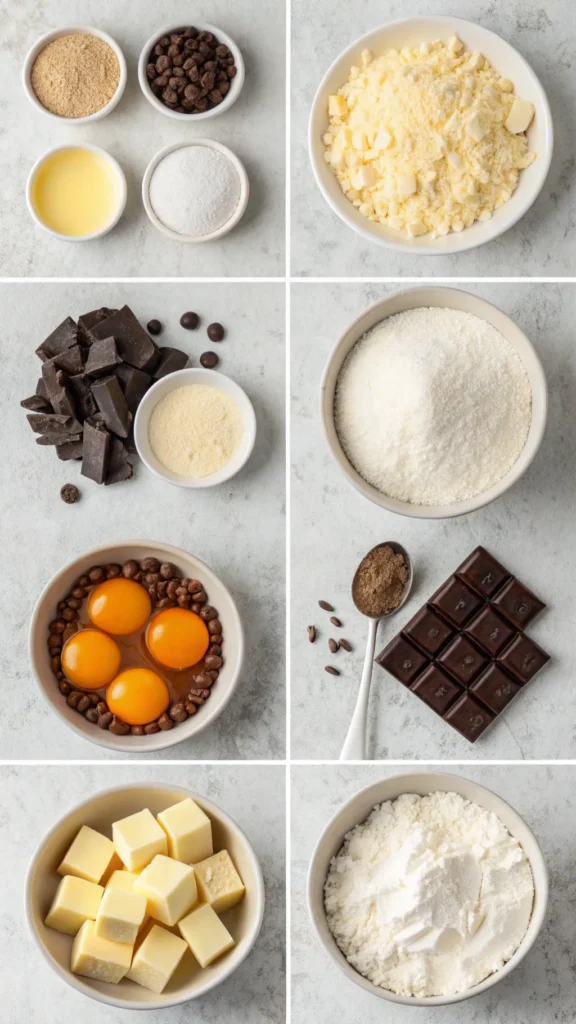
Chocolate ice cream rewards good ingredients. Shortcuts show immediately, especially with chocolate. I learned that lesson fast. Fat and balance matter here.
Base Ingredient
- Heavy cream
- Whole milk
- Granulated sugar
- Egg yolks
- Pinch of salt
Chocolate Ingredients
- Unsweetened cocoa powder
- Dark chocolate, chopped
- Vanilla extract
Choosing the Right Chocolate
Chocolate defines the final flavor, so choose wisely. I prefer dark chocolate because it brings intensity without excess sweetness. Milk chocolate makes the ice cream taste softer and less bold. Ever had chocolate ice cream that tasted more like frozen sugar? That’s usually weak chocolate talking.
Chocolate Rules I Follow
- Use 60–70% dark chocolate
- Avoid chocolate chips
- Taste before freezing
- Balance cocoa and real chocolate
Understanding the Ice Cream Base
Classic chocolate ice cream uses a custard base. Eggs add richness, while dairy builds creaminess. Heat thickens everything gently. Once I understood this, ice cream stopped feeling intimidating. Ever wondered why homemade ice cream tastes richer? Eggs and patience.
What the Base Does
- Creates smooth texture
- Prevents iciness
- Carries chocolate flavor
- Adds richness
Avoiding Grainy or Icy Texture
Texture separates good ice cream from forgettable ice cream. Grainy texture usually comes from overheating eggs or rushing chilling. Ice crystals form when the base freezes too slowly. I chill aggressively before churning. Cold base equals smoother ice cream.
Texture Tips That Matter
- Temper eggs slowly
- Cook on low heat
- Strain the custard
- Chill completely before churning
Churning Chocolate Ice Cream
Churning introduces air and controls freezing. I let the machine do its thing without rushing it. Underchurning leaves it icy, overchurning turns it dense. Ever watched ice cream thicken and felt oddly proud? Same.
Churning Basics
- Fully chilled base
- Cold ice cream maker bowl
- Steady churning
- Stop at soft-serve stage
No-Churn Chocolate Ice Cream Option
No-churn works when you want simplicity. It uses whipped cream and condensed milk instead of eggs. The texture isn’t identical, but it’s still delicious. I use no-churn when I want speed over tradition. No shame there.
No-Churn Essentials
- Heavy whipping cream
- Sweetened condensed milk
- Cocoa powder
- Melted chocolate
Flavor Balance: Sweetness vs Chocolate
Chocolate ice cream should taste chocolate-forward, not sugary. I always taste the base before freezing. Cold dulls sweetness, so balance early. Ever frozen ice cream that tasted perfect warm but bland cold? That’s why tasting matters.
How I Balance Flavor
- Strong chocolate
- Moderate sugar
- Pinch of salt
- Vanilla for warmth
Texture: What Perfect Chocolate Ice Cream Feels Like
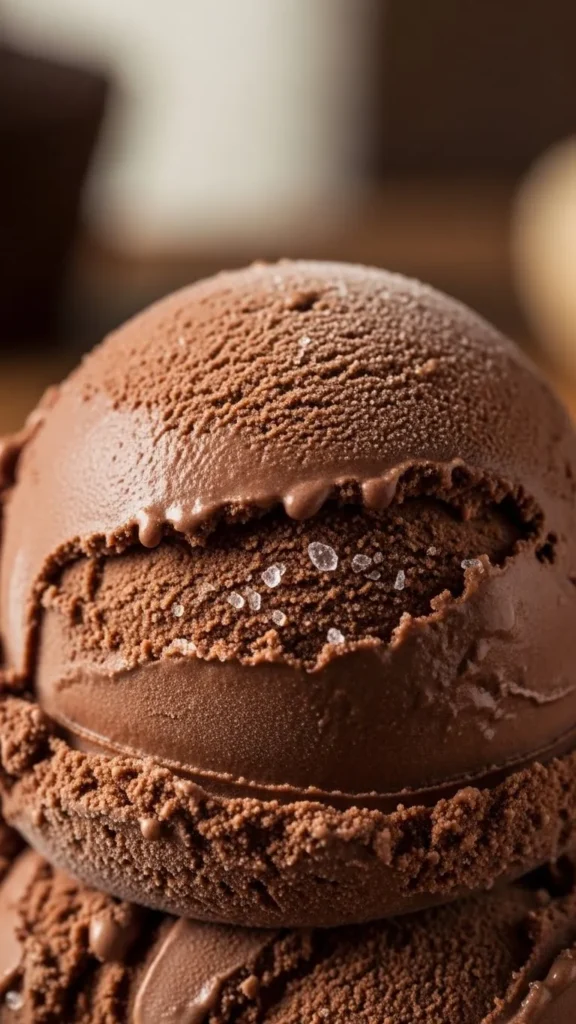
Perfect chocolate ice cream feels smooth, dense, and creamy without being heavy. It should scoop cleanly and melt slowly on the tongue. If it feels icy or crumbly, something went off. Texture tells the truth.
Ideal Texture Breakdown
- Creamy mouthfeel
- Minimal ice crystals
- Soft scoop
- Slow melt
Add-Ins That Actually Work
Chocolate ice cream doesn’t need much help, but add-ins can be fun. I keep them minimal so they don’t overpower the base. Too many chunks ruin the flow. FYI, espresso deepens chocolate without tasting like coffee.
Simple Add-Ins
- Chocolate chips or chunks
- Brownie bits
- Swirls of fudge
- Espresso powder
Serving Chocolate Ice Cream
Chocolate ice cream shines when served properly. I let it sit out for a few minutes before scooping. Rock-hard ice cream never scoops clean. Warm scoop, clean bowl, happy people.
Serving Tips I Use
- Rest 5 minutes before scooping
- Use a warm scoop
- Serve in chilled bowls
- Add toppings lightly
Storage and Shelf Life
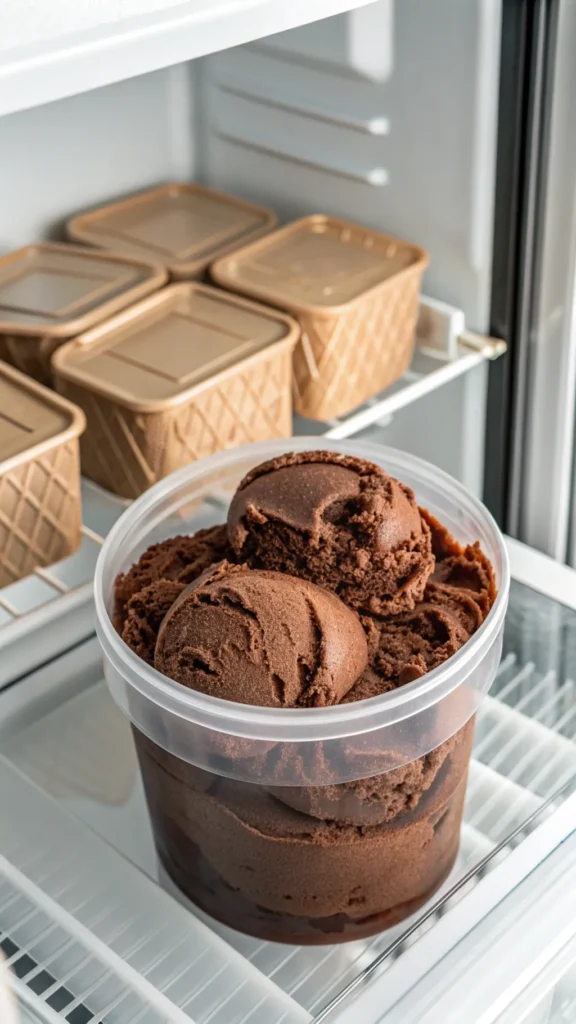
Homemade ice cream lacks stabilizers, so storage matters. I press parchment or plastic wrap directly on the surface to prevent ice crystals. Flavor stays best in the first week.
Storage Basics
- Airtight container
- Surface covered
- Freeze up to 2 weeks
- Avoid temperature changes
Common Chocolate Ice Cream Mistakes
Most issues come from rushing or weak chocolate. Skipping chill time or overheating eggs causes problems fast. I’ve learned to slow down. Ever wondered why homemade ice cream tastes cleaner? Control.
What Actually Matters
- Quality chocolate
- Gentle heat
- Proper chilling
- Balanced sweetness
Is Homemade Chocolate Ice Cream Worth It?
Absolutely. Homemade chocolate ice cream tastes richer, smoother, and more intentional than store-bought. Plus, you control everything. Once you make it successfully, you’ll side-eye grocery store tubs forever :).
Final Thoughts
Chocolate ice cream proves that simple desserts can still feel luxurious. With good chocolate, patience, and balance, you get something deeply satisfying and timeless. Every scoop feels earned. If chocolate ice cream has always felt basic to you, try making it at home once. You’ll never think of it the same way again.