Peach Pie
Peach pie feels like one of those desserts that instantly puts you in a good mood. One whiff of bubbling peaches and buttery crust, and suddenly everything else can wait. I make this pie whenever I want something classic, comforting, and guaranteed to disappear fast. This isn’t a fussy, overworked dessert. Peach pie works best when you keep it honest and let the fruit do most of the talking. If you’ve ever wondered why homemade peach pie tastes so much better than store-bought, you’re about to find out.
Why Peach Pie Never Goes Out of Style
Peach pie sticks around because it just works. The flavors feel familiar, warm, and nostalgic without feeling boring. Every bite delivers sweet fruit, flaky crust, and that syrupy filling everyone secretly loves. I reach for peach pie when I want a dessert that feels special but not intimidating. Ever noticed how some desserts demand perfection? Peach pie is way more forgiving, and honestly, that’s part of the charm.
What Makes a Great Peach Pie
A good peach pie balances three things perfectly. You want juicy fruit, a filling that holds together, and a crust that actually flakes. Miss one, and the whole pie suffers. Here’s what separates a great pie from a sad one:
- Ripe, flavorful peaches
- Balanced sweetness and acidity
- Thickened but not gummy filling
- Crisp, golden crust
Choosing the Best Peaches
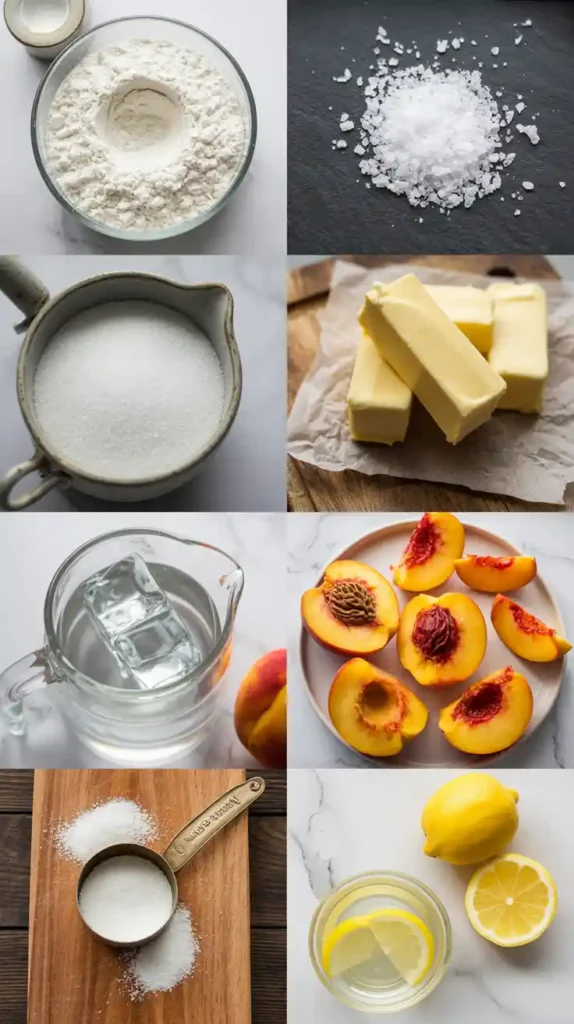
Peaches matter more than anything else in this recipe. If the peaches taste bland, the pie tastes bland. No amount of sugar can fix that, sadly. I always go for peaches that smell sweet and give slightly when pressed. Rock-hard peaches won’t soften enough, and overly soft ones can turn mushy. Ever had peach pie with weird texture? This usually explains it.
Fresh, Frozen, or Canned Peaches
All three work, but they behave differently. Fresh peaches give the best flavor when they’re in season. Frozen peaches save time and stay consistent year-round. Here’s the honest breakdown:
- Fresh peaches: Best flavor, more prep
- Frozen peaches: Convenient, slightly softer texture
- Canned peaches: Acceptable in a pinch, drain very well
Peeling and Prepping the Peaches
Peeling peaches sounds annoying, but it’s easier than it looks. I usually blanch them quickly so the skins slide right off. This keeps the filling smooth and pleasant. Once peeled, slice them evenly so they cook at the same rate. Uneven slices cause half-mushy, half-firm filling, and nobody wants that. Ever bitten into a pie and noticed inconsistent texture? This step fixes that.
Should You Leave the Skins On?
You can leave the skins on if you don’t mind texture. The pie still tastes great, but the skins can curl slightly while baking. I prefer peeled peaches, but this one’s personal preference. If you’re short on time, skip peeling and move on. Peach pie doesn’t punish shortcuts too harshly.
Building the Perfect Peach Filling
The filling should feel juicy, not watery. That balance comes from the right mix of sugar, thickener, and acid. Too much sugar hides the peach flavor, and too little thickener causes soup. I always toss the peaches with sugar, lemon juice, and cornstarch before filling the crust. This helps everything thicken evenly as it bakes. Ever sliced into a pie and watched juice flood the plate? This step prevents that.
Sweetness and Flavor Balance
Peaches vary a lot in sweetness, so tasting matters. I always taste a slice before mixing. If the peaches taste super sweet, I reduce the sugar slightly. Lemon juice adds brightness without making the pie sour. FYI, this small addition makes a huge difference in flavor depth.
Spices That Complement, Not Overpower
Peach pie doesn’t need a spice explosion. I stick to a light touch so the fruit stays front and center. Cinnamon works beautifully, but restraint matters. Nutmeg or vanilla can add warmth, but too much steals the spotlight. Ever eaten a peach pie that tasted more like spice than fruit? That’s exactly what we’re avoiding.
Best Spice Choices
- Cinnamon for warmth
- Nutmeg in tiny amounts
- Vanilla extract for depth
- Salt to enhance sweetness
Choosing the Right Pie Crust
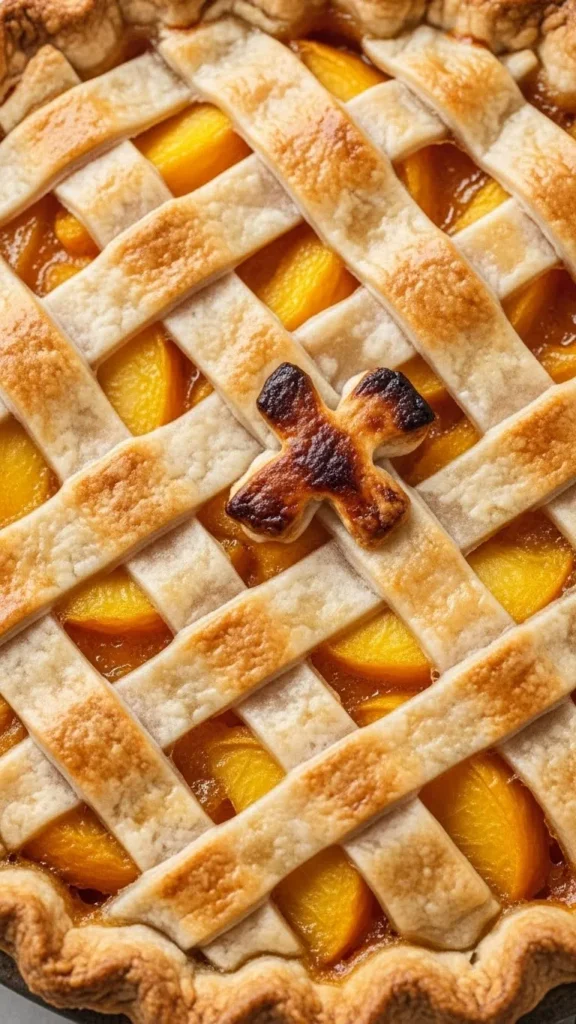
A flaky crust turns a good peach pie into a great one. Homemade crust gives the best texture, but store-bought works when time feels tight. I use both, depending on my mood. The key is keeping the dough cold. Warm butter kills flakiness fast. Ever wondered why some crusts turn tough? Temperature usually explains it.
Single vs Double Crust Pie
Both options work, but they give different experiences. A double crust pie feels classic and cozy. A lattice crust looks fancy without much extra effort. Here’s the quick comparison:
- Single crust: Lighter, more filling-focused
- Double crust: Heartier, traditional
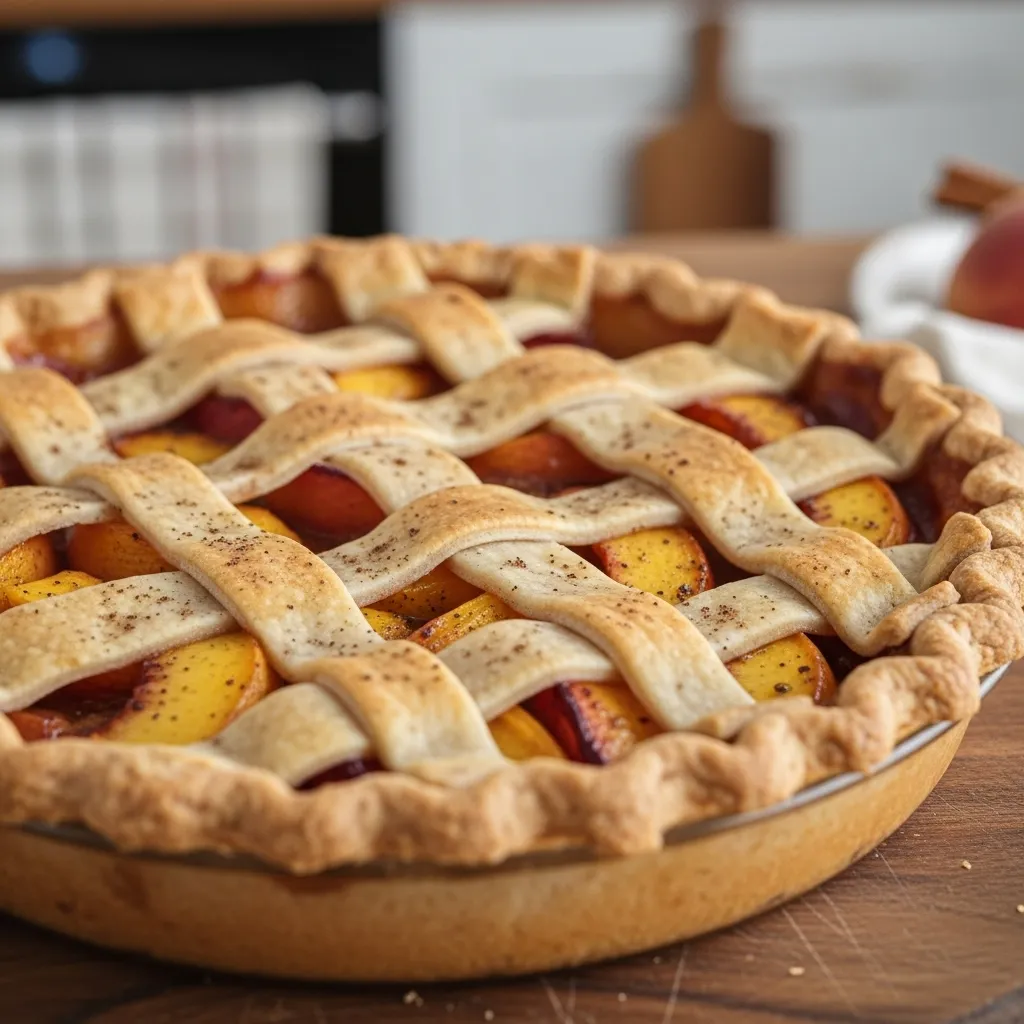
- Lattice crust: Balanced, lets steam escape
Assembling the Pie Without Stress
Assembly should feel calm, not chaotic. Roll out the bottom crust, add the filling, then top it however you like. Don’t overthink it. I always dot a little butter over the filling before adding the top crust. It adds richness and improves texture. Ever had pie filling that tasted flat? Butter helps.
Crimping and Venting Tips
Crimping doesn’t need to look perfect. Rustic pies feel more inviting anyway. Just seal the edges well to prevent leaks. Always vent the top crust or use a lattice. Trapped steam causes soggy filling, and that’s never fun.
Baking Time and Temperature
Peach pie needs time to work its magic. High heat helps set the crust, while steady baking thickens the filling. Rushing this step leads to disappointment. I bake until the crust turns golden and the filling bubbles through the vents. That bubbling tells you the cornstarch activated properly. Ever cut into a pie too early and regretted it? Same.
How to Know It’s Done
- Deep golden crust
- Bubbling filling
- Firm edges with slight jiggle
Cooling the Pie (Yes, This Matters)
Cooling isn’t optional, even though waiting feels impossible. The filling thickens as it cools, which makes slicing clean and satisfying. Cutting too soon causes a runny mess. I usually wait at least two hours. It tests patience, but it’s worth it. Ever served pie that fell apart instantly? Cooling prevents that.
Serving Peach Pie the Right Way
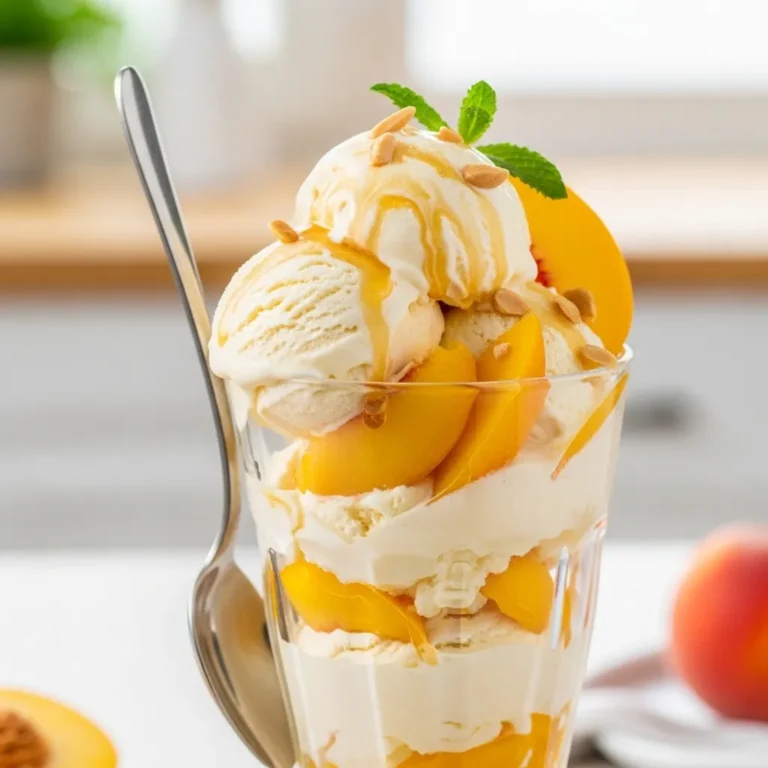
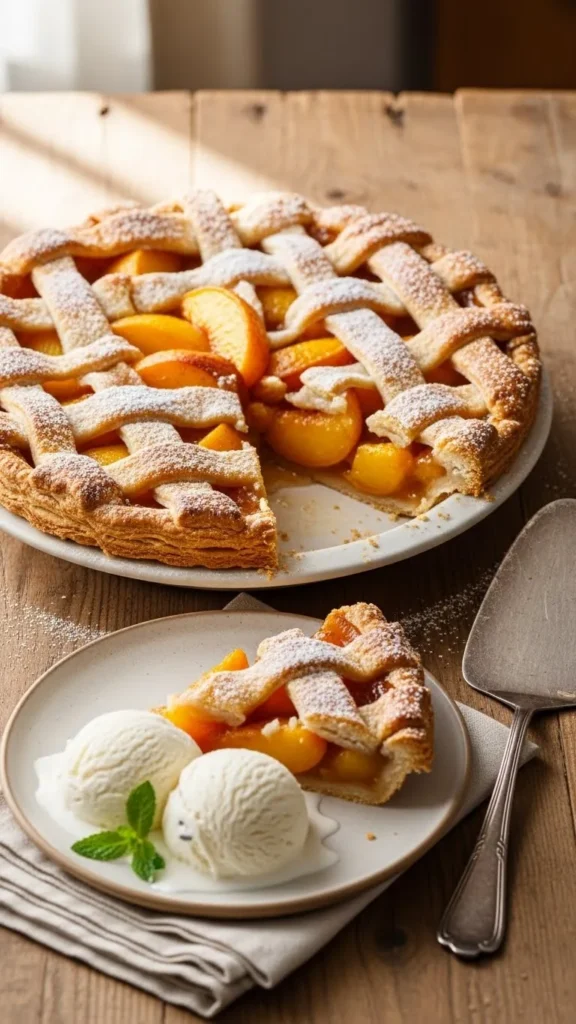
Peach pie tastes amazing slightly warm or at room temperature. Vanilla ice cream feels like the obvious pairing, and honestly, it’s undefeated. Whipped cream works too if you want something lighter. The contrast between warm pie and cold topping never disappoints 🙂
Serving Ideas That Work
- Vanilla ice cream
- Fresh whipped cream
- Greek yogurt for balance
- Custard or cream sauce
Storing and Reheating Peach Pie
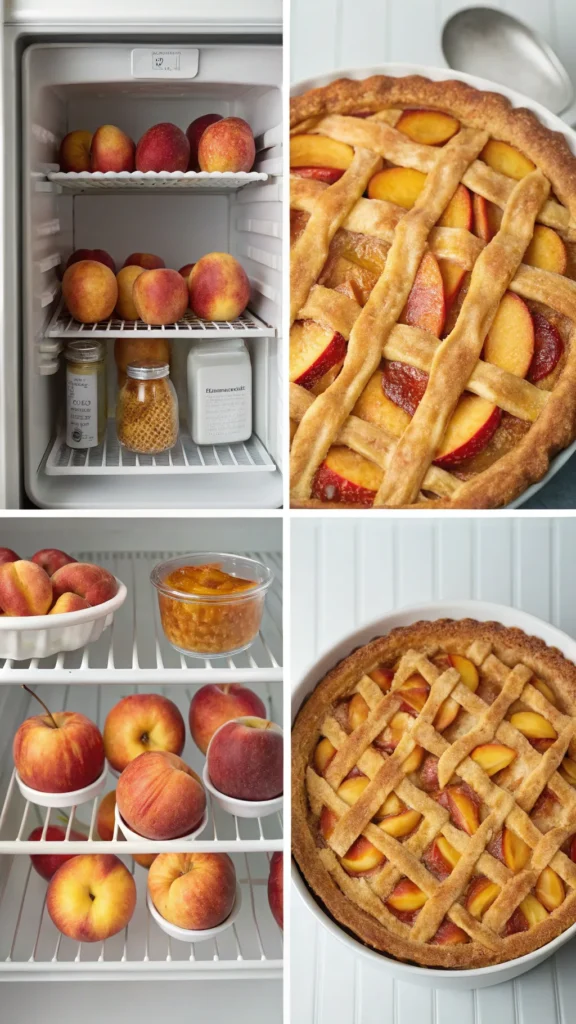
Peach pie stores better than most people expect. The crust softens slightly, but the flavor stays strong. I usually keep leftovers covered in the fridge. Reheating in the oven brings back some crispness. The microwave works, but texture takes a hit. Ever eaten cold pie for breakfast? No shame.
Storage Tips
- Room temperature: Up to 1 day
- Refrigerator: Up to 4 days
- Freezer: Up to 2 months, well wrapped
Common Peach Pie Mistakes to Avoid
Peach pie feels simple, but small mistakes can ruin it fast. I’ve made every one of these at least once. Skipping the thickener or underbaking usually causes problems. Balance and patience matter more than perfection.
What Not to Do
- Using underripe peaches
- Skipping lemon juice
- Underbaking the filling
- Cutting the pie too soon
Conclusion
Peach pie feels timeless for a reason. It delivers comfort, flavor, and nostalgia in every slice. You don’t need fancy skills or perfect technique to make it great. If you want a dessert that feels warm, familiar, and deeply satisfying, peach pie always shows up. Bake it once, and it quietly earns a permanent spot in your recipe rotation.