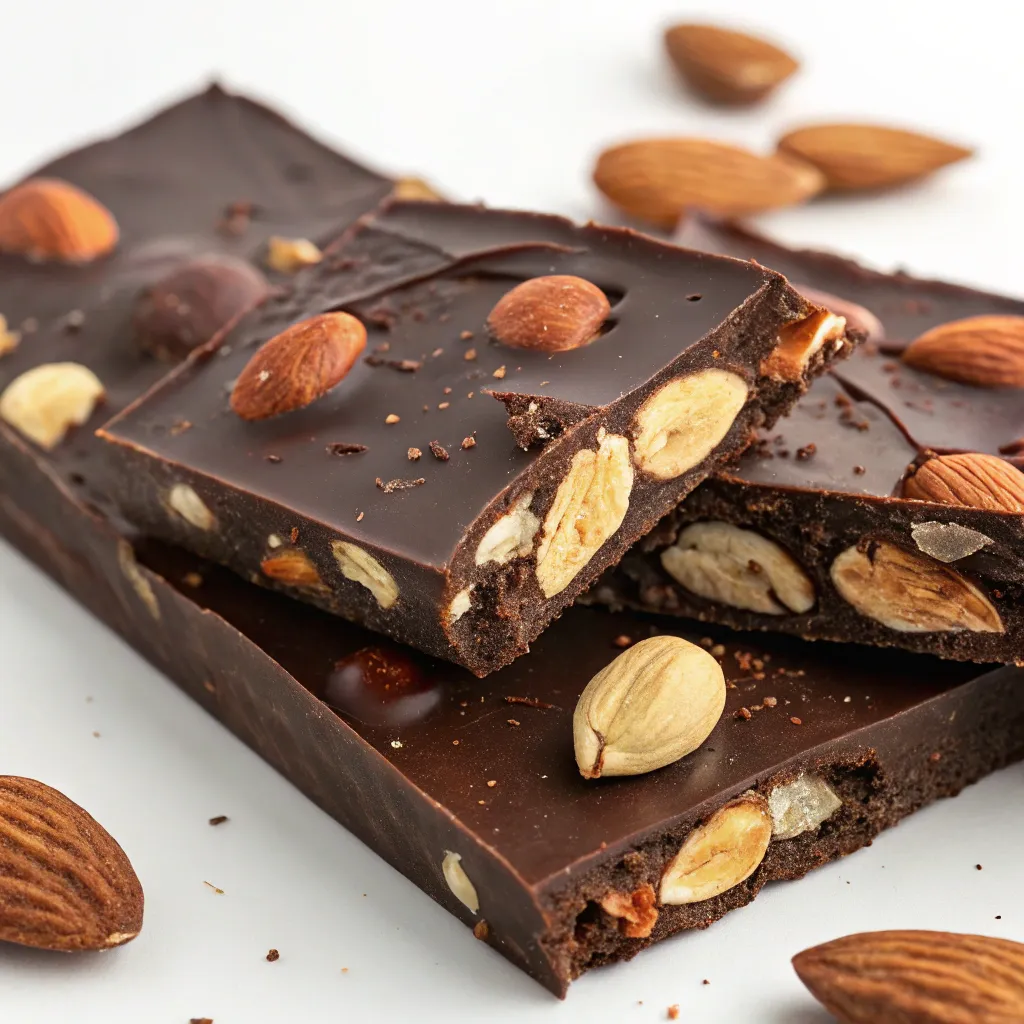
Dark Chocolate Almond Bark
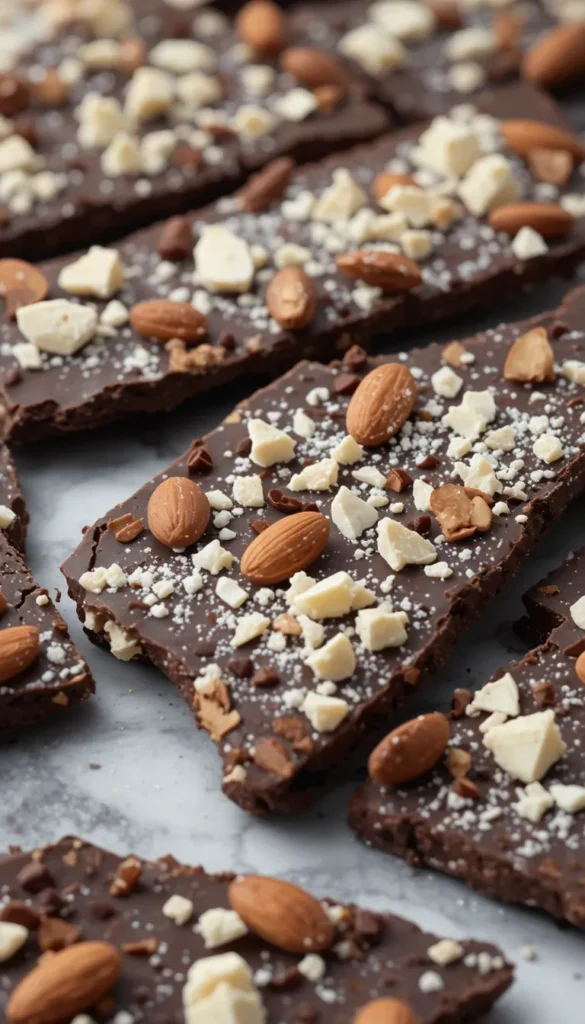
If you love desserts that feel indulgent without turning into a whole kitchen project, dark chocolate almond bark is about to be your new favorite thing. It’s rich, crunchy, and hits that sweet spot between treat and snack. I started making this when I wanted chocolate without baking, measuring stress, or unnecessary cleanup. One tray later, and it became my go-to “I need something good now” solution.
Why Dark Chocolate Almond Bark Always Works
Some desserts demand precision and patience. Dark chocolate almond bark politely ignores all that. You melt, sprinkle, chill, and you’re basically done. The combination of bitter-sweet chocolate and crunchy almonds feels intentional, not accidental. IMO, recipes that taste fancy but act casual are the real MVPs.
What Makes This Bark So Popular
There’s a reason this recipe shows up everywhere during holidays and random weeknights alike. It adapts to your life instead of demanding attention.
- No baking required
- Minimal ingredients
- Easy to customize
- Stores beautifully
Dark Chocolate: The Real Star
Chocolate does most of the talking here, so quality matters. I always use dark chocolate with at least 70% cocoa because it balances sweetness and richness perfectly. Lower percentages can feel flat, while super-dark chocolate can get bitter fast. Finding that middle ground makes all the difference.
Dark chocolate brings:
- Deep, rich flavor
- Smooth texture
- Less sweetness, more balance
Almonds: Crunch That Counts
Almonds add structure, texture, and a subtle nuttiness that keeps the bark interesting. I prefer roasted, unsalted almonds because they add crunch without overpowering the chocolate. Chopping them roughly creates better texture than leaving them whole. Tiny pieces stick better and distribute evenly.
Almonds help by:
- Adding crunch
- Balancing richness
- Making the bark feel satisfying
Ingredients That Keep It Simple
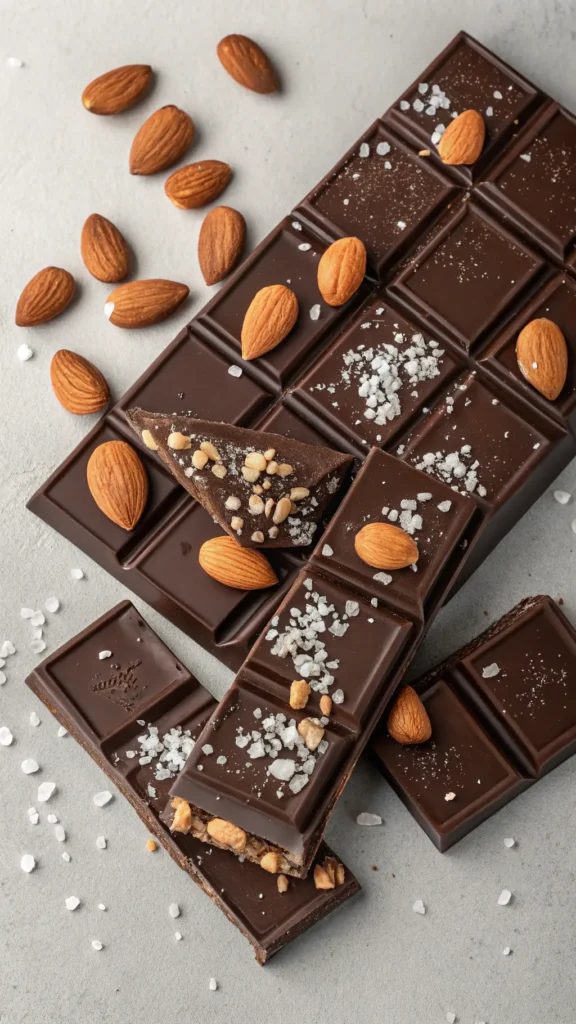
This recipe shines because it doesn’t overcomplicate things. You only need a few ingredients, and each one earns its place. Optional extras like dried fruit or seeds can join the party, but the base version already delivers.
What You’ll Need:
- Dark chocolate
- Almonds, chopped
- Pinch of sea salt
How I Make It Without Stress
Dark chocolate almond bark rewards patience more than skill. Low heat and gentle stirring go a long way. I’ve rushed this before, and yeah, chocolate remembers everything. FYI, slow melting saves you from grainy disasters 🙂
Basic Method:
- Melt dark chocolate gently
- Spread evenly on lined tray
- Sprinkle almonds on top
- Add pinch of salt
- Chill until set
Why This Bark Actually Hits Different
I’ve tried a lot of “healthy-ish” chocolate snacks that taste like regret. This isn’t one of them. You get bold flavor, real texture, and enough richness to feel satisfied after a small piece.
- Antioxidants from dark chocolate
- Healthy fats from almonds
- No refined nonsense
- Portion-friendly indulgence
Texture & Flavor: What to Expect
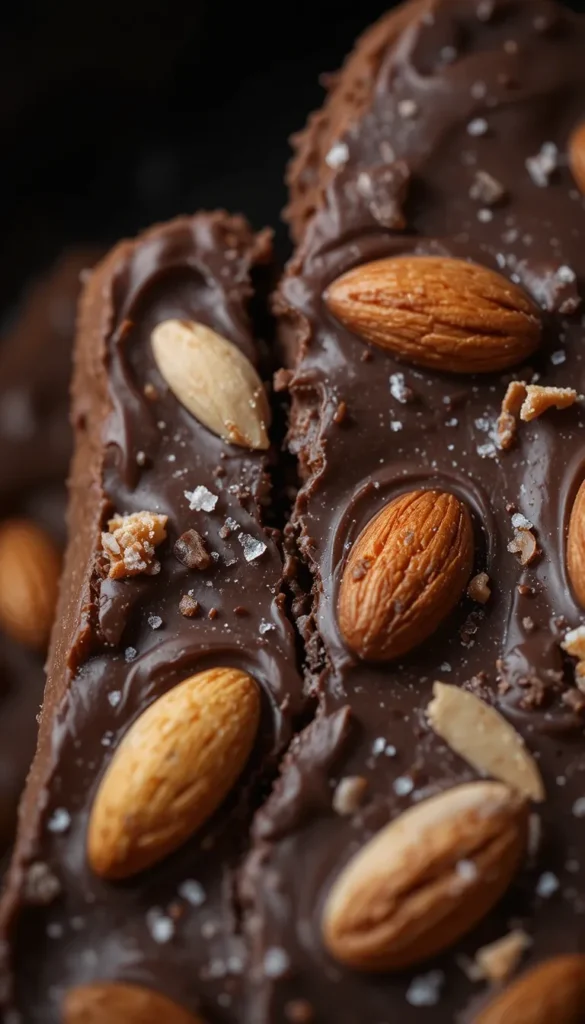
This bark nails the contrast game. The chocolate snaps cleanly, while the almonds add crunch without stealing focus. Each bite feels deliberate and balanced. If your bark bends instead of snapping, it probably needs more chill time.
Texture Breakdown:
- Smooth, firm chocolate
- Crunchy almond pieces
- Clean snap when broken
Flavor Profile:
- Deep cocoa bitterness
- Nutty almond warmth
- Subtle salt finish
Nutritional Information
Dark chocolate almond bark offers indulgence with some built-in benefits. Portion size matters, but the ingredients lean more nourishing than empty. It’s dessert that doesn’t feel reckless.
- Calories: Moderate per piece
- Fats: Healthy fats from almonds
- Carbohydrates: Mostly from chocolate
- Sugars: Lower than milk chocolate
- Fiber: Present from dark chocolate
Easy Variations to Try
One of my favorite things about chocolate bark is how forgiving it is. You can tweak flavors without ruining structure. Just don’t overload the toppings, or things stop setting properly :/
Popular Add-Ins:
- Dried cranberries or cherries
- Pumpkin seeds
- Orange zest
- Coconut flakes
How to Store It Properly
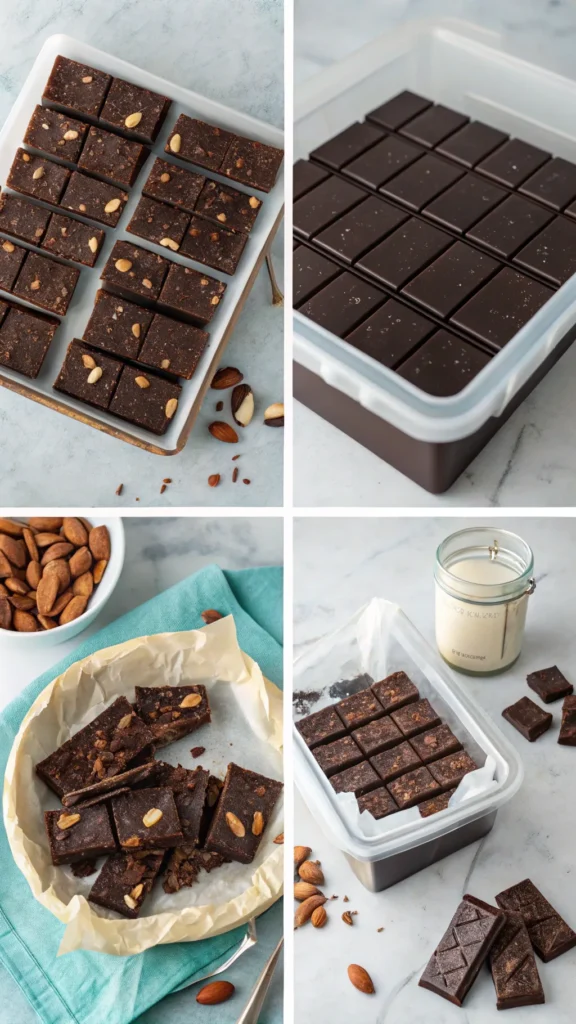
This bark stores extremely well, which makes it ideal for gifting or meal prep. You can make it once and enjoy it slowly without texture loss. I usually keep it chilled for the cleanest snap.
Storage Options:
- Refrigerator: Up to 2 weeks in airtight container
- Freezer: Up to 3 months, well wrapped
- Room temperature: A few days if cool and dry
Common Mistakes to Avoid
Even simple recipes have traps, and chocolate bark is no exception. Small mistakes can mess with texture fast. This recipe rewards patience, not shortcuts. Taking your time with melting and setting ensures the chocolate stays smooth, glossy, and perfectly snappy every time.
What Not to Do ❌
- Don’t overheat the chocolate
- Don’t overcrowd toppings
- Don’t skip parchment paper
Who This Dark Chocolate Almond Bark Is For
Honestly, it fits into almost any routine without effort. You can snack on it, gift it, or use it to upgrade dessert boards. It doesn’t demand attention or timing. That kind of flexibility makes it feel more like a staple than a special-occasion treat, which is exactly why it keeps showing up again and again.
- Love simple chocolate desserts
- Want no-bake treats
- Prefer bold flavors
- Like make-ahead snacks
Conclusion
To wrap it up, dark chocolate almond bark is one of those recipes that proves simple doesn’t mean boring. It’s rich, crunchy, and endlessly adaptable without losing its charm. You get real chocolate flavor, satisfying texture, and zero unnecessary steps. If you want a dessert that delivers without drama, this one deserves a permanent spot in your rotation.