Authentic Mexican Buñuelos Receta | Crispy Fried Dessert
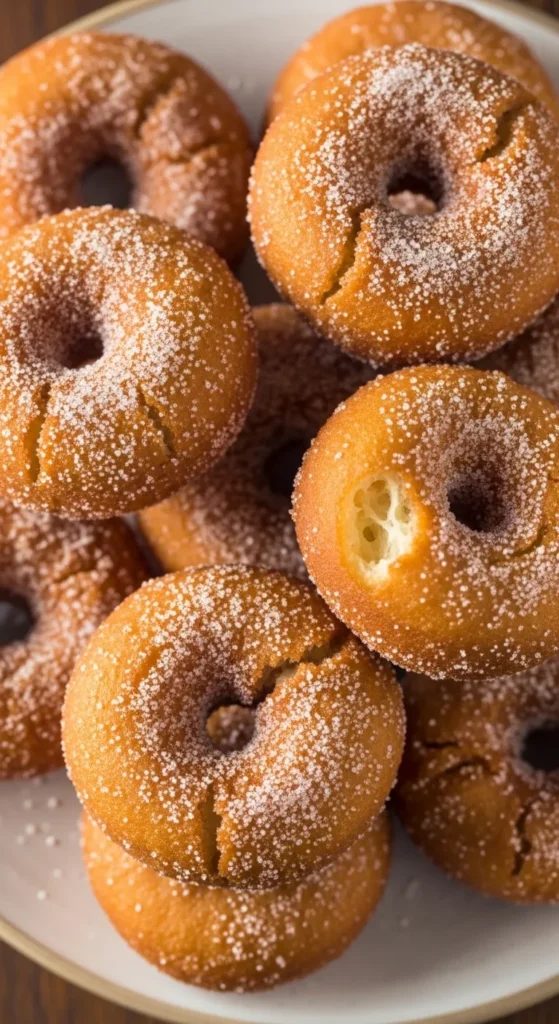
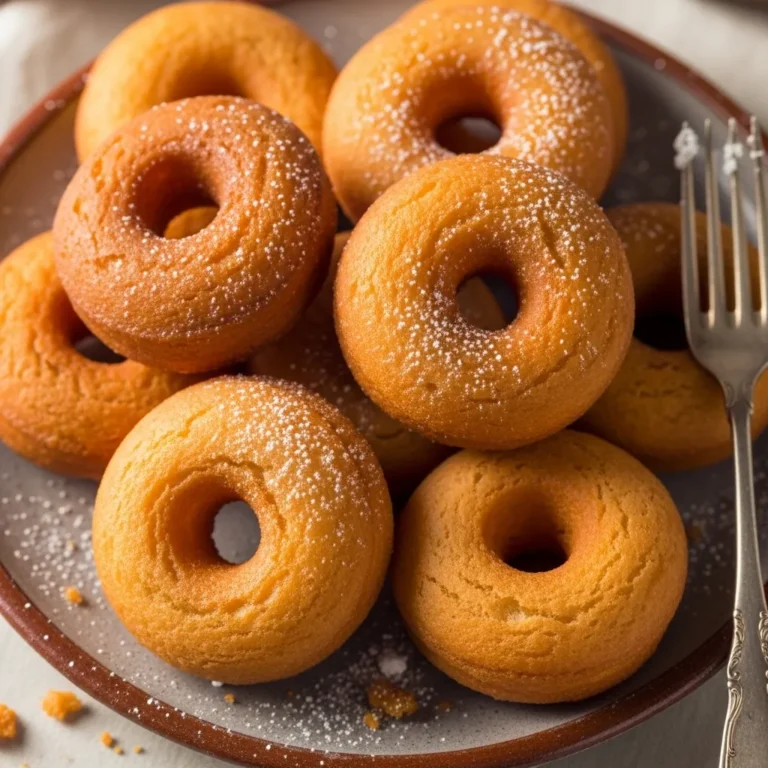
If you’ve ever walked through a street fair in Mexico, a holiday market in Spain, or a family kitchen in Colombia during December, you’ve smelled it: the intoxicating aroma of frying dough, toasted cinnamon, and caramelized sugar. We are talking about Buñuelos. These aren’t just “fried dough”; they are a cross-cultural phenomenon, a symbol of celebration, and quite possibly the most addictive thing you can do with flour and oil. Depending on where you are in the world, a buñuelo can be many things. In Mexico, they are often thin, flat, disc-like fritters that shatter like glass when you bite into them.
Why This Recipe is Awesome
This recipe is the ultimate masterclass in texture. You get that satisfying, loud “crunch” on the outside, but because the dough is enriched with butter and egg, it has a richness that regular fried dough lacks. It’s also one of the most festive things you can make. There’s something deeply communal about a pile of buñuelos sitting on a platter, waiting to be shattered and shared.
It’s also ridiculously satisfying to make. There is a genuine thrill in watching a flat, pale disc of dough hit hot oil and immediately puff up into a golden, bubbly landscape of crispy perfection. It’s like an edible science experiment. Plus, it’s a “pantry staple” hero, you likely have every single ingredient in your kitchen right now. No fancy equipment, no rare spices just technique, heat, and a lot of cinnamon sugar.
Ingredients You’ll Need
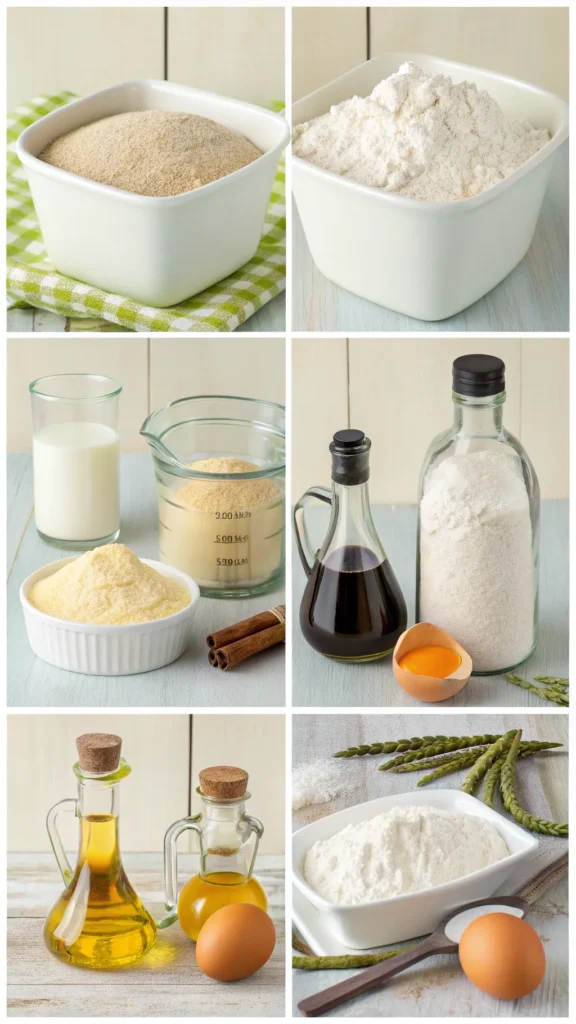
- 2 cups All-Purpose Flour: The foundation of your crispy dreams.
- 1 tsp Baking Powder: To give the dough those iconic tiny bubbles.
- 1 tbsp Sugar: Just a hint of sweetness in the dough itself.
- ¼ tsp Salt: To make the flavors pop.
- 1 Large Egg: For richness and structure.
- 1 tbsp Melted Butter: Because butter makes everything better.
- ¾ cup Warm Water: Or warm milk for an even richer dough.
- 1 tsp Vanilla Extract: For that “bakery-fresh” scent.
- Vegetable Oil: For frying. You’ll need enough to fill your pan about 1 inch deep.
The Cinnamon Sugar Coating
- ½ cup Granulated Sugar
- 1 tbsp Ground Cinnamon(Mix these together in a shallow bowl or plate while the dough rests.)
Optional: The Piloncillo Syrup (Jarabe)
If you want to go the traditional route, skip the dry cinnamon sugar and drench them in a syrup made of:
- 1 cone of Piloncillo (or 1 cup brown sugar)
- 1 cup Water
- 1 Cinnamon Stick
- 2 Whole Cloves
Step-by-Step Instructions
- The Dough Mix: In a large bowl, whisk together the flour, baking powder, 1 tablespoon of sugar, and salt. Make a well in the center and add the egg, melted butter, and vanilla.
- The Hydration: Gradually add the warm water, stirring with a fork until a shaggy dough forms. Now, get in there with your hands. Knead the dough on a lightly floured surface for about 5–7 minutes. You’re looking for a smooth, elastic texture if it’s sticking to your hands like crazy, add a tiny bit more flour.
- The Rest: This is vital. Divide the dough into small balls (about the size of a golf ball). Place them on a tray, cover with a clean kitchen towel, and let them rest for at least 30–45 minutes. This relaxes the gluten, which is the only way you’re going to get them thin enough to fry properly.
- The Stretch: On a lightly floured surface, roll out each ball into a very thin circle. You should almost be able to see through it. Traditionally, people would stretch them over their knees (covered with a cloth), but a rolling pin works just fine for us mortals.
- The Air Dry: Let the flattened discs sit on a paper towel or clean cloth for 10 minutes to dry out slightly. This helps them get extra crispy in the oil.
- The Sizzle: Heat your oil in a large skillet to about $350^\circ \text{F}$ ($175^\circ \text{C}$). Carefully slide one disc into the oil. It will bubble up immediately. Use a slotted spoon or tongs to press it down into the oil. Fry for about 60 seconds per side until it’s a beautiful, even golden brown.
- The Finish: Remove the buñuelo and let it drain on paper towels for just a few seconds. While it’s still hot and the oil is slightly “wet” on the surface, dredge it through the cinnamon sugar mixture.
- The Feast: Repeat until you have a glorious mountain of buñuelos. Serve them immediately while they are warm and at their peak crunch level.
Common Mistakes to Avoid
- Cold Water: Use warm water for the dough! It helps the flour hydrate faster and makes the dough much easier to stretch without it snapping back like a rubber band.
- Not Letting the Dough Rest: If you try to roll these out immediately after kneading, the dough will be “angry” and tight. You’ll end up with thick, chewy discs instead of light, crispy ones. Give it a nap!
- Oil Temperature: If the oil is too cold, the dough will soak up the grease and become heavy and soggy. If it’s too hot, they’ll burn before they get crispy. Use a thermometer or test a small scrap of dough first, it should sizzle and float instantly.
- Crowding the Pan: Fry them one at a time. They need space to puff up and dance in the oil. Plus, they fry so fast that you won’t be able to keep track of more than one anyway.
Alternatives & Substitutions
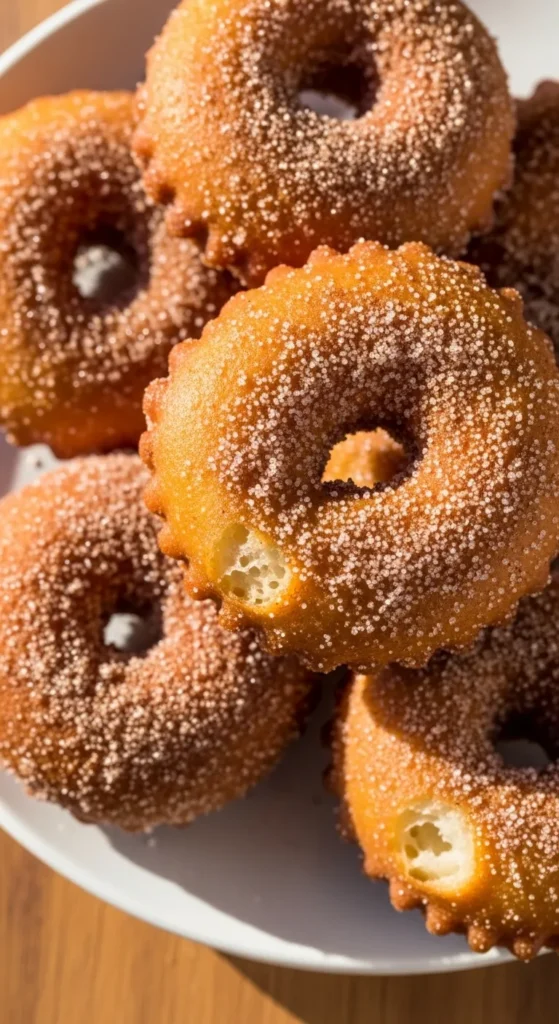
- The Colombian Twist: If you want the round, cheesy version, you’ll need to swap the flour for cornstarch and cassava starch (yuca flour) and add plenty of Costeño cheese (or a mix of Feta and Mozzarella). It’s a completely different texture, crunchy outside, bread-like inside, but equally legendary.
- The “Wind” Version: For buñuelos de viento, you would use a choux pastry dough (like cream puffs) and drop spoonfuls into the oil. They’ll puff up into hollow balls that you can fill with chocolate or cream.
- The Syrup Soak: Instead of cinnamon sugar, some regions prefer to break the buñuelos into pieces and simmer them briefly in the piloncillo syrup mentioned above. This creates a soft, sticky, spiced treat that is to die for.
- Flavored Sugar: Get creative with the coating! Add a pinch of cardamom, star anise, or even a tiny bit of chili powder for a spicy-sweet Mexican chocolate vibe.
Final Thoughts
There is a reason buñuelos have survived for centuries across dozens of cultures: they are pure joy. They represent the magic of turning humble, “poverty” ingredients into a feast that feels like royalty. Whether you’re breaking them apart to share with kids or dipping a crispy shard into a cup of hot Mexican chocolate, you are participating in a beautiful, delicious tradition. So, put on some music, get that oil hot, and prepare to make your house smell like a holiday. Just a fair warning: once your friends and family find out you can make these from scratch, you’ll be the designated buñuelo-maker for every party from now until the end of time.