Baked Rice Pudding – Forget Everything You Know About Starchy Mush
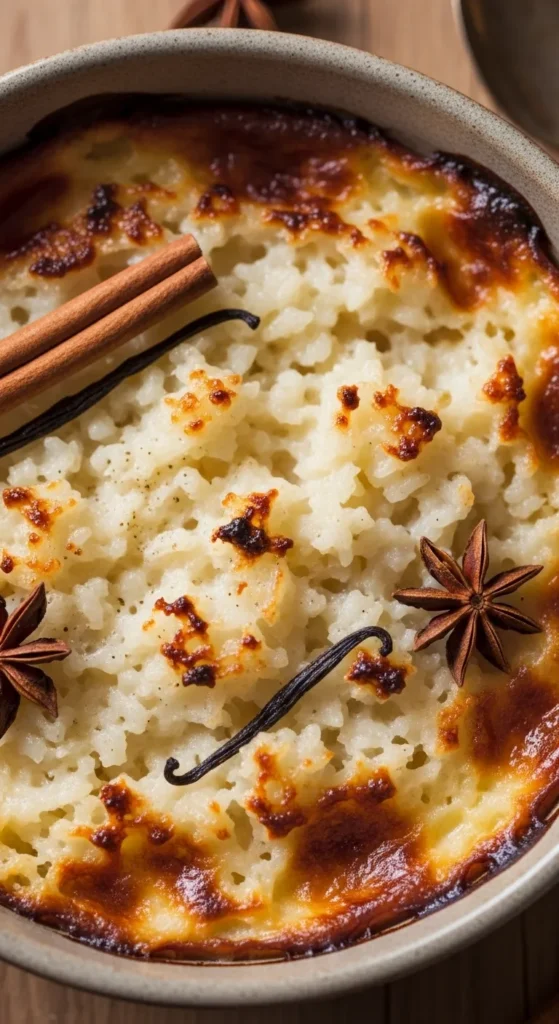
If your only experience with rice pudding involves a plastic cup from a hospital tray or a dusty can from the back of the pantry, prepare to have your world rocked. We’re moving away from the stovetop and heading straight for the oven. Baked rice pudding isn’t just a dessert; it’s a transformation. It’s what happens when humble grains of rice decide to go to finishing school and come back as a sophisticated, golden-crusted custard.
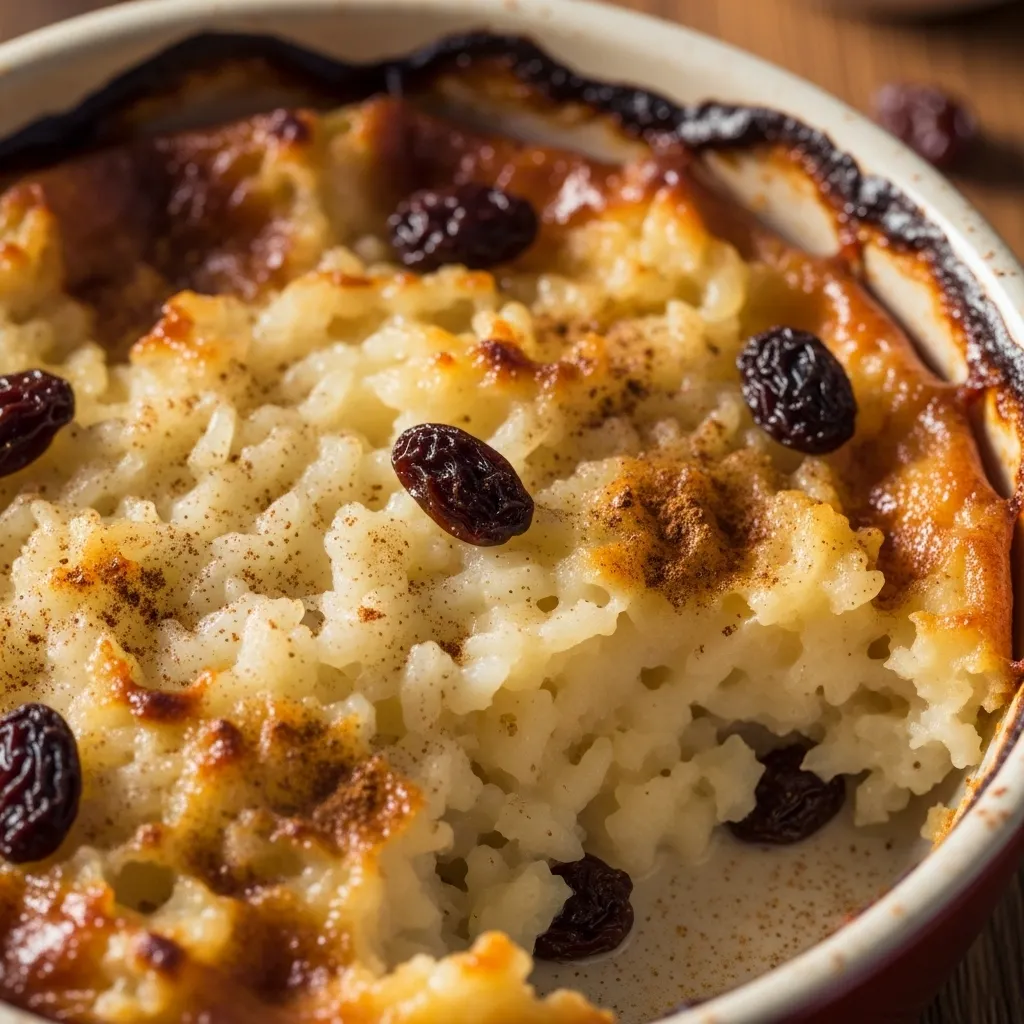
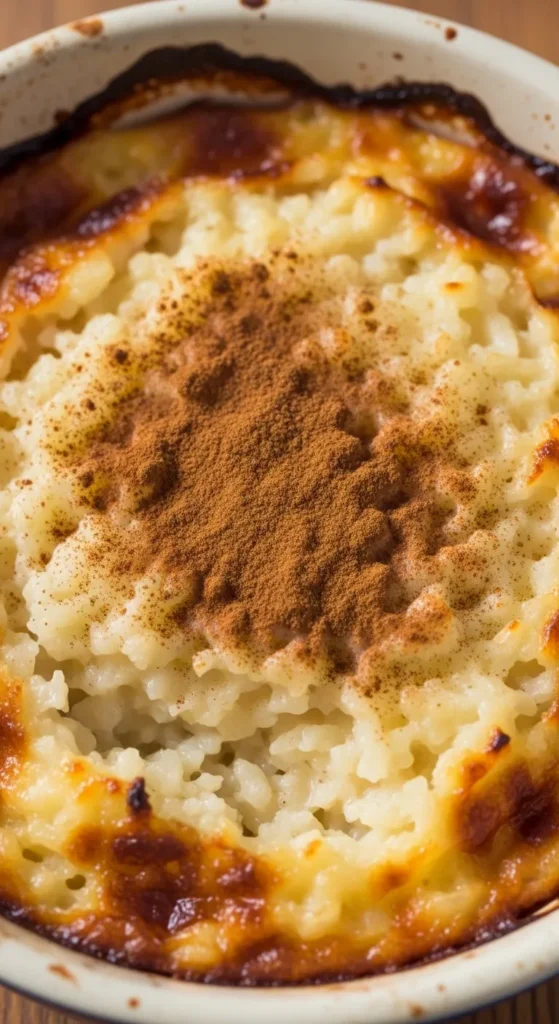
The magic of baking it is all about that top layer. While a stovetop pudding is creamy all the way through, a baked version develops a gorgeous, slightly caramelized skin (the “nutmeg crust”) that is, frankly, the only thing worth fighting over at the dinner table. It’s slow-cooked, soul-warming, and arguably the most low-effort way to make your house smell like a professional bakery.
Why This Recipe is Awesome
This recipe is for the person who loves dessert but hates standing over a hot stove for forty minutes. It’s the ultimate “set it and forget it” masterpiece. You basically stir a few things together, slide the dish into the oven, and go live your life for two hours. It’s the culinary equivalent of hiring someone to do your chores, minimal effort, maximum payoff. It’s also virtually impossible to mess up.
There’s no “tempering” of eggs, no frantic whisking, and no worrying about the milk boiling over and creating a scorched-earth policy on your stovetop. The oven’s steady, dry heat does all the heavy lifting, gently coaxing the rice to absorb the milk until it reaches a state of pure, wobbling perfection. Plus, it’s one of those rare dishes that actually tastes better the longer it sits, making it a dream for meal prep or a “treat yourself” breakfast. FYI, eating this cold for breakfast is a top-tier life choice.
Ingredients You’ll Need
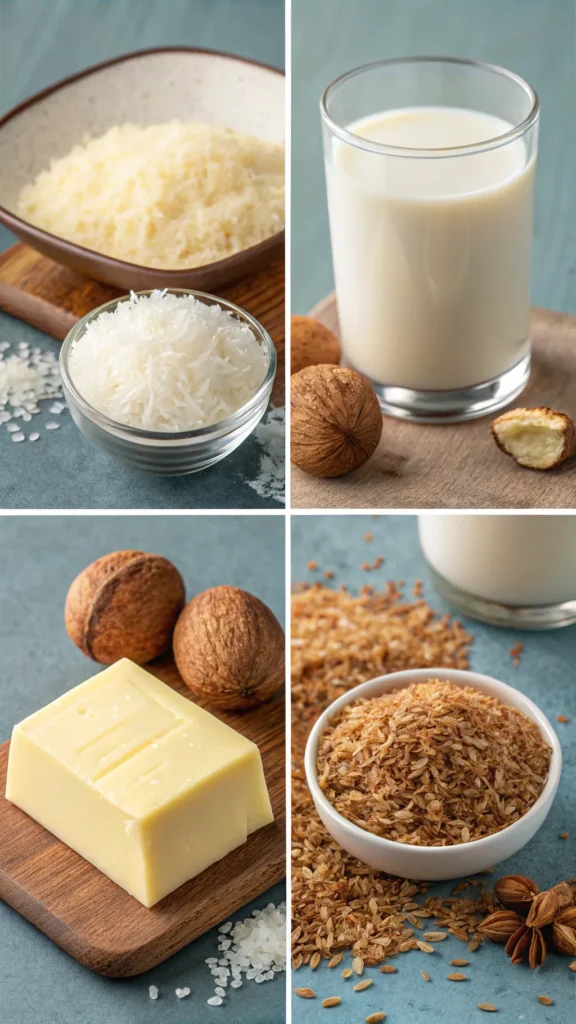
- ½ cup Short-Grain White Rice: Arborio or Pudding rice is the goal. We need that starch to create the custard.
- 4 cups Whole Milk: We aren’t making a protein shake; we’re making a pudding. Use the full-fat stuff.
- 1/3 cup Granulated Sugar: Just enough to be sweet without being “dental bill” sweet.
- 2 tbsp Unsalted Butter: Cut into tiny cubes.
- 1 tsp Vanilla Extract: The aromatic backbone.
- ¼ tsp Salt: To make sure the flavors aren’t just “flat.”
- ½ tsp Freshly Grated Nutmeg: This is the most important ingredient for that classic baked crust.
- Optional: A handful of raisins or dried currants if you’re a traditionalist.
Step-by-Step Instructions
- The Prep: Preheat your oven to $300^\circ \text{F}$ ($150^\circ \text{C}$). We’re going low and slow here. Grease a 1.5-quart baking dish with a little butter so the pudding doesn’t form a permanent bond with the porcelain.
- The Mix: In a large bowl (or directly in the baking dish if you want one less bowl to wash), combine the rice, milk, sugar, vanilla, and salt. Give it a good whisk to make sure the sugar hasn’t just gone to the bottom to have a nap.
- The Butter Dots: Scatter those tiny cubes of butter over the surface of the milk. This creates a rich, golden sheen as it bakes.
- The Nutmeg Rain: Generously grate or sprinkle the nutmeg over the top. This is what creates that iconic “skin” that makes baked rice pudding famous.
- The Long Bake: Slide the dish into the oven. Set your timer for 2 hours.
- The Mid-Way Check: After 30 minutes, give the pudding a gentle stir to make sure the rice hasn’t clumped together at the bottom. Do not stir it again after this. We want that crust to form undisturbed.
- The Finale: The pudding is done when it’s golden on top and has a slight jiggle in the center. It will look a bit “loose,” but it will firm up as it cools. Remove it from the oven and let it rest for at least 15 minutes before diving in.
Common Mistakes to Avoid
- Using Long-Grain Rice: If you use Basmati or Jasmine, the grains will stay individual and firm, and you’ll end up with “rice in milk” instead of “pudding.” You need the starch of short-grain rice to create the creamy bond.
- Cranking the Heat: If you try to bake this at $400^\circ \text{F}$ to save time, you’ll end up with curdled milk and crunchy rice. Patience is the secret ingredient.
- Stirring the Crust: I know it’s tempting, but after that 30-minute mark, leave it alone. The skin is the best part!
- Over-baking: If you wait until it looks completely “solid” in the oven, it will be dry as a bone once it cools. It should still have a “heavier-than-water” wobble when you pull it out.
Alternatives & Substitutions
- The Chocolate Version: Stir in 2 tablespoons of cocoa powder and some chocolate chips before baking. It’s like a warm, baked brownie-pudding hybrid.
- The “Old School” Raisin: Soak your raisins in a little warm water (or rum, I won’t tell) for 10 minutes before adding them to the mix. It keeps them plump during the long bake.
- Dairy-Free Swap: You can use full-fat coconut milk or oat milk. IMO, the coconut version is actually a game-changer for flavor.
- Sweetener Shift: Use honey or maple syrup instead of white sugar for a deeper, more autumnal flavor profile.
Final Thoughts
There you have it, a classic Baked Rice Pudding that is basically a masterclass in slow-living. It’s sweet, it’s creamy, and it has that incredible nutmeg crust that makes everything better. It’s the perfect way to turn a few basic ingredients into something that feels like a warm hug for your stomach. Now, go find your favorite baking dish, get that nutmeg ready, and enjoy a dessert that’s worth every second of the wait. You’ve earned it!