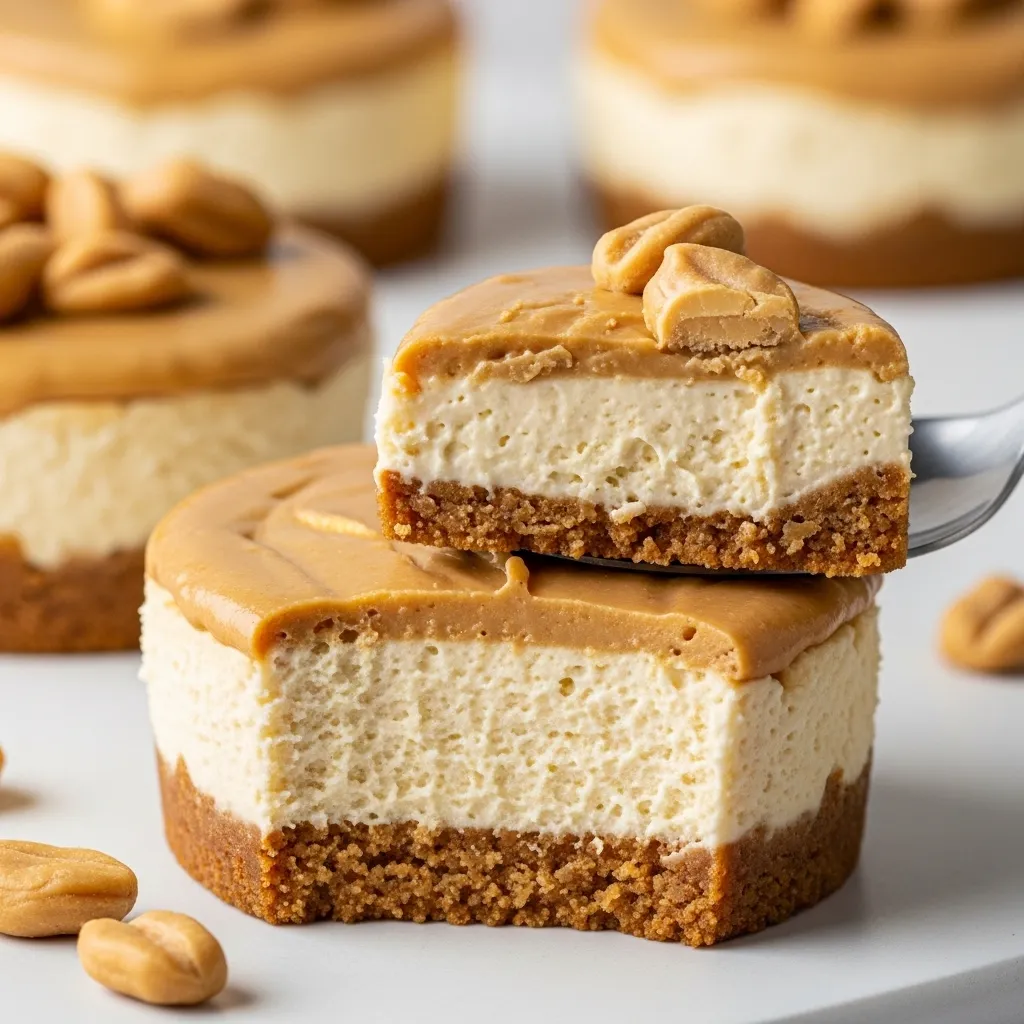
Microwave Peanut Butter Cheesecake
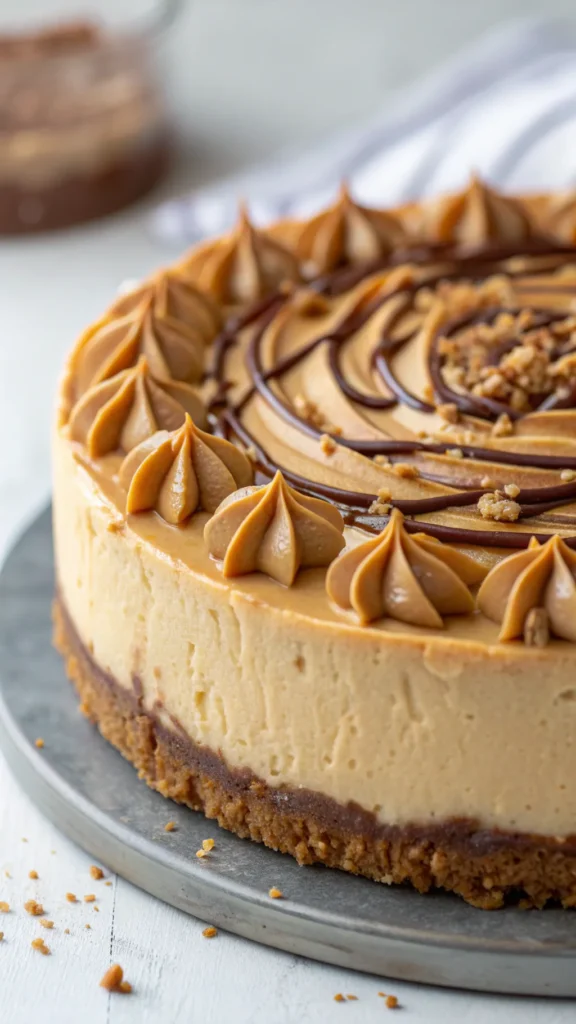
If you are a fan of that iconic combination of salty, nutty protein and sweet, tangy cream, the Microwave Peanut Butter Cheesecake is your new best friend. Peanut butter is a unique ingredient in the world of cheesecake because it doesn’t just add flavor, it adds structure. Unlike fruit cheesecakes that add moisture, peanut butter adds density and healthy fats, which helps the microwave create a texture that is remarkably close to a traditional, slow-baked oven version. It is rich, heavy in the best way possible, and hits that “comfort food” button instantly. In about five minutes, you can have a dessert that tastes like a giant, gourmet peanut butter cup.
The Science of the “Peanut Buffer”
Peanut butter is an emulsified mixture of roasted nuts and oils. When added to a cheesecake batter, it acts as a stabilizer.
- Heat Regulation: The fats in peanut butter have a high heat capacity. This means they absorb microwave energy more evenly than water-heavy ingredients. This “buffers” the eggs in the batter, making them less likely to overcook or turn rubbery.
- Dense Crumb: The solids in the peanut butter help create a “tighter” crumb. In the microwave, where things can sometimes become too airy or spongy, the peanut butter keeps the cake feeling substantial and “fudgy.”
Ingredients: The Salty-Sweet Toolkit

- The Crust:
- 4-5 Chocolate Wafers (or Oreos): Crushed into fine crumbs. Peanut butter’s soulmate is chocolate.
- 1 tbsp Melted Butter: To bind the base.
- The Filling:
- 8 oz (1 block) Cream Cheese: Room temperature (essential for a smooth blend).
- 1/3 cup Creamy Peanut Butter: Avoid “natural” oils-on-top versions for this; standard creamy brands work best for a smooth set.
- ¼ cup Brown Sugar (Packed): Brown sugar adds a caramel note that pairs better with peanuts than white sugar.
- 1 Large Egg: To set the cake.
- 2 tbsp Heavy Cream (or Milk): To thin the batter just enough for a silky pour.
- ½ tsp Vanilla Extract: To round out the flavors.
- A pinch of Salt: Especially if your peanut butter is unsalted.
Step-by-Step Instructions
- The Foundation: Mix the chocolate crumbs and melted butter. Press firmly into the bottom of a microwave-safe ramekin or small glass dish. Microwave the crust alone for 30 seconds to lock it in.
- The Nutty Batter: In a medium bowl, beat the softened cream cheese, peanut butter, and brown sugar until completely smooth.Pro Tip: Use a rubber spatula to smear any lumps against the side of the bowl.
- The Integration: Add the egg, heavy cream, and vanilla. Stir gently until the color is uniform. Do not over-beat; you want a dense cheesecake, not a peanut butter soufflé.
- The Fill: Pour the batter over the crust. Tap the dish on the counter to level it and pop any air bubbles.
- The Gentle Bake: Microwave on 50% power (Medium) for 3 to 4 ½ minutes.
- The Visual: Check at 3 minutes. The edges should look slightly puffed and matte. The center should still have a distinct jiggle.
- The Set: Remove and let it rest on the counter for 30 minutes. The residual heat will finish cooking the center.
- The Chill: Refrigerate for at least 3 hours. Peanut butter cheesecake is particularly dense, so it needs time for the fats to firm up into that “melt-in-your-mouth” consistency.
Common Mistakes to Avoid
- Using Crunchy Peanut Butter: While it sounds good, the chunks of nuts can create “hot spots” in the microwave and disrupt the silky texture of the cheesecake. If you want crunch, add chopped nuts on top after cooking.
- Cold Cream Cheese: If the cheese is cold, it won’t emulsify with the thick peanut butter, leaving you with a lumpy, unattractive batter.
- Full Power Cooking: This will cause the peanut butter oils to separate and the eggs to toughen. Always use 50% power.
- The “Warm Taste” Trap: Peanut butter cheesecake tastes very “eggy” when it’s warm. The true peanut butter flavor only shines once it’s cold.
Creative Variations

- The “Elvis” Cheesecake: Add a layer of sliced bananas over the crust before pouring in the peanut butter batter.
- Chocolate Ganache Topping: Melt 2 tbsp chocolate chips with 1 tbsp heavy cream and pour over the chilled cake.
- The Fluffernutter: Swirl 1 tbsp of marshmallow fluff into the batter before microwaving.
- Reese’s Overload: Top with chopped peanut butter cups before serving.
Final Thoughts
The Microwave Peanut Butter Cheesecake is the ultimate high-reward dessert. It is decadent, rich, and incredibly easy to make with ingredients you likely have in your cupboard right now. It is the perfect answer to a “serious” dessert craving that doesn’t want to wait for the oven. By respecting the 50% power rule and giving it time to chill, you are creating a cheesecake that is as sophisticated as it is comforting.