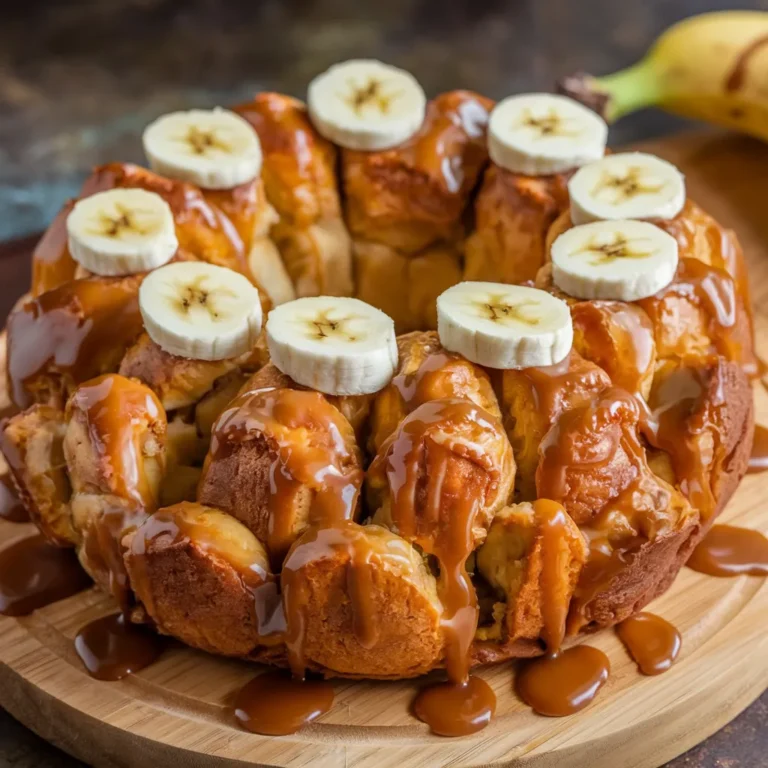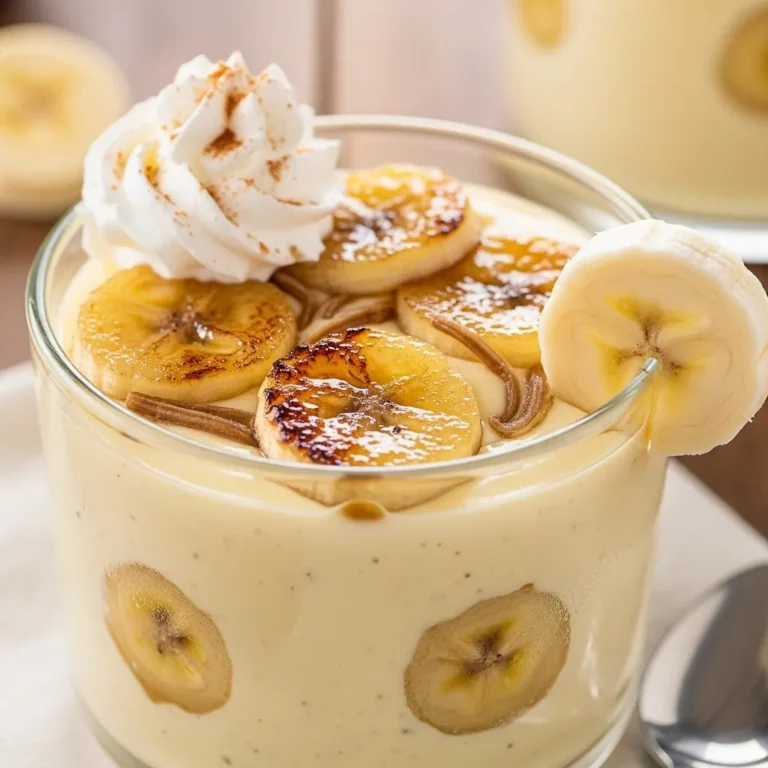
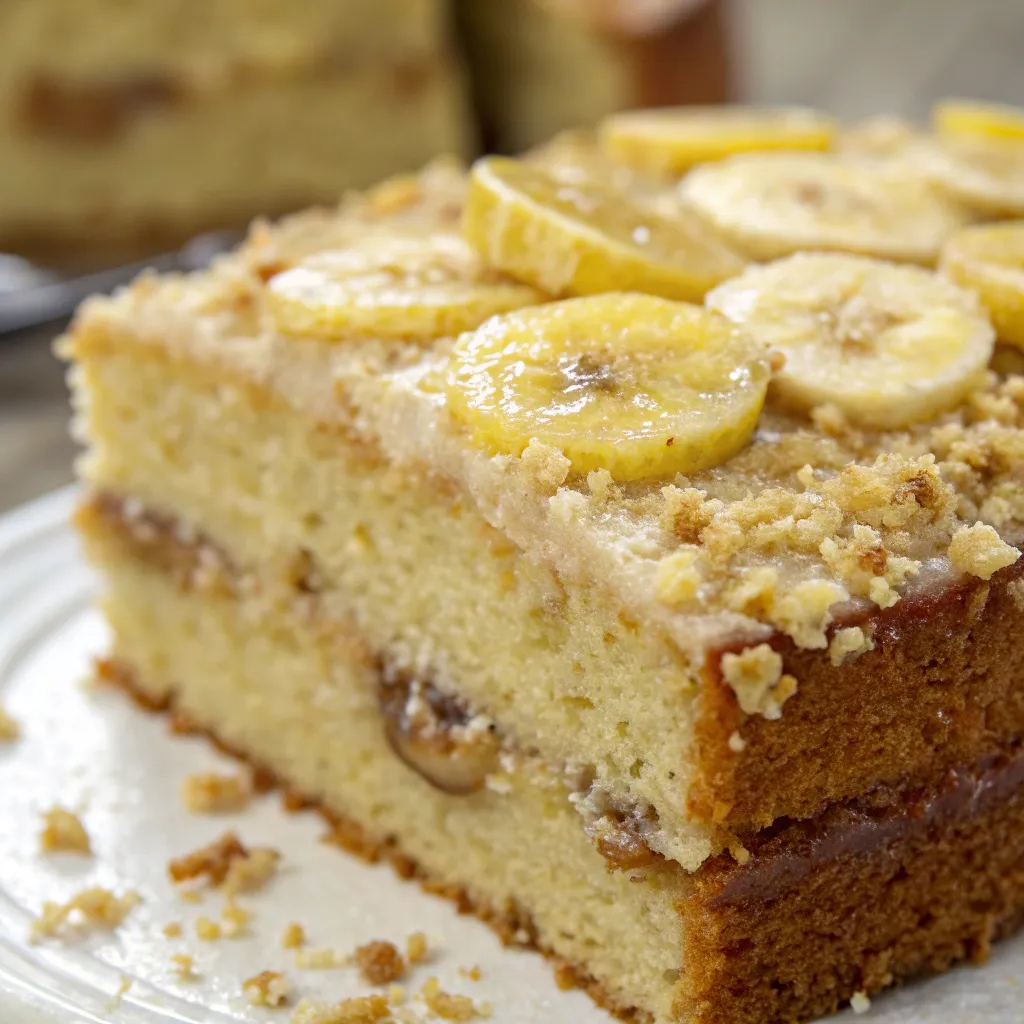
Banana Sponge Cake
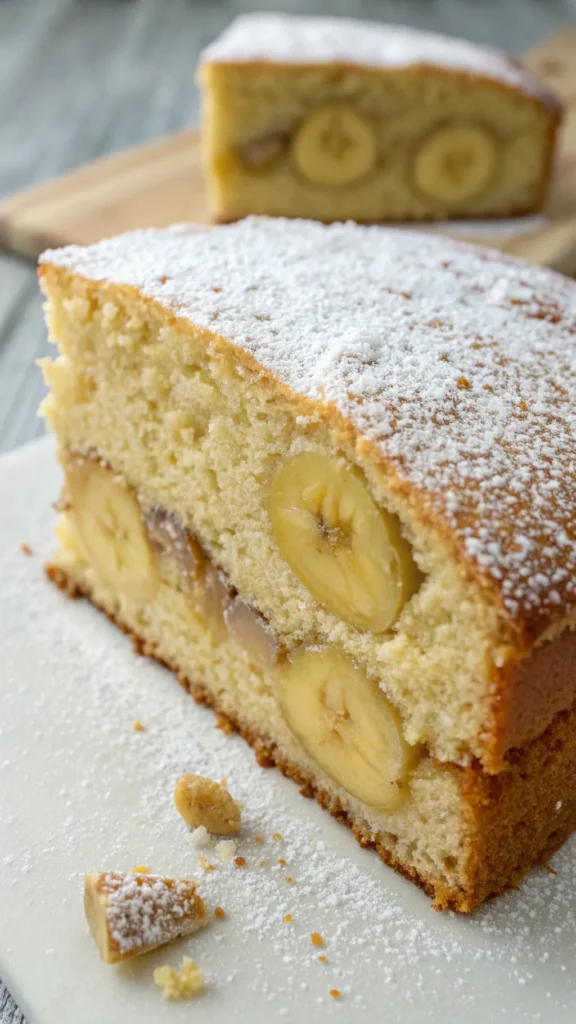
Banana sponge cake feels like one of those quiet classics that never disappoints. It’s light, airy, and naturally sweet, without trying too hard to impress anyone. I usually bake it when I want something simple but comforting, the kind of cake that works with tea, coffee, or a random afternoon craving. What I love most is how forgiving it feels. You don’t need fancy frosting or layers to enjoy it. One good slice of banana sponge cake already knows what it’s doing.
Why Banana Sponge Cake Is Always a Good Idea
Some cakes feel heavy and rich, which is great sometimes, but banana sponge cake plays a different role. It feels soft, fluffy, and easy to eat, even if you go back for seconds. That’s probably why it works so well for so many occasions. This cake leans on bananas for flavor and moisture, instead of loads of butter or oil. Ever noticed how sponge cakes feel lighter but still satisfying? That’s exactly the magic happening here.
What Makes It Stand Out
- Light and airy texture that doesn’t feel dense
- Natural banana sweetness without overpowering flavor
- Simple ingredients you likely already have
- Versatile base for toppings or fillings
Ingredients That Keep It Light and Fluffy
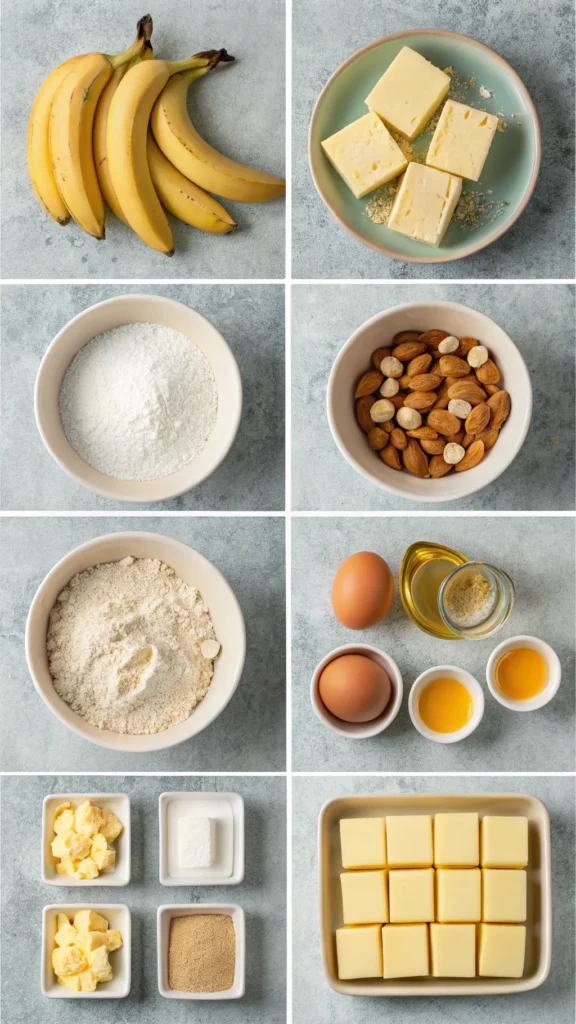
Banana sponge cake doesn’t need a long ingredient list to work. Every ingredient plays a clear role, and nothing feels extra or unnecessary. I really appreciate recipes that don’t overcomplicate things. Using ripe bananas makes a noticeable difference here. Ever tried baking with bland bananas? Yeah, the cake notices too.
- 1 1/2 cups All-Purpose Flour: Sifted twice to ensure the cake remains light and doesn’t get weighed down by the fruit.
- 3 Large Overripe Bananas: Mashed until completely liquid; for a sponge cake, you want no chunks so the air bubbles in the batter remain intact.
- 1/2 cup Unsalted Butter (Softened): It must be room temperature (about 65°F to 70°F) to properly trap air during the creaming process.
- 1 cup Granulated Sugar: White sugar is preferred over brown here to keep the texture “snappy” and the color a beautiful pale gold.
- 2 Large Eggs (Room Temperature): Cold eggs will curdle the butter; room-temp eggs emulsify perfectly for a smooth batter.
- 1/4 cup Whole Milk or Sour Cream: Adds just enough moisture to keep the sponge tender without making it heavy.
- 1 tsp Baking Soda and 1/2 tsp Salt: The soda reacts with the natural acidity in the bananas to provide the lift.
- 1 tsp Pure Vanilla Extract: To round out the tropical sweetness of the banana.
The “Sponge” Technique
- The Creaming: Beat the butter and sugar for at least 3–5 minutes. You are looking for a pale, almost white color and a fluffy texture. This is where your “lift” comes from.
- The Egg Addition: Add eggs one at a time, beating well after each. If the mixture looks like it’s separating, add a tablespoon of your flour to bring it back together.
- The Alternate Fold: Add the dry ingredients and the mashed banana/milk mixture in three parts, starting and ending with the flour. Do not use a mixer for this part; use a spatula and a “folding” motion to keep the air you just whipped in.
- The Bake: Pour into a greased 8-inch round or square pan and bake at 350°F (175°C) for 30–35 minutes.
Why Bananas Work So Well in Sponge Cake
Bananas do more than add flavor in this recipe. They help keep the sponge moist while still letting it rise properly. That balance can feel tricky, but bananas make it easier. I’ve tested versions with less banana, and the cake always felt drier. Once you hit the right amount, the texture turns soft without losing that classic sponge feel. It’s a win-win situation.
Banana Benefits in Baking
- Adds natural moisture
- Brings gentle sweetness
- Enhances soft crumb texture
- Reduces need for extra fat
How Banana Sponge Cake Tastes
The flavor stays clean and comforting, without being overly rich. Banana comes through clearly, but it doesn’t dominate every bite. The sponge structure keeps everything feeling light. It’s the kind of cake you can eat plain and still feel happy about it. That says a lot.
Texture and Flavor Breakdown
- Fluffy and airy crumb
- Soft banana flavor, not artificial
- Light sweetness that doesn’t overwhelm
- Smooth finish with no heaviness
Step-by-Step Baking Process
I keep this method straightforward because sponge cakes already scare people enough. Once you understand the flow, it feels surprisingly easy. The key here is gentle mixing. Treat the batter kindly, and it will reward you later.
- Preheat oven to 350°F (175°C)
- Whisk eggs and sugar until pale and fluffy
- Fold in mashed bananas and vanilla
- Gently add sifted dry ingredients
- Pour batter into prepared pan
- Bake until lightly golden and springy
Texture and Flavor: What to Expect
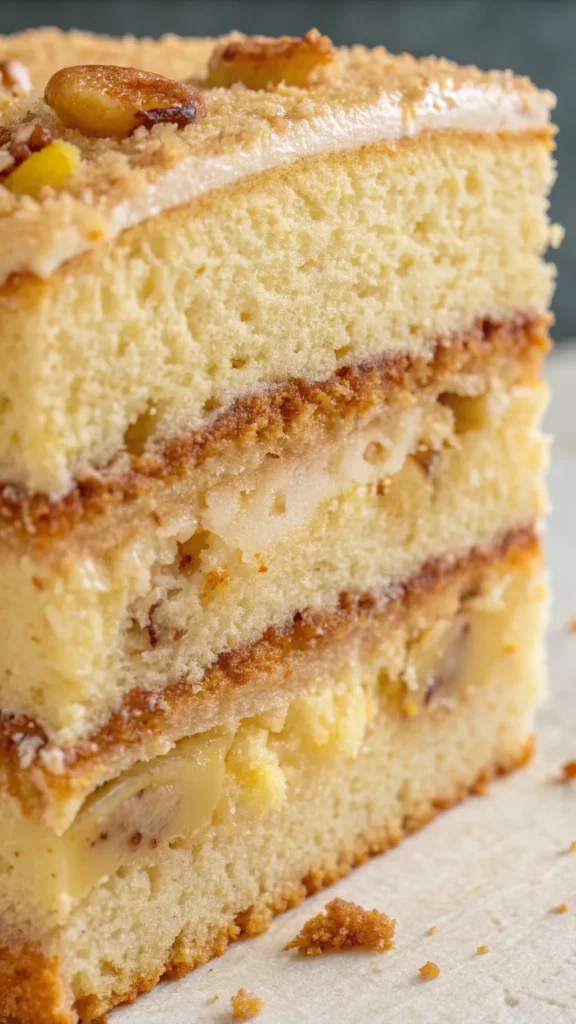
Banana sponge cake offers a texture that feels light, airy, and soft from the first bite. The crumb stays fluffy without feeling dry, which makes each slice easy and enjoyable to eat. It holds its shape well, yet still melts slightly in your mouth. That balance gives it a classic sponge feel with a banana twist.
Texture Highlights
- Light and airy crumb that feels soft and fluffy
- Moist interior without any heaviness
- Delicate sponge structure that holds its shape
- Smooth bite that melts gently in the mouth
Flavor Profile
- Natural banana sweetness that tastes warm and familiar
- Mild vanilla notes that balance the fruit
- Clean, simple flavor with no overpowering elements
- Comforting finish that pairs well with tea or coffee
Tips for a Perfect Banana Sponge Cake
Small details matter with sponge cake, but they don’t need to stress you out. I’ve learned these tips by messing up first, so you don’t have to. Ever rushed slicing a sponge cake and watched it collapse? Yeah, patience really helps here.
Helpful Tips
- Sift the flour for lighter texture
- Fold, don’t stir, once flour goes in
- Use room-temperature eggs
- Let the cake cool before slicing
Common Mistakes to Avoid
Even simple cakes have a few traps hiding in plain sight. Luckily, banana sponge cake keeps them manageable. Most problems come from rushing. Slow down just a bit, and things go smoothly.
What Not to Do
- Don’t overmix the batter
- Don’t slam the oven door
- Don’t underbake the center
- Don’t skip lining the pan
Serving Ideas That Work Anytime
Banana sponge cake adapts to almost any situation. I’ve served it plain, dressed up, and everything in between. It works just as well for a quiet afternoon as it does for guests. That flexibility makes it a keeper.
Best Ways to Serve
- Plain with tea or coffee
- With powdered sugar on top
- Layered with whipped cream
- Served with fresh fruit
How to Store Banana Sponge Cake
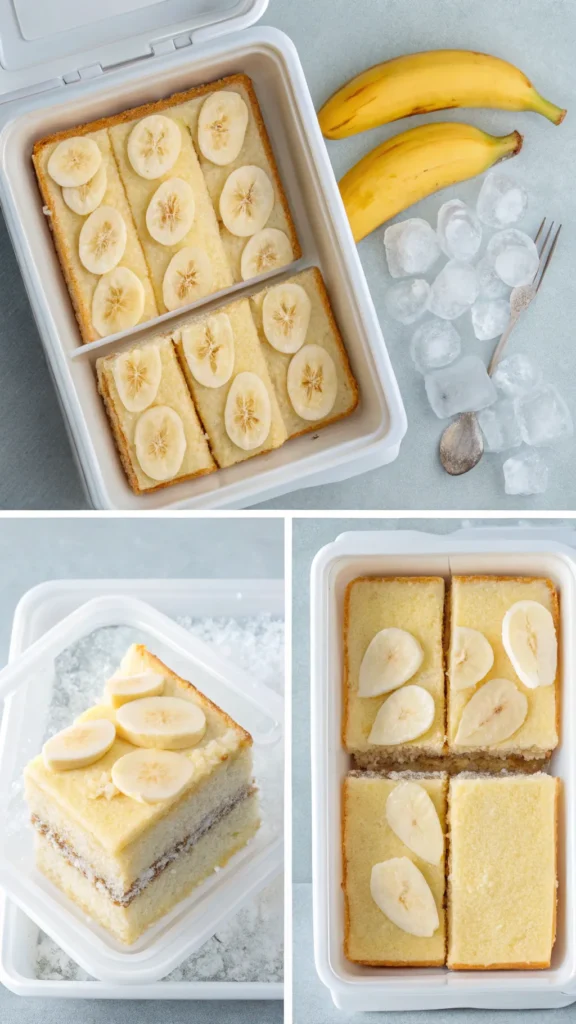
Good storage keeps the sponge soft and enjoyable for days. I’ve tested this more times than I should admit. A quick warm-up brings the texture right back. It’s honestly impressive.
Storage Options
- Room temperature for 2 days, covered
- Refrigerated for up to 4 days
- Frozen slices for up to 2 months
Who This Cake Is Perfect For
Banana sponge cake suits more people than you’d expect. It doesn’t feel heavy, overly sweet, or complicated. Ever wanted a cake that doesn’t steal all the attention but still delivers? This one gets it. It’s great if you:
- Want a light dessert
- Prefer simple flavors
- Have ripe bananas to use up
- Need a reliable everyday cake
Conclusion
Banana sponge cake proves that simple baking still has a place. It’s light, comforting, and easy to make without sacrificing flavor. The bananas keep it moist, the sponge keeps it airy, and the overall result just feels right. If you’re looking for a no-fuss cake you’ll actually bake again, this one deserves a spot in your kitchen. And honestly, once you try it, you’ll understand why it never goes out of style.