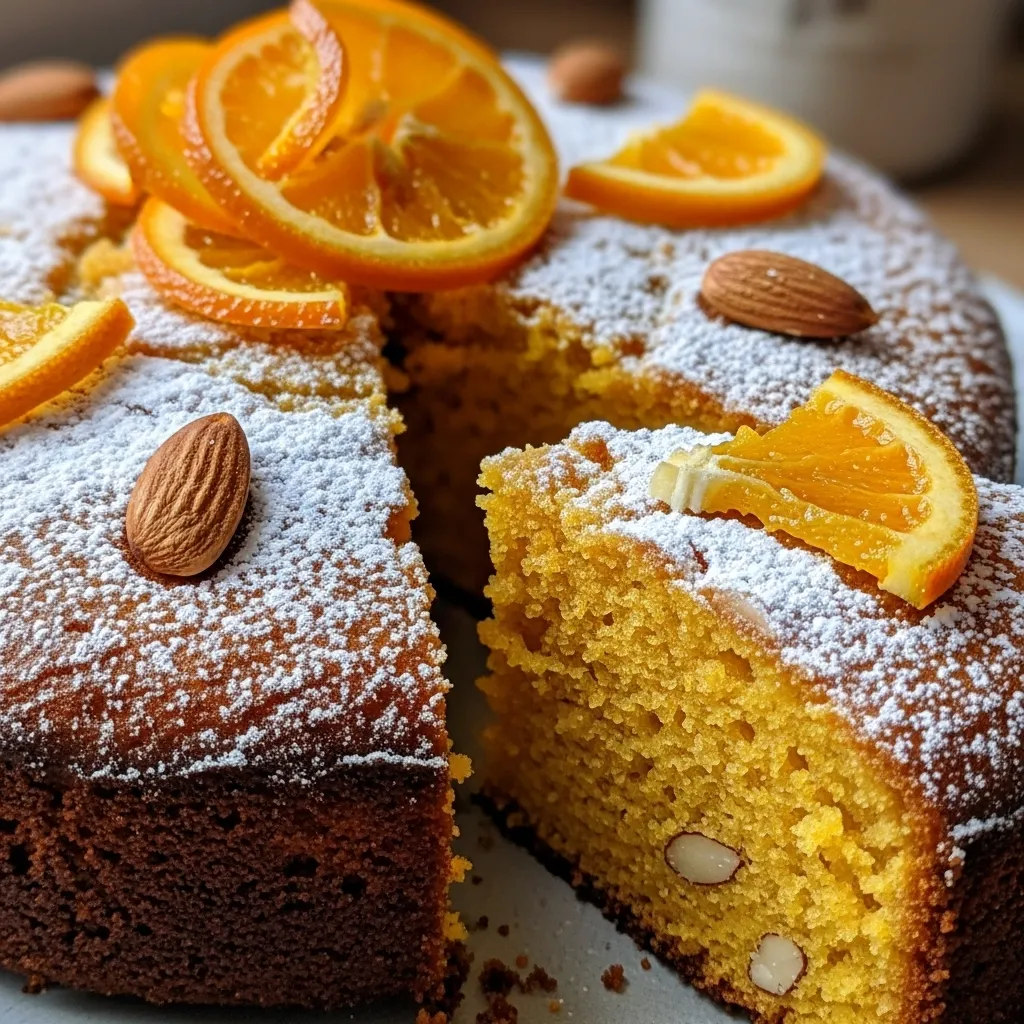
Best Orange Almond Cake Recipe
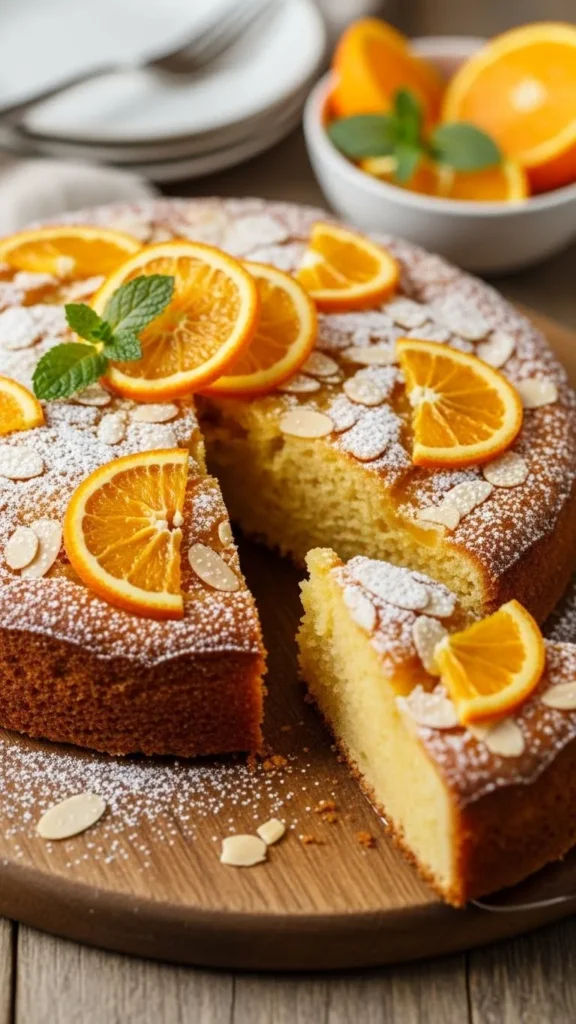
Orange almond cake feels like the kind of dessert you bake when you want something quietly impressive. It doesn’t scream for attention, but one bite in, and people definitely notice. The citrus brings freshness, the almonds add warmth and depth, and together they create a cake that feels both rustic and elegant. I usually reach for this recipe when I want a cake that tastes special without requiring fancy techniques. This cake sits right in that sweet spot between everyday and celebration. It works just as well with coffee on a slow afternoon as it does on a dessert table.
Why Orange and Almond Are Such a Classic Pair
Orange and almond complement each other naturally. Orange adds brightness and slight acidity, while almond brings richness and a soft nutty flavor. Ever wonder why this combo shows up so often in European-style cakes? The almond smooths out the citrus so the flavor never feels sharp. Instead, it tastes balanced, warm, and comforting with every bite.
Flavor Profile You Can Expect
This cake tastes fragrant rather than overly sweet. The orange flavor feels fresh and clean, while the almond adds a gentle depth that lingers. Neither ingredient dominates, which keeps the cake from feeling heavy or one-note. It’s the kind of flavor that grows on you. The more you eat, the more you appreciate how well everything works together.
Texture That Makes This Cake Stand Out
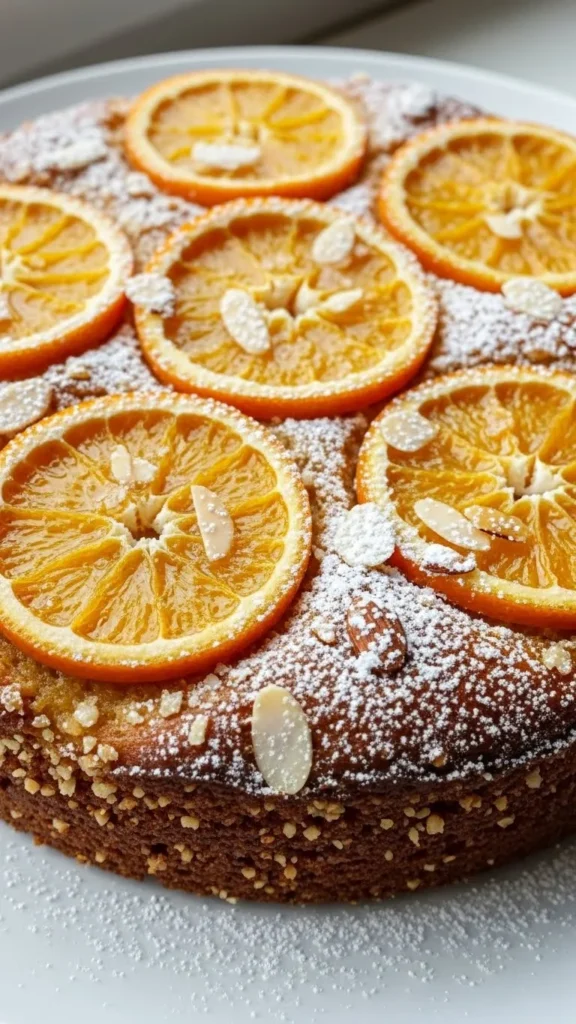
Orange almond cake usually has a tender, slightly dense crumb in the best way. It feels moist and rich without being heavy or greasy. Almond flour or ground almonds help create that soft, almost melt-in-your-mouth texture. The crumb holds together beautifully, which makes slicing easy and presentation clean. It feels substantial without feeling dense.
The Importance of Fresh Orange Flavor
Fresh orange juice brings natural moisture and light citrus flavor to the cake. Orange zest does the heavy lifting when it comes to aroma and depth. Without zest, the cake loses much of its personality. I always zest the oranges first before juicing them. It keeps the flavor bright and saves time, which honestly feels like a small win every time.
Almond Ingredients and Their Role
Almond flour or finely ground almonds add richness and structure. They help retain moisture and give the cake its signature texture. Almond extract, when used lightly, enhances the nutty flavor without overpowering the orange. Too much almond extract can take over fast, so restraint matters here. A little goes a long way.
Simple Ingredients That Work Together
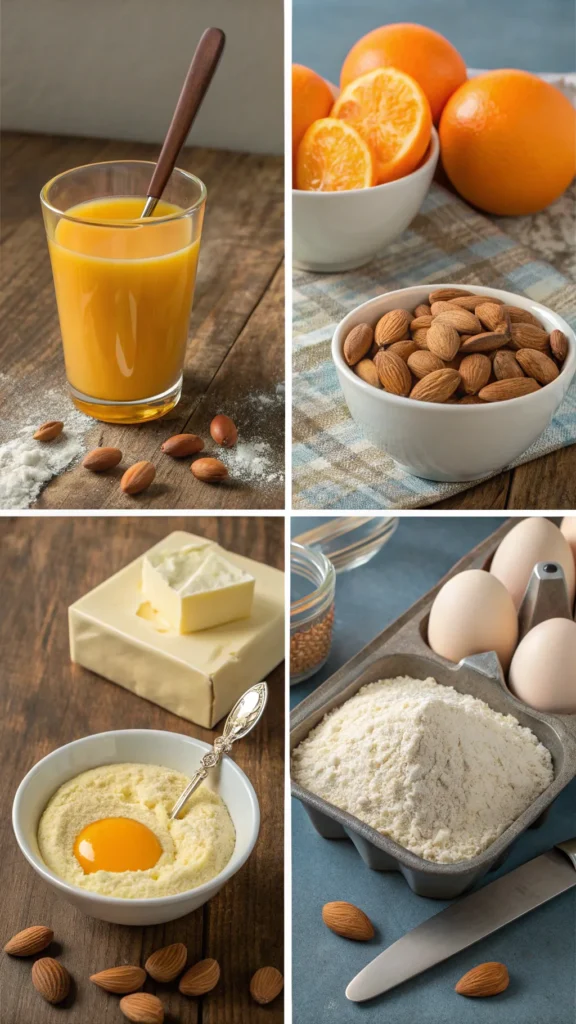
This cake relies on a short ingredient list, but balance matters more than quantity. Each ingredient has a clear purpose and contributes to the final result. Nothing feels unnecessary, and everything earns its place. Key ingredients include:
- Fresh orange juice and zest for brightness
- Almond flour or ground almonds for texture
- Eggs for structure
- Butter or oil for moisture
- Sugar and flour for balance
Instructions:How to Make
Mixing the Batter the Right Way
Start by mixing wet ingredients until smooth and well combined. Gradually fold in the dry ingredients, including almond flour, with a gentle hand. The batter should look thick but pourable. Overmixing tightens the crumb quickly. Stop as soon as the flour disappears to keep the cake soft and tender.
Choosing the Best Pan
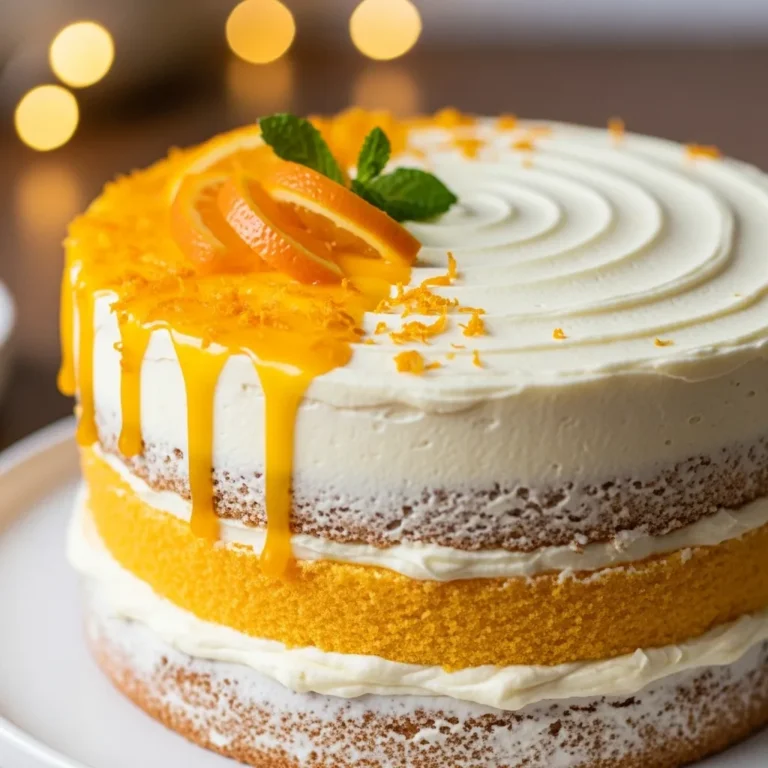
Orange almond cake works well in round pans, loaf pans, or even a springform pan. Round pans feel more traditional, while loaf pans make the cake easy to slice and serve casually. Springform pans help showcase the texture nicely. Always grease the pan thoroughly, especially when using almond flour, since it can stick more than regular flour.
How to Tell When the Cake Is Done
The top should turn lightly golden and feel set in the center. When gently pressed, it should spring back slightly. A toothpick inserted into the center should come out with a few moist crumbs. Avoid baking until completely dry. Slight moisture ensures the cake stays soft after cooling.
Glaze and Topping Options
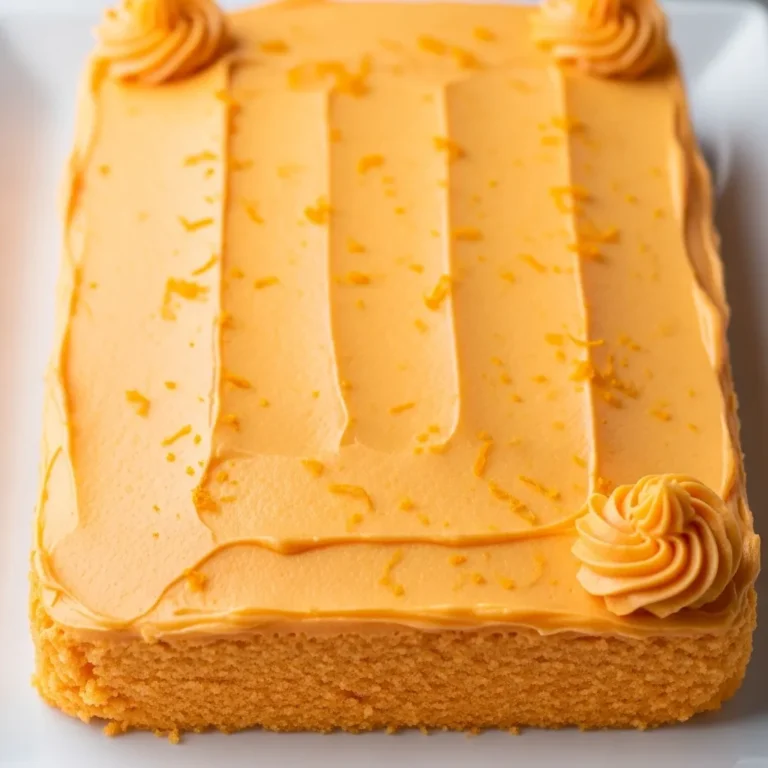
A simple orange glaze adds shine and extra citrus flavor. Sliced almonds on top add texture and visual appeal. You can also dust the cake with powdered sugar for a minimal finish. Keep toppings light so they enhance rather than overpower the almond and orange flavors.
Common Mistakes to Avoid
Skipping zest weakens the orange flavor significantly. Using coarse almond meal instead of finely ground almonds can affect texture. Overmixing is another common issue that leads to a tougher crumb. Careful measuring and gentle mixing make a noticeable difference here.
Storage and Freshness Tips
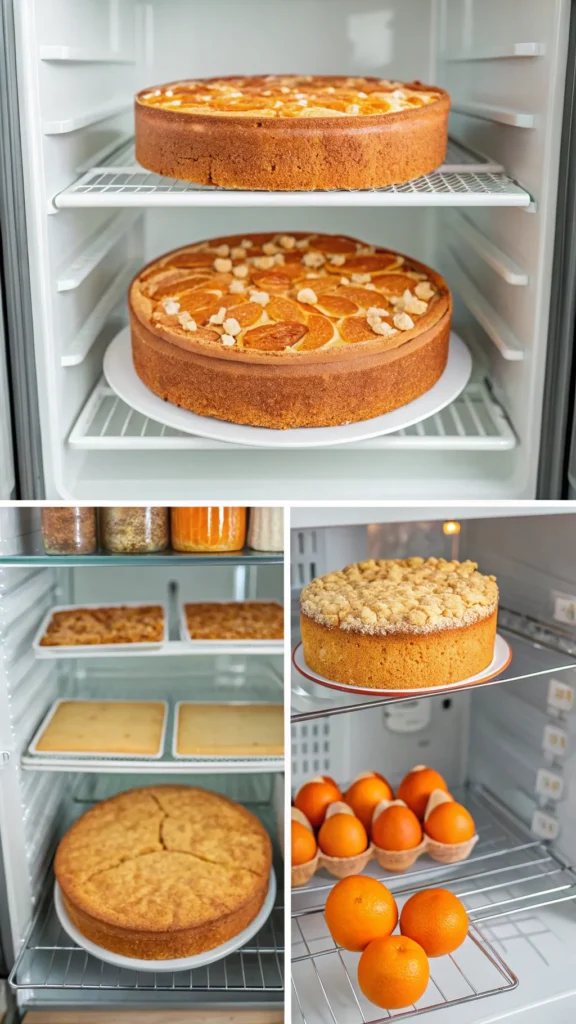
Store the cake in an airtight container at room temperature for up to two days. Refrigeration helps extend freshness, especially if the kitchen runs warm. The flavor actually improves slightly after the first day. Let chilled slices come to room temperature before serving. The texture softens and the flavors open up.
Freezing Instructions
Orange almond cake freezes well, especially when unfrosted. Wrap it tightly and freeze for up to two months. Thaw at room temperature before glazing or serving. Freezing works best before adding any toppings or glaze.
Easy Variations to Try
You can add a hint of vanilla to soften the almond flavor or swap part of the orange juice with lemon for extra brightness. A touch of honey instead of sugar adds warmth without overpowering the cake. Small changes keep things interesting while preserving the cake’s character.
Conclusion
Orange almond cake delivers elegance without effort. The citrus keeps it fresh, the almond adds richness, and the texture stays moist and satisfying. It’s simple, dependable, and quietly impressive. If you enjoy cakes that feel balanced, flavorful, and timeless, this one deserves a regular spot in your baking routine.