
Chocolate Mousse Recipe
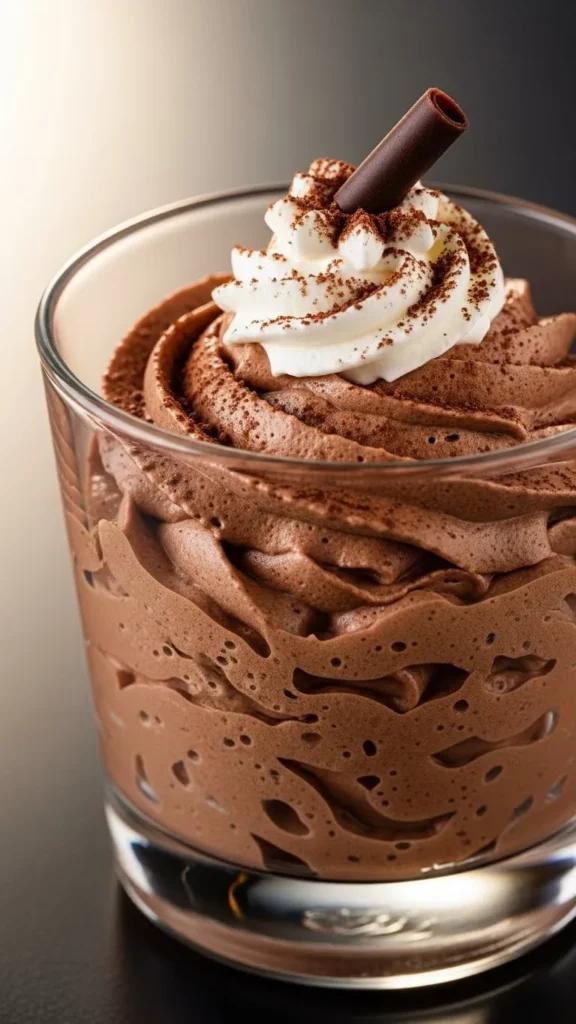
Chocolate mousse feels like the dessert equivalent of a soft blanket and a deep sigh of relief. It looks fancy, tastes luxurious, and somehow convinces people you worked way harder than you actually did. The first time I made chocolate mousse, I expected something complicated and stressful. Instead, I ended up wondering why I hadn’t been making it my whole life. This dessert stays light, airy, and deeply chocolatey all at once. It melts on your tongue without feeling heavy or overwhelming. Ever wanted a dessert that feels indulgent but not exhausting? Chocolate mousse understands the assignment.
Why Chocolate Mousse Feels So Special
Chocolate mousse doesn’t rely on baking or structure. It wins purely on texture and flavor. That airy, cloud-like feel sets it apart from cakes, brownies, and fudge. I love how it feels elegant without being pretentious. You can serve it in fancy glasses or simple bowls, and it still feels intentional. Presentation becomes optional, which feels freeing.
What Sets Mousse Apart from Other Chocolate Desserts
Most chocolate desserts feel dense and rich. Mousse feels rich but light, which sounds contradictory but works perfectly. You get deep flavor without heaviness. That balance makes it ideal after a big meal. Ever skipped dessert because you felt too full? Mousse usually gets a pass.
Texture Goals: Light, Airy, and Creamy
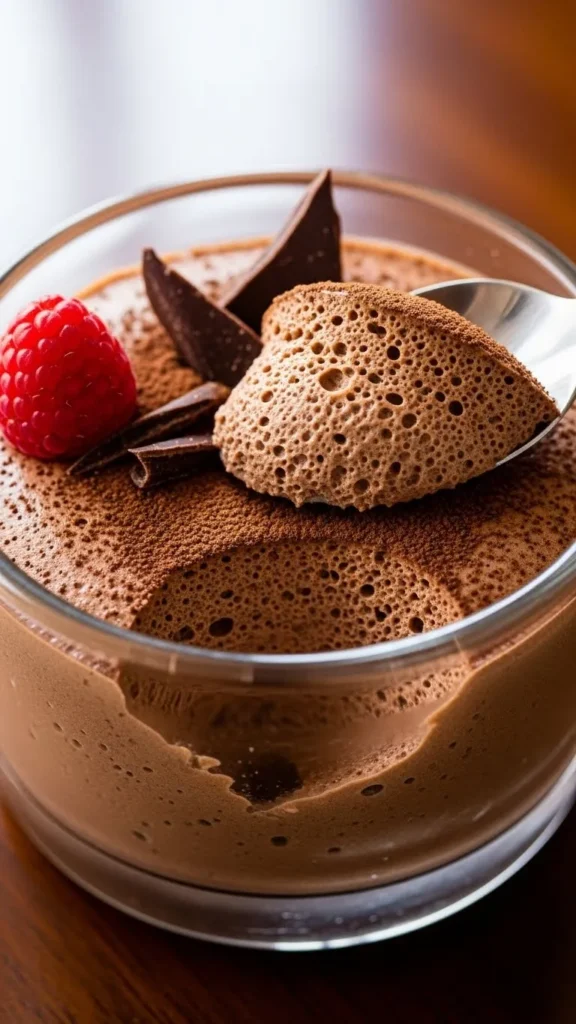
Perfect chocolate mousse feels smooth, fluffy, and slightly aerated. It shouldn’t feel grainy, stiff, or runny. Texture matters more here than almost anywhere else. I judge mousse by how it sits on the spoon. If it gently holds shape but still looks soft, it’s doing its job.
How Chocolate Mousse Should Feel When You Eat It
When you take a bite, it should melt quickly without resistance. No chewing, no heaviness. Just smooth chocolate flavor fading gently. If it feels thick like pudding, it missed some air. If it pours like soup, it missed structure. Balance makes everything work.
Ingredients That Keep It Simple

Chocolate mousse uses very few ingredients, which makes quality non-negotiable. Every ingredient shows up clearly in the final result. There’s no hiding poor choices. I’ve learned that great mousse starts with great chocolate. Everything else supports that decision.
Ingredients
- 6 ounces dark chocolate, chopped
- 3 tablespoons unsalted butter
- 3 large eggs, separated
- ¼ cup granulated sugar
- 1 teaspoon vanilla extract
- 1 cup heavy cream
- Pinch of salt
- Optional: chocolate shavings or cocoa powder for garnish
Instructions
1. Melt chocolate and butter:
Place the chopped dark chocolate and butter in a heatproof bowl. Melt over a double boiler or in 20-second intervals in the microwave, stirring until smooth. Let it cool slightly.
2. Whip egg yolks:
In a separate bowl, whisk the egg yolks with half of the sugar until pale and creamy. Add vanilla extract and mix well.
3. Combine chocolate and yolks:
Gently fold the melted chocolate mixture into the egg yolks until smooth. Set aside.
4. Beat egg whites:
In another clean bowl, beat the egg whites with a pinch of salt until soft peaks form. Gradually add the remaining sugar and beat until stiff peaks form.
5. Whip the cream:
In a separate bowl, whip the heavy cream until soft peaks form.
6. Fold egg whites and cream:
Gently fold the whipped cream into the chocolate-yolk mixture. Then carefully fold in the beaten egg whites in batches, preserving the light, airy texture.
7. Chill the mousse:
Transfer the mousse into individual serving dishes or a large bowl. Chill in the refrigerator for at least 2 hours, or until set.
8. Serve and garnish:
Before serving, optionally garnish with chocolate shavings, cocoa powder, or a dollop of whipped cream. Enjoy!
Chocolate Choice Matters a Lot Here
Chocolate drives this dessert completely. I usually use dark chocolate around 60–70% cocoa. It tastes rich without overpowering the mousse. Milk chocolate works but turns very sweet fast. Extra-dark can taste sharp and intense. Ever had mousse that felt aggressive? Chocolate choice caused that.
Tips for Picking the Right Chocolate
- Use bar chocolate, not chips
- Avoid waxy or cheap brands
- Taste before melting
- Check cocoa percentage for balance
The Role of Air (AKA the Magic)
Air creates mousse’s signature texture. Whipped cream, beaten egg whites, or both introduce that lightness. Folding technique decides everything. I learned fast that aggressive mixing kills mousse. Gentle folding keeps air intact and texture fluffy.
How to Fold Without Ruining It
- Use a spatula, not a whisk
- Fold slowly from bottom to top
- Stop as soon as combined
- Avoid stirring motions
Egg-Based vs. Egg-Free Mousse
Chocolate mousse comes in a few variations. Some use eggs for richness and structure, while others skip eggs entirely and rely on cream. Both work, but they feel slightly different. I use egg-based versions when I want traditional richness. Egg-free versions feel simpler and faster.
How the Two Versions Compare
Egg-based mousse feels silkier and more classic. Egg-free mousse feels lighter and quicker to make. Flavor stays excellent in both cases. If raw eggs make you uncomfortable, egg-free mousse solves that easily. Choice comes down to preference, not quality.
Chilling Time Changes Everything
Chocolate mousse needs time to chill. Fresh mousse feels loose and unstable. After chilling, texture firms up and flavor deepens. I always give it at least two hours in the fridge. Longer chilling only improves things.
Why Chilling Matters
- Texture stabilizes
- Air sets in place
- Chocolate flavor deepens
- Spoonability improves
Serving Chocolate Mousse
Chocolate mousse looks best when served simply. Small glasses, bowls, or jars work beautifully. Over-serving ruins the balance because it’s rich. I usually keep portions modest. People can always ask for more.
Best Ways to Serve It
- Plain with shaved chocolate
- With whipped cream for extra lightness
- With berries for contrast
- With espresso or coffee on the side
Storage Tips to Keep It Fresh
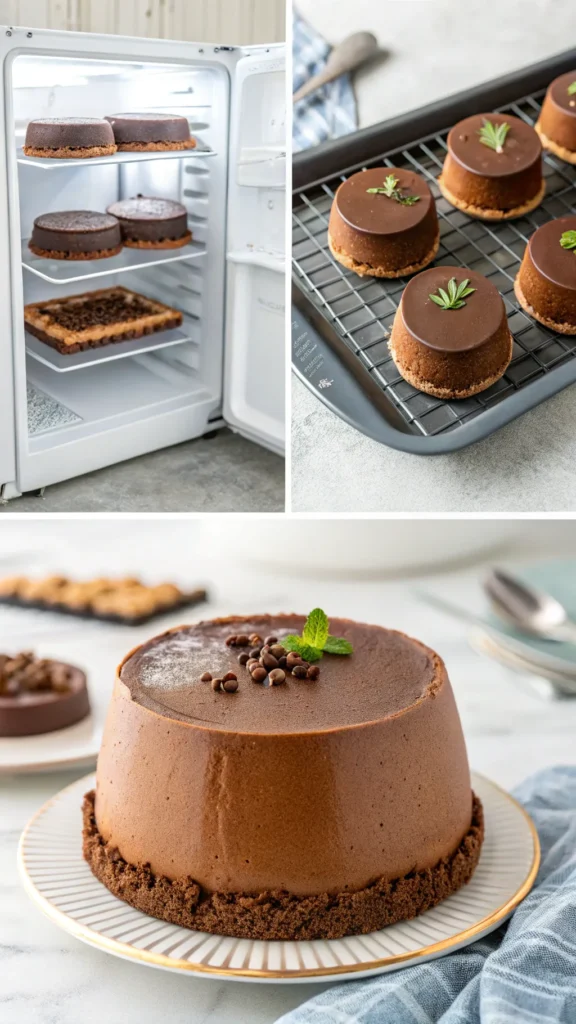
Chocolate mousse stores well in the fridge if covered properly. Air exposure dries it out and ruins texture. I usually make it the day before serving. It tastes better after resting. Fresh mousse always wins, but short storage works fine.
How to Store Chocolate Mousse
- Refrigerator: Up to 3 days, covered tightly
- Avoid freezing, texture suffers
- Keep sealed to prevent drying
Common Mistakes to Avoid
Mousse looks simple, but small mistakes show up fast. Most issues come from rushing or overmixing. Once you respect the process, results stay consistent. Details matter more than effort here.
Things That Can Go Wrong
- Overmixing, which deflates air
- Overheating chocolate, causing graininess
- Skipping chilling time, ruining texture
- Low-quality chocolate, flattening flavor
Why Chocolate Mousse Always Feels Impressive
Chocolate mousse feels fancy without stress. It delivers elegance, flavor, and texture with minimal ingredients and no oven required. That combination feels powerful. I’ve served it at dinner parties, casual meals, and holidays. It always gets compliments, and that never gets old.
Who Chocolate Mousse Is Perfect For
- Chocolate lovers
- No-bake dessert fans
- Elegant dinner desserts
- Make-ahead treats
Final Thoughts
Chocolate mousse proves that light desserts can still feel indulgent. With good chocolate, gentle folding, and enough chilling time, it delivers smooth, airy perfection. No baking, no stress, just chocolate doing what it does best. If you want a dessert that feels luxurious without complicated steps, chocolate mousse belongs in your rotation. Make it once, and you’ll understand why it never goes out of style.