
Fresh Orange Cake

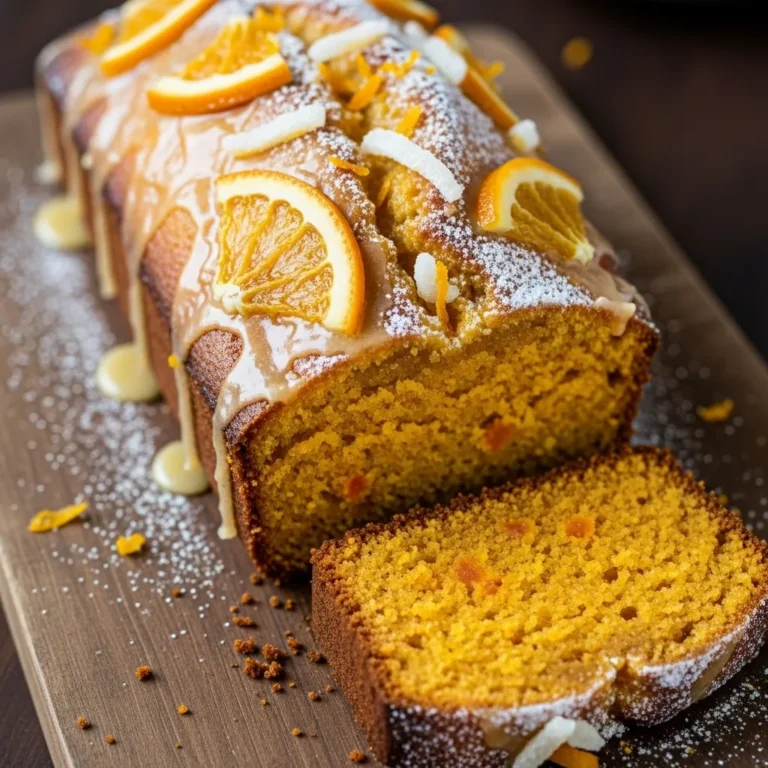
Fresh orange cake feels like one of those recipes that instantly lifts your mood before it even finishes baking. The smell alone does half the work, filling the kitchen with that bright, citrusy warmth that somehow feels both cozy and refreshing. I bake this cake when I want something homemade, honest, and full of real flavor, not artificial shortcuts. It’s simple, soft, and exactly what you expect when you hear the words fresh orange cake. This isn’t a heavy celebration cake or a frosting-loaded dessert. It’s the kind of cake you slice casually, serve with tea, and then quietly cut another piece because it tastes that good.
Why Fresh Orange Cake Hits Different
There’s a noticeable difference between cakes made with fresh oranges and ones that rely on extracts or bottled juice. Fresh oranges bring natural sweetness, gentle acidity, and fragrant oils that make the flavor feel alive. Ever notice how fresh citrus just tastes cleaner? This cake leans into that freshness without trying too hard.
What Makes This Cake So Soft and Moist
Moisture plays a huge role in how satisfying a cake feels. Fresh orange juice adds liquid, while oil or butter keeps the crumb tender. When these elements work together, the cake stays soft even after it cools completely. Mixing gently matters just as much as ingredients. I always stop stirring the moment everything comes together. Overmixing tightens the crumb fast, and nobody wants a dense orange cake pretending to be soft.
The Power of Fresh Orange Juice and Zest
Fresh juice gives the cake moisture and subtle sweetness, but zest does the real heavy lifting. Orange zest contains essential oils that bring depth and aroma you can’t get from juice alone. Skip it, and the cake tastes flat. I zest the oranges before juicing them because it’s easier and cleaner. That small step makes a big difference in how vibrant the final cake tastes.
Simple Ingredients That Actually Matter
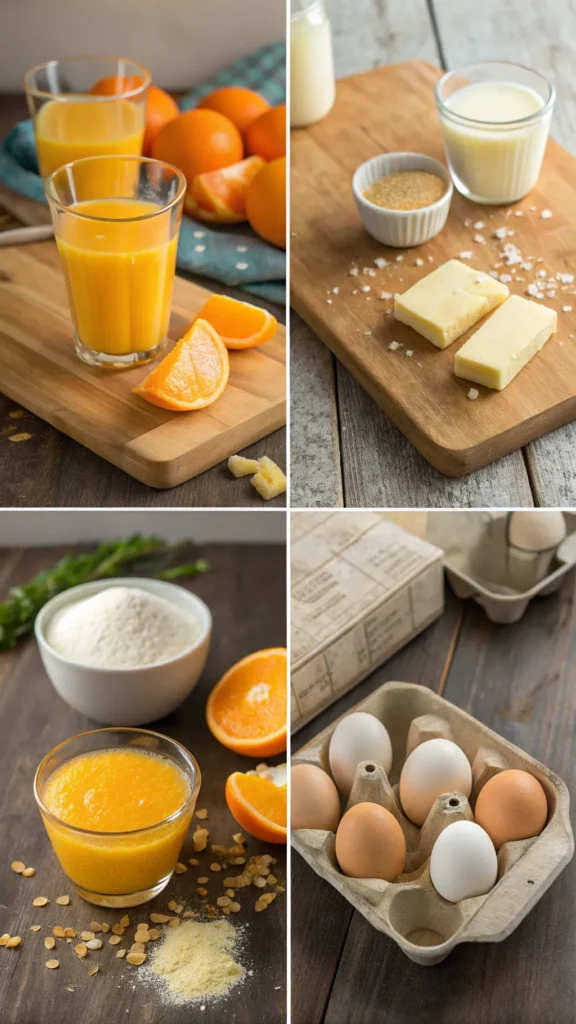
This recipe keeps the ingredient list short, which I genuinely appreciate. Each ingredient serves a purpose, and nothing feels extra or decorative. When simple ingredients work together like this, the result feels effortless. Key ingredients include:
Cake:
- 1 ½ cups all-purpose flour
- 1 ½ teaspoons baking powder
- ½ teaspoon baking soda
- ¼ teaspoon salt
- ¾ cup granulated sugar
- ½ cup unsalted butter, softened
- 2 large eggs
- ½ cup fresh orange juice (about 2 oranges)
- 1 tablespoon orange zest
- ½ cup milk
- 1 teaspoon vanilla extract
Orange Glaze (optional):
- ½ cup powdered sugar
- 2–3 tablespoons fresh orange juice
Step-by-Step Instructions for Fresh Orange Cake
1. Preheat oven and prepare pan:
Preheat your oven to 350°F (175°C). Grease and flour an 8- or 9-inch round cake pan, or line it with parchment paper.
2. Mix dry ingredients:
In a medium bowl, whisk together flour, baking powder, baking soda, and salt. Set aside.
3. Cream butter and sugar:
In a large bowl, beat softened butter and granulated sugar until light and fluffy. Add eggs, one at a time, beating well after each addition.
4. Add orange flavorings:
Mix in fresh orange juice, orange zest, and vanilla extract until well combined.
5. Combine wet and dry ingredients:
Gradually add the dry ingredients to the wet mixture, alternating with milk. Mix until smooth, but avoid overmixing to keep the cake light and tender.
6. Bake the cake:
Pour the batter into the prepared pan and smooth the top. Bake in the preheated oven for 30–35 minutes, or until a toothpick inserted in the center comes out clean.
7. Cool and glaze (optional):
Allow the cake to cool in the pan for 10 minutes, then transfer to a wire rack. For extra flavor, whisk powdered sugar and fresh orange juice to make a glaze, and drizzle over the cooled cake.
8. Serve:
Slice and serve the cake as is or with a dollop of whipped cream. Enjoy the fresh citrusy flavor in every bite!
Choosing the Right Oranges
Sweet oranges work best here. Navel and Valencia oranges offer plenty of juice without bitterness, and their zest smells amazing. Sour or underripe oranges can throw off the balance and make the cake taste sharp. If the oranges smell good before you cut them, you’re already on the right track. Freshness shows up clearly in this recipe.
Mixing the Batter the Right Way
This cake doesn’t need a mixer, which honestly feels refreshing. A bowl and whisk handle everything just fine. You’ll mix the wet ingredients first, then gently fold in the dry ingredients. The batter should look smooth and pourable, not thick or elastic. Once the flour disappears, stop mixing. That’s your cue to move on.
Best Pan Options for Fresh Orange Cake
You can bake this cake in a loaf pan, round pan, or even a square pan. I usually choose a loaf pan for easy slicing and a cozy presentation. Round pans work well if you plan to add a glaze or light frosting. Just remember that pan size affects baking time. Thicker cakes need a bit more patience in the oven.
Knowing When the Cake Is Done
This cake gives clear signs when it’s ready. The top turns lightly golden, the edges pull away slightly, and the center feels set. A toothpick should come out with a few moist crumbs. Don’t wait for complete dryness. Slight moisture means the cake stays soft after cooling, which is exactly what you want.
Glaze or No Glaze?
Fresh orange cake tastes great on its own, but a light glaze takes it up a notch. A simple mix of powdered sugar and fresh orange juice adds shine and a little extra citrus punch. It also soaks slightly into the top, which helps lock in moisture. If you prefer a more understated dessert, skip the glaze and dust with powdered sugar. Both versions feel right depending on the moment.
Texture and Flavor Expectations

The texture stays soft, tender, and evenly crumbed. It slices cleanly without crumbling apart. The flavor feels fresh and natural, not overly sweet or artificial. You taste orange first, followed by gentle sweetness and a mild richness. It’s balanced enough that one slice never feels like enough. Funny how that works, right?
Common Mistakes to Avoid
Overmixing remains the biggest issue with this cake. Stir just until combined and walk away. Overbaking comes in a close second, so start checking early. Another mistake is skipping zest. Juice alone won’t give you that fresh orange aroma everyone loves.
How to Store Fresh Orange Cake

Once cooled, wrap the cake tightly or store it in an airtight container. It stays fresh at room temperature for up to three days. The flavor actually improves after the first day. For longer storage, refrigerate it for up to five days. Let slices come to room temperature before serving for the best texture.
Freezing for Later
Fresh orange cake freezes beautifully. Wrap the whole cake or individual slices tightly in plastic wrap and foil. Freeze for up to two months without losing flavor. Thaw at room temperature and avoid microwaving if possible. Slow thawing keeps the crumb soft and balanced.
Easy Variations to Try
You can add poppy seeds for texture or swap a small portion of the juice with lemon for a citrus blend. Chopped nuts also work if you keep them light. The key is not overloading the batter. Fresh orange flavor should stay front and center.
Serving Ideas That Always Work
Serve this cake with tea, coffee, or a light dusting of powdered sugar for brunch. Add whipped cream or yogurt on the side if you want something extra without overpowering it. It fits casual mornings and relaxed evenings equally well. That flexibility makes it a keeper.
Why This Cake Deserves a Spot in Your Recipe Box
Fresh orange cake delivers comfort without feeling boring. It’s easy to make, forgiving, and packed with real citrus flavor. The kind of recipe you rely on when you want something homemade and dependable. Once you bake it, it tends to become one of those quiet favorites you keep coming back to. Simple, fresh, and genuinely satisfying, sometimes that’s all a good cake needs.
Conclusion
Fresh orange cake is one of those recipes that proves simplicity really works. Using real oranges gives the cake a bright, natural flavor that feels comforting and fresh at the same time. The soft texture, gentle sweetness, and easy preparation make it perfect for everyday baking or casual gatherings. Whether you enjoy it plain, lightly glazed, or dressed up with a few simple toppings, this cake delivers consistent results without stress. It’s the kind of recipe that earns a permanent place in your kitchen because it always turns out just right.