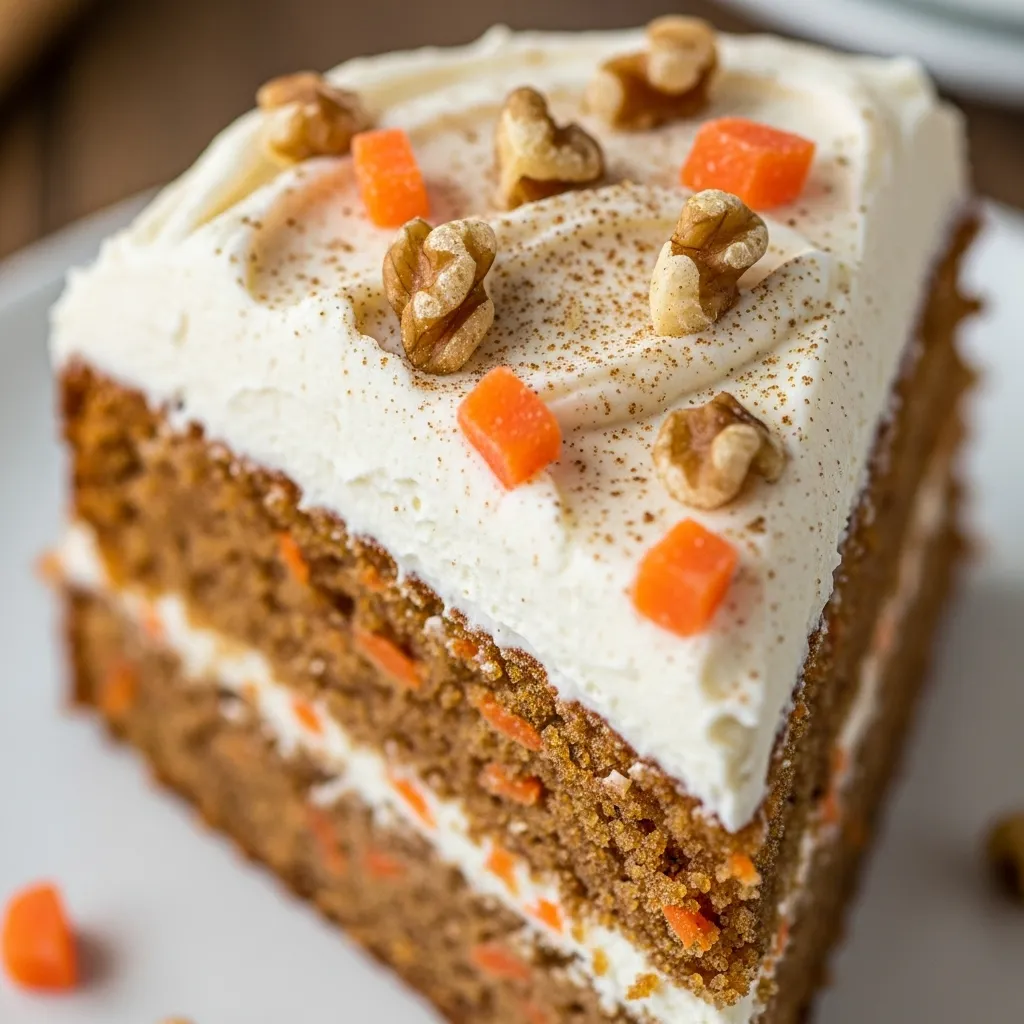
Greek Yogurt Carrot Cake
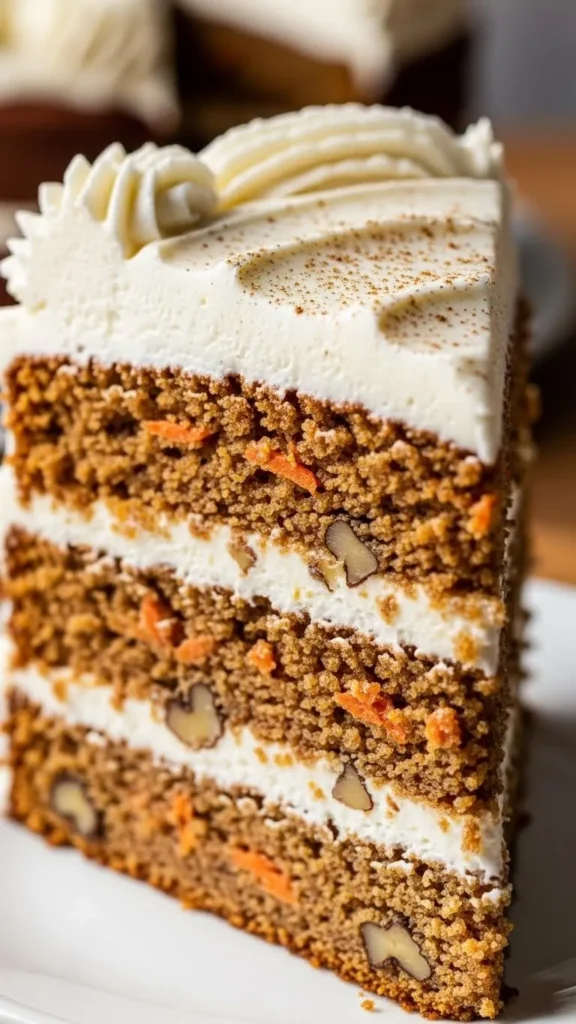
Carrot cake has a reputation for being either amazing or weirdly dense, and there’s rarely an in-between. I wanted a version that felt moist, warmly spiced, and comforting without being oily or heavy. That’s exactly why Greek yogurt carrot cake became my go-to when I want classic flavor with a lighter feel. This cake still delivers that cozy carrot cake vibe we all love. It just skips the unnecessary heaviness and lets the flavors shine. Ever wanted carrot cake that feels indulgent but not exhausting? Same, and this one absolutely delivers.
Why Greek Yogurt Makes Carrot Cake Better
Greek yogurt works beautifully in carrot cake because it adds moisture without weighing things down. Carrot cake already has a lot going on, so balance really matters here. I’ve baked versions without yogurt, and they always felt greasier and less fresh. The slight tang from Greek yogurt also plays nicely with warm spices. It keeps the sweetness in check and makes each bite feel more balanced. Ever had carrot cake that tasted sweet but dull? This fixes that fast.
Greek Yogurt vs Traditional Heavy Ingredients
Classic carrot cake recipes rely heavily on oil. That works, but it can make the cake feel dense and overly rich. Greek yogurt steps in to lighten things up while keeping the texture soft. Here’s why it works so well:
- Keeps the cake moist without excess oil
- Adds protein naturally
- Balances sweetness
- Helps the cake stay soft for days
Ingredients You’ll Need
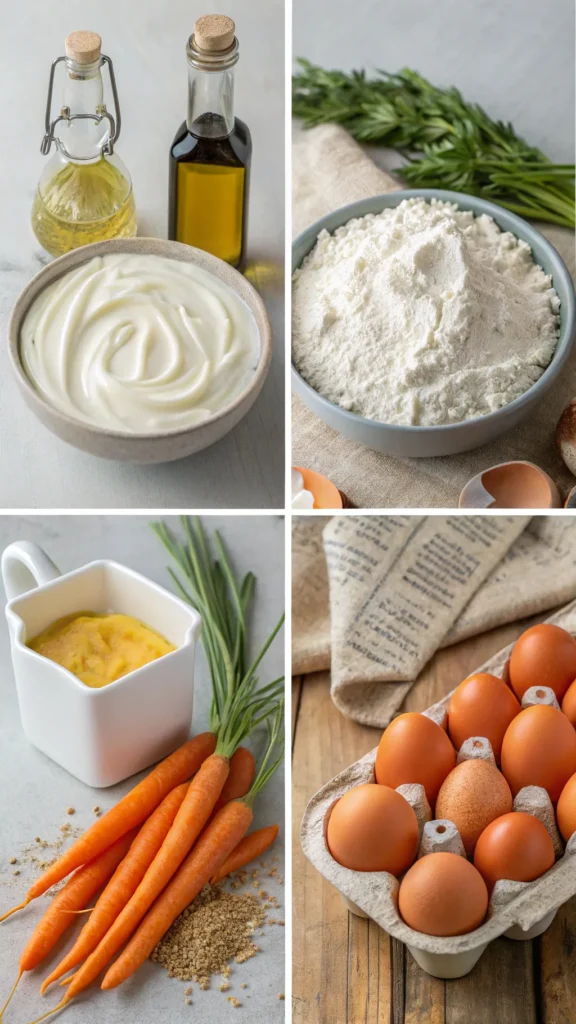
This recipe sticks to familiar ingredients, which makes it easy and approachable. Nothing fancy, nothing hard to find, just solid baking basics that work together.
Cake:
- 1 ½ cups all-purpose flour
- 1 teaspoon baking powder
- ½ teaspoon baking soda
- ½ teaspoon salt
- 1 teaspoon ground cinnamon
- ¼ teaspoon ground nutmeg
- ½ cup granulated sugar
- ¼ cup brown sugar
- ½ cup vegetable oil
- ½ cup Greek yogurt
- 2 large eggs
- 1 teaspoon vanilla extract
- 1 ½ cups grated carrots
- ½ cup chopped walnuts or pecans (optional)
- ½ cup unsweetened shredded coconut (optional)
Frosting (optional):
- 8 ounces cream cheese, softened
- ¼ cup Greek yogurt
- ¼ cup powdered sugar
- ½ teaspoon vanilla extract
Step-by-Step Instructions for Greek Yogurt Carrot Cake
1. Preheat oven and prepare pan:
Preheat your oven to 350°F (175°C). Grease and flour a 9-inch round cake pan or line it with parchment paper.
2. Mix dry ingredients:
In a medium bowl, whisk together flour, baking powder, baking soda, salt, cinnamon, and nutmeg. Set aside.
3. Mix wet ingredients:
In a large bowl, combine granulated sugar, brown sugar, vegetable oil, Greek yogurt, eggs, and vanilla extract. Beat until smooth and well incorporated.
4. Combine wet and dry ingredients:
Gradually add the dry ingredients to the wet mixture, stirring until fully combined. Do not overmix.
5. Add carrots and optional mix-ins:
Fold in grated carrots, nuts, and shredded coconut until evenly distributed throughout the batter.
6. Bake the cake:
Pour the batter into the prepared pan and smooth the top. Bake for 30–35 minutes, or until a toothpick inserted into the center comes out clean. Allow the cake to cool completely.
7. Prepare frosting (optional):
In a medium bowl, beat cream cheese, Greek yogurt, powdered sugar, and vanilla extract until smooth. Spread over the cooled cake.
8. Serve:
Slice and enjoy your moist, flavorful Greek Yogurt Carrot Cake. Optional: garnish with extra nuts or a light dusting of cinnamon.
The Flavor Profile: Warm, Cozy, and Balanced
This carrot cake leans into warm spices without overpowering the carrots. Cinnamon and nutmeg add comfort, while the carrots bring natural sweetness. The result feels rich but not heavy. I love that the flavors deepen as the cake rests. Ever noticed how carrot cake tastes even better the next day? This one absolutely follows that rule.
Why Carrots Matter More Than You Think
Carrots aren’t just here for tradition. They add moisture, texture, and subtle sweetness that sugar alone can’t replicate. Good carrot prep makes a difference:
- Finely grate carrots for even texture
- Avoid pre-shredded carrots
- Don’t squeeze out moisture
- Fold gently into the batter
Texture: Moist, Soft, and Never Greasy

Texture is where this cake really shines. It feels soft and tender with just enough density to hold together. Greek yogurt keeps the crumb moist without making it oily. Even after a day or two, the cake stays fresh. Ever had carrot cake dry out too quickly? That doesn’t happen here.
Why This Texture Works
- Yogurt locks in moisture
- Oil keeps crumbs tender
- Eggs provide structure
- Proper leavening adds lift
Baking Tips for Perfect Carrot Cake
Carrot cake forgives a lot, but a few tips make it even better. First, don’t overmix the batter. Stir just until combined and stop. Second, watch your bake time closely. Overbaking dries out carrot cake faster than you’d expect. Ever baked a cake that looked fine but tasted dry? Same mistake.
Helpful Baking Tips
- Use room-temperature ingredients
- Finely grate the carrots
- Line the pan for easy removal
- Let the cake cool fully before frosting
Frosting Options That Pair Perfectly
Carrot cake and frosting go hand in hand, but you don’t need a thick layer to make it great. I usually keep frosting light so the cake stays the star. Some frosting ideas that work beautifully:
- Greek yogurt cream cheese frosting
- Light cream cheese frosting
- Vanilla yogurt glaze
- Simple powdered sugar drizzle
Serving Ideas for Any Occasion
This cake works for casual afternoons and special occasions alike. I’ve served it plain with coffee and dressed it up for celebrations. Same recipe, totally different energy. Add chopped nuts or shredded coconut on top if you want extra texture. Not required, but definitely fun.
Ways to Serve It
- With coffee or tea
- As a layered cake
- Cut into snack squares
- Lightly chilled or room temperature
Storage and Shelf Life
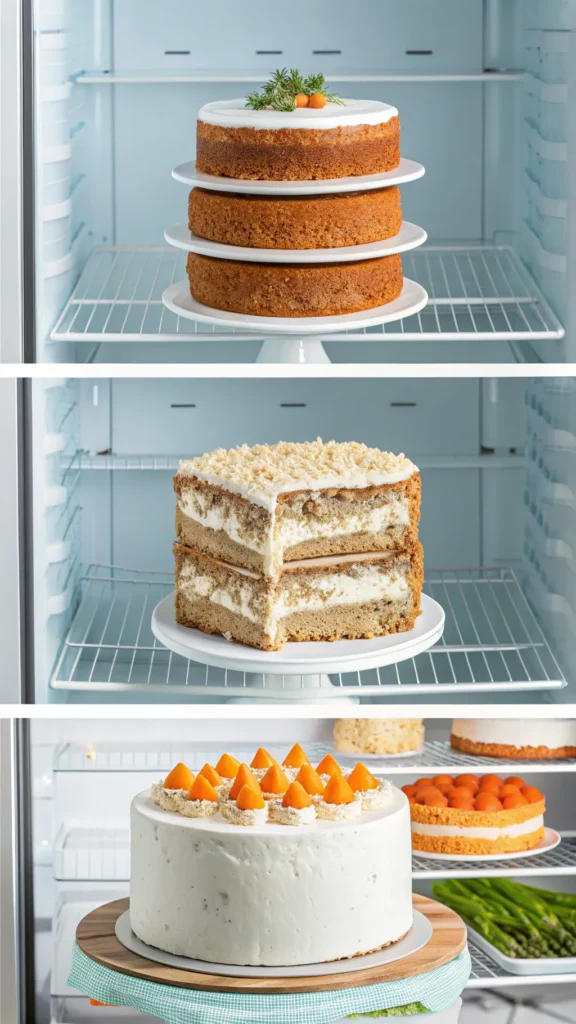
Greek yogurt carrot cake stores beautifully. It stays moist longer than most cakes, which makes it great for baking ahead. Honestly, it’s one of those cakes that improves overnight. Store it properly and enjoy it for days. Ever noticed how some cakes taste better on day two? This is one of them.
How to Store It
- Room temperature: up to 2 days, covered
- Refrigerator: up to 5 days
- Freezer: up to 2 months, wrapped well
Is Greek Yogurt Carrot Cake Healthier?
It’s still cake, but it’s a smarter version. It uses less oil, adds protein, and avoids that heavy, greasy feeling. Balance matters more than perfection here. If you want carrot cake you can enjoy without regret, this one fits nicely. Ever wanted classic cake that feels lighter? This does that.
Who This Cake Is Great For
- Carrot cake lovers
- People wanting lighter desserts
- Home bakers wanting consistent results
- Anyone who loves cozy flavors
Final Thoughts
Greek yogurt carrot cake proves that small swaps can completely change how a classic dessert feels. You still get warm spices, moist texture, and real comfort, just without the heaviness. If carrot cake is your thing and you want a version that feels balanced and dependable, this one deserves a spot in your recipe collection. Bake it once, and it might quietly replace your old favorite. Honestly, that wouldn’t surprise me at all.