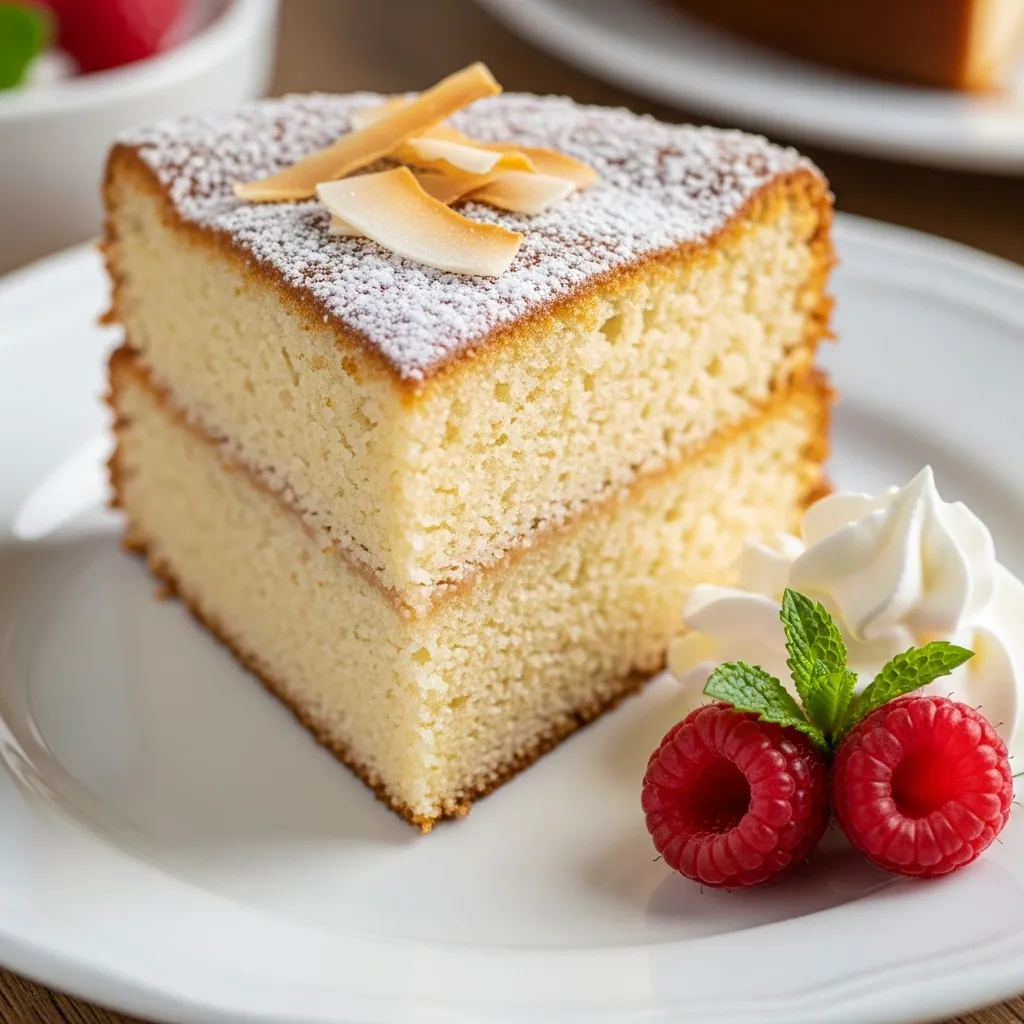
Keto Coconut Flour Cake
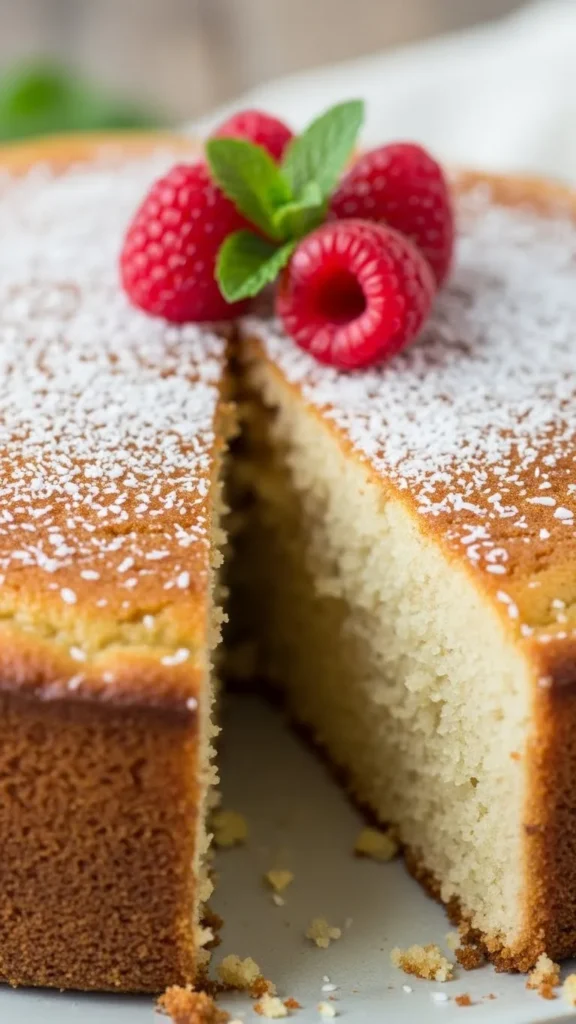
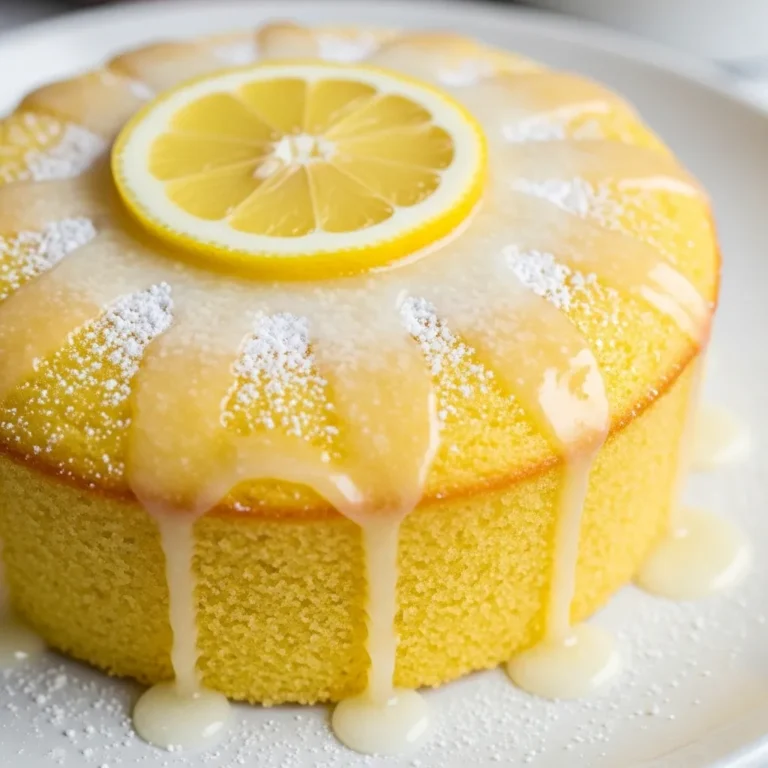
Keto Coconut Flour Cake is a light, fluffy, and naturally gluten-free dessert that’s perfect for anyone following a low-carb lifestyle. Unlike traditional cakes, this one uses coconut flour, which is high in fiber and low in carbs, giving it a slightly sweet and nutty flavor. I love it because it’s easy to bake, soft, and full of natural flavor without any sugar overload. This cake works beautifully for birthdays, tea-time snacks, or a simple dessert when you want something sweet but guilt-free. The coconut flour keeps it moist and tender while giving it a delicate crumb that melts in your mouth. It’s proof that keto baking doesn’t have to be dense or dry.
Why This Keto Coconut Flour Cake Works
This cake works because it balances coconut flour, eggs, and keto-friendly sweeteners to create a light and airy texture. Coconut flour behaves differently than almond flour, it absorbs a lot of moisture, so recipes must include enough eggs and liquid to keep the cake soft. The eggs give structure, and the butter or oil keeps it tender, while keto sweeteners like erythritol provide just the right amount of sweetness. Together, these ingredients make a cake that’s light, moist, and satisfying.
Choosing the Right Ingredients
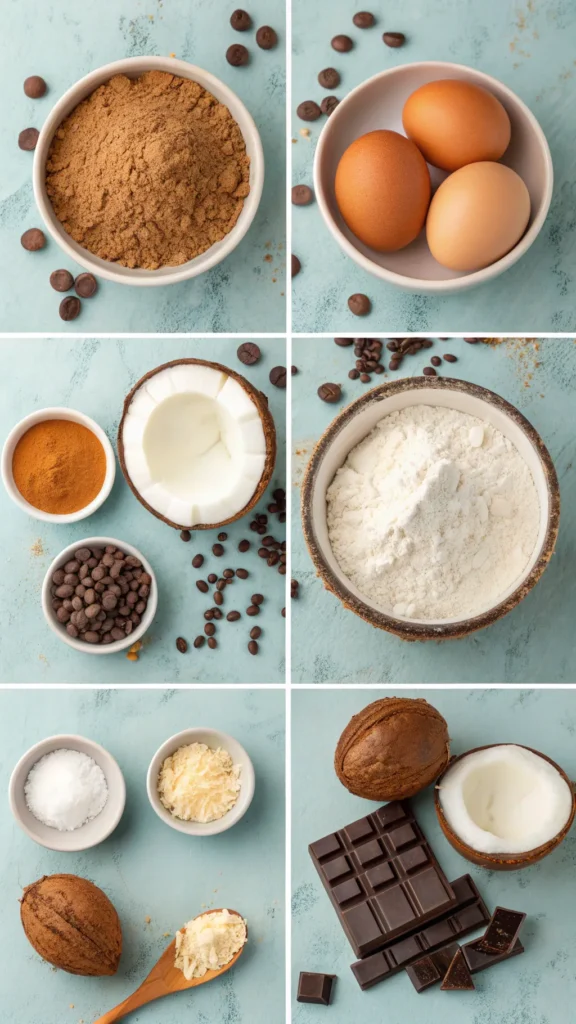
High-quality ingredients make all the difference in keto baking. Use fine, unsweetened coconut flour, not shredded coconut. This ensures a smooth texture rather than a dense or gritty cake. Eggs and butter should be room temperature to help the batter mix evenly and rise properly.
Cake Ingredients:
- ½ cup coconut flour, finely sifted
- 1 cup almond flour (optional for added structure and moisture)
- 1 teaspoon baking powder
- ¼ teaspoon baking soda
- ¼ teaspoon salt
- ½ cup unsalted butter, softened (or coconut oil)
- ¾ cup powdered erythritol (or preferred keto sweetener)
- 6 large eggs, room temperature
- 2 teaspoons vanilla extract
- ½ teaspoon coconut extract (optional for extra coconut flavor)
- ¼ cup unsweetened almond milk (optional, for slightly thinner batter)
Optional Frosting/Topping:
- Keto-friendly coconut cream frosting or sugar-free whipped cream
- Toasted shredded coconut or chopped nuts for garnish
- Fresh berries for decoration
Preparing the Batter
Preheat your oven to 350°F (175°C) and grease a 9-inch round cake pan. In a mixing bowl, cream the butter and sweetener until smooth and slightly fluffy. This step helps the cake rise evenly and gives it a tender crumb.
Beat in the eggs one at a time, then stir in vanilla extract. In a separate bowl, combine coconut flour, baking powder, and salt. Gradually fold the dry ingredients into the wet ingredients. Coconut flour absorbs a lot of moisture, so the batter will be thicker than traditional cake batter. Don’t worry, it’s supposed to be that way.
Baking Time and Tips
Check doneness with a toothpick in the center, it should come out clean or with a few crumbs. Allow the cake to cool completely in the pan for 10 minutes, then transfer to a wire rack. Cutting too early can make it crumble. Because coconut flour is highly absorbent, the cake will bake faster than regular cakes.
- Prep time: 15 minutes
- Baking time: 25–30 minutes
- Cooling time: 15 minutes
Texture and Flavor
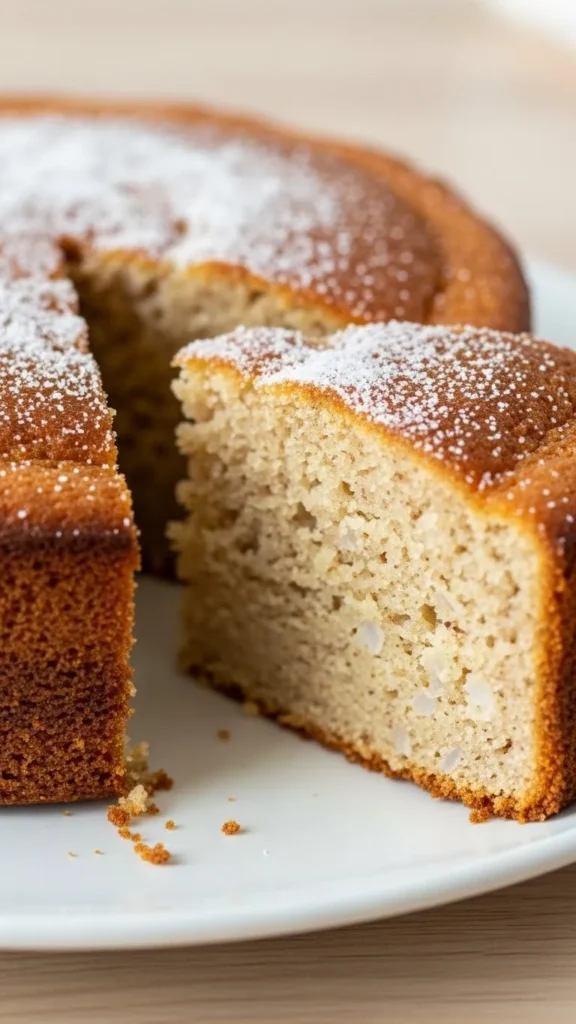
Keto Coconut Flour Cake is moist, tender, and slightly dense with a subtle coconut flavor. The texture is soft and crumbly, yet holds together well. Each bite has a gentle sweetness that complements the natural coconut taste.
Texture & Flavor Highlights:
- Moist and tender crumb
- Light coconut flavor
- Slightly dense but soft and fluffy
- Sweetened naturally with keto-friendly sweeteners
Serving Suggestions
This cake is versatile. Enjoy it plain, dusted with powdered erythritol, or frosted with keto-friendly options. Coconut cream frosting or sugar-free whipped cream works beautifully. You can also top it with berries, shredded unsweetened coconut, or a light chocolate drizzle.
Serving Ideas:
- Serve at room temperature for best flavor
- Top with coconut cream frosting or whipped cream
- Garnish with fresh berries or toasted coconut
- Slice into small squares for a keto-friendly snack
Storing the Cake
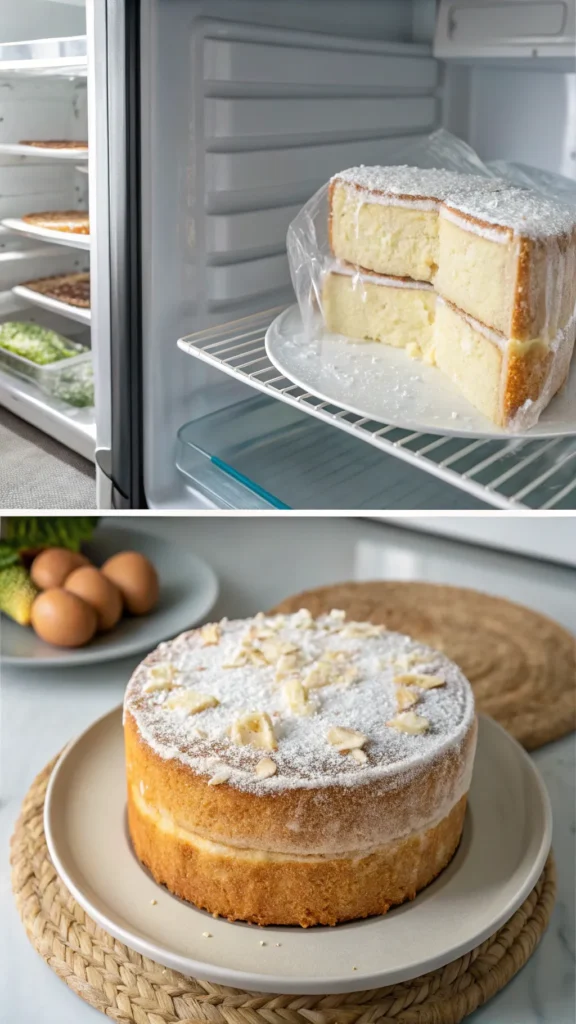
Store the cake in an airtight container to maintain freshness. At room temperature, it lasts 2–3 days. Refrigerated (especially if frosted), it lasts up to 5 days. Freeze individual slices for up to 2 months; thaw in the refrigerator before serving.
Storing Guidelines:
- Room temperature: 2–3 days
- Refrigerated (with frosting): up to 5 days
- Frozen: up to 2 months, thaw before serving
- Keep frosting separate if freezing
Variations to Try
These variations keep the cake low-carb while adding flavor and texture changes to suit your preferences. There are many ways to make this cake interesting:
- Add unsweetened cocoa powder for a chocolate coconut version
- Fold in sugar-free chocolate chips or shredded coconut
- Add a teaspoon of cinnamon or nutmeg for warmth
- Top with nuts, berries, or sugar-free chocolate drizzle
Chef’s Special Tips
- Use fine, unsweetened coconut flour for the best texture.
- Make sure eggs and butter are at room temperature for smooth batter.
- Fold dry ingredients gently to maintain lightness.
- Grease the pan and use parchment paper for easy removal.
- Let the cake cool completely before slicing or frosting.
Why Keto Coconut Flour Cake Is So Comforting
This cake is comforting because it’s soft, lightly sweet, and full of natural coconut flavor. Every bite melts in your mouth, and it feels indulgent without the sugar guilt. The subtle nutty flavor and tender texture make it perfect for any occasion, from a quick snack to a celebratory dessert. It’s a great reminder that keto desserts can be delicious, satisfying, and comforting at the same time.
Conclusion
Keto Coconut Flour Cake proves that low-carb baking can be simple, delicious, and satisfying. Moist, tender, and lightly sweet, it’s perfect for birthdays, tea-time, or anytime you crave a keto-friendly dessert. Once you try it, it’s likely to become a staple in your keto baking rotation. Soft, flavorful, and versatile, this cake is a must-try for anyone looking to enjoy dessert without sugar or excess carbs.