
Microwave Chocolate Custard

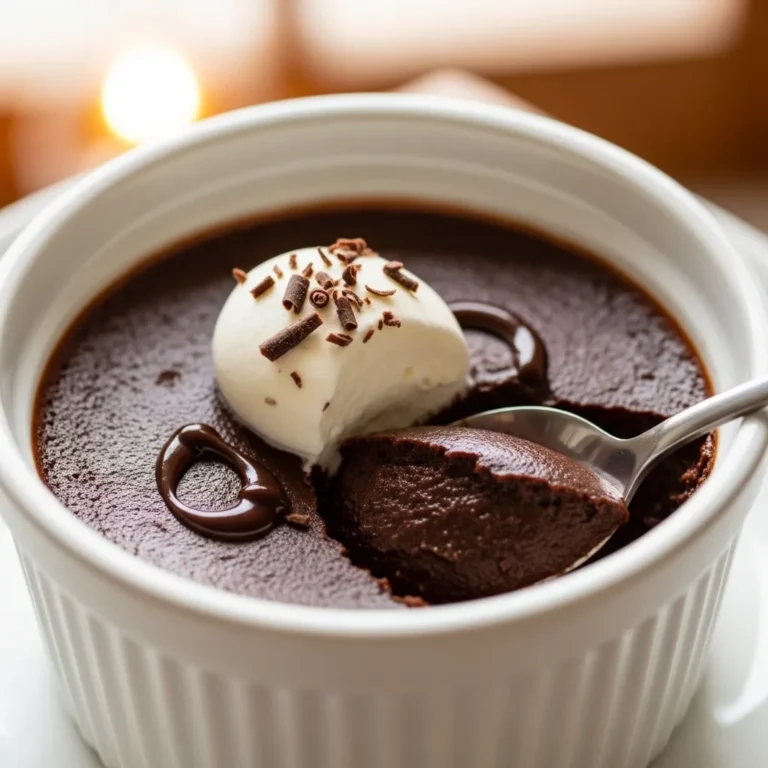
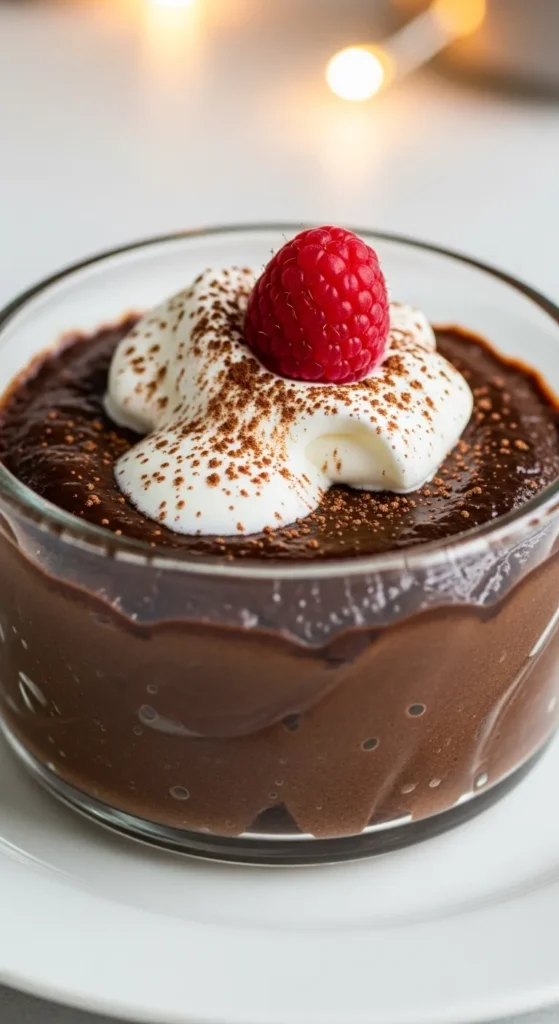
If vanilla custard is a comforting blanket, Chocolate Custard is a warm, decadent embrace. It occupies that luxurious middle ground between a chocolate pudding and a pot de crème, thicker and richer than a pudding, but more delicate and “spoonable” than a ganache. Traditionally, achieving this texture involves a slow simmer on the stove, a heavy-bottomed pan, and the constant fear of the chocolate seizing or the eggs curdling into a sweet scramble. The Microwave Chocolate Custard is a masterstroke of modern convenience. By using controlled bursts of microwave energy, you can temper the eggs and melt the chocolate simultaneously, creating a glossy, uniform cream in under ten minutes. It is a sophisticated, “grown-up” dessert that requires zero specialized equipment and yields results that feel like they belong in a Parisian bistro.
The Chemistry of Chocolate and Eggs
To master this dish, one must understand the two primary components: fat and protein.
- The Emulsion: Chocolate is an emulsion of cocoa solids and fats. When heated in a microwave with milk, it can be temperamental. If it gets too hot too fast, the fats separate. However, the proteins in the milk and the egg yolks act as stabilizers. They “wrap” around the chocolate particles, keeping them suspended in a silky liquid state.
- The Protein Set: Unlike a cornstarch-based pudding, a true custard relies on egg proteins for its structure. As the microwave heats the mixture, these proteins uncoil and then link together to form a delicate web. This web traps the milk and chocolate, creating that signature “melt-in-your-mouth” texture. The key is to stop just before the eggs reach a full boil; the residual heat will finish the thickening process without toughening the proteins.
Ingredients: The Dark & The Decadent
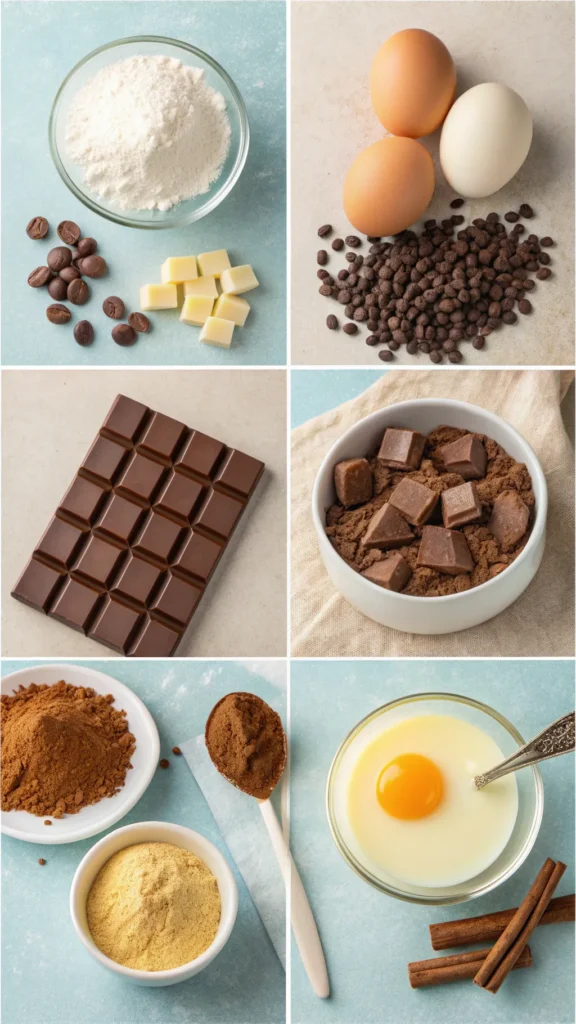
With chocolate custard, the quality of your cocoa or chocolate bar is the single most important factor.
- 1 ½ cups Whole Milk: Provides the necessary fat for a luxurious mouthfeel.
- 3 Large Egg Yolks: The yolks provide the “custard” structure and a rich, golden depth.
- 1/3 cup Granulated Sugar: To balance the bitterness of the chocolate.
- ½ cup Semi-Sweet Chocolate Chips (or chopped dark chocolate): Using real chocolate instead of just cocoa powder gives the custard a fudgy, premium texture.
- 1 tbsp Unsweetened Cocoa Powder: To deepen the color and add a sharp “chocolatey” punch.
- 1 tsp Vanilla Extract: To enhance the cocoa notes.
- A pinch of Salt: The secret ingredient that makes the chocolate taste “more like itself.”
Step-by-Step Instructions
- The Chocolate Melt: In a large, microwave-safe glass bowl, combine the milk and the chocolate chips. Microwave on high for 1 minute. Stir until the chocolate is mostly melted and the milk is warm.
- The Dry Sift: Whisk the cocoa powder, sugar, and salt into the warm milk mixture. If the cocoa powder is lumpy, sift it in to ensure a perfectly smooth base.
- The Yolk Integration: In a separate small bowl, lightly whisk the egg yolks. Gradually pour about ¼ cup of the warm chocolate milk into the yolks (this is called “tempering”) while whisking constantly. This prevents the yolks from cooking instantly when they hit the big bowl.
- The Fusion: Pour the tempered yolks back into the large bowl with the rest of the chocolate mixture. Whisk until uniform.
- The First Zap: Microwave on 50% power (Medium) for 2 minutes.
- The Agitation: Remove the bowl and whisk vigorously. You will notice the mixture starting to thicken slightly.
- The Final Pulse: Microwave for another 1 to 2 minutes at 50% power, stopping every 30 seconds to whisk.
- The Indicator: The custard is done when it is thick enough to coat the back of a spoon and leaves a clear trail when you run your finger through it. It should look like a thick, melted milkshake.
- The Finish: Stir in the vanilla extract.
- The Strain (Crucial): Pour the hot custard through a fine-mesh sieve into individual ramekins or a serving bowl. This catches any tiny bits of egg that may have overcooked, ensuring a “velvet” finish.
- The Chill: Let it cool slightly on the counter, then refrigerate for at least 3 hours. For a “skinless” top, press plastic wrap directly onto the surface.
Troubleshooting & Professional Tips
- The Grainy Texture: If your custard looks grainy, the eggs likely started to overcook. Don’t panic! Whisk in a tablespoon of cold milk and run it through a fine-mesh strainer; usually, the texture can be salvaged.
- The “Seized” Chocolate: Ensure no water gets into your chocolate/milk bowl during the initial melt. Even a drop of water can cause chocolate to “seize” into a gritty paste.
- Use Low Power: High power is for boiling water; medium power is for delicate custards. Using 50% power mimics the gentle, indirect heat of a traditional stovetop double-boiler.
- Don’t Skip the Yolks: While you can make pudding with whole eggs, a true custard requires just the yolks for that superior, buttery richness. Save the whites for a microwave meringue or an omelet!
Creative Variations
- The “Mexican Chocolate” Custard: Add ¼ tsp of ground cinnamon and a tiny pinch of cayenne pepper for a warming, spiced kick.
- The “Mocha” Pot: Stir in 1 tsp of instant espresso powder to the milk before heating.
- Chocolate-Orange: Add the zest of half an orange to the custard while it’s warm, then strain it out before chilling.
- Sea Salt & Olive Oil: Serve the chilled custard with a tiny drizzle of high-quality olive oil and a sprinkle of flaky sea salt for a truly gourmet experience.
Final Thoughts
The Microwave Chocolate Custard is a testament to the fact that luxury doesn’t have to be laborious. It is a rich, deeply satisfying dessert that honors the ingredients and respects your time. It is perfect for an “emergency” dinner party dessert or a solo treat when only the finest chocolate will do. By mastering the art of the 50% power setting and the fine-mesh strainer, you are unlocking a world of professional-grade pastry right in your own kitchen. It is smooth, it is dark, and it is undeniably delicious.