Microwave Oatmeal Cookie with Soft, Chewy Texture

Microwave oatmeal cookie is what you make when you want something cozy, warm, and comforting without committing to a full baking session. You’re craving that oat-filled, slightly chewy goodness, but you don’t feel like waiting or washing dishes. This recipe understands that mood perfectly. It shows up fast and delivers exactly what you hoped for.
Why Microwave Oatmeal Cookies Are So Underrated
Oatmeal cookies already lean soft and hearty, which makes them ideal for microwave cooking. The oats hold moisture well and prevent the cookie from drying out too fast. That natural structure works with the microwave instead of against it. Ever wondered why some cookies fail in the microwave while others shine? Another reason this cookie works is balance. It feels filling without feeling heavy. One cookie actually feels like enough, which isn’t always true with desserts.
How Microwave Baking Affects Oats
Microwaves cook using moisture rather than dry heat, and oats love moisture. They soften quickly while still keeping some chew. That reaction creates a cookie that feels tender instead of tough. You won’t get crispy edges here, and that’s okay. This cookie aims for soft, warm, and comforting, not bakery-style crunch.
Choosing the Right Bowl or Mug
Container choice affects how evenly the cookie cooks. A wide mug or shallow bowl works much better than a tall, narrow one. Even cooking prevents raw centers and rubbery edges. I always choose something microwave-safe with room to spread. Ever had a cookie cook only on the outside? Shape matters more than you think.
Best Containers to Use
- Ceramic mug
- Small glass bowl
- Ramekin
Simple Ingredients That Do the Job
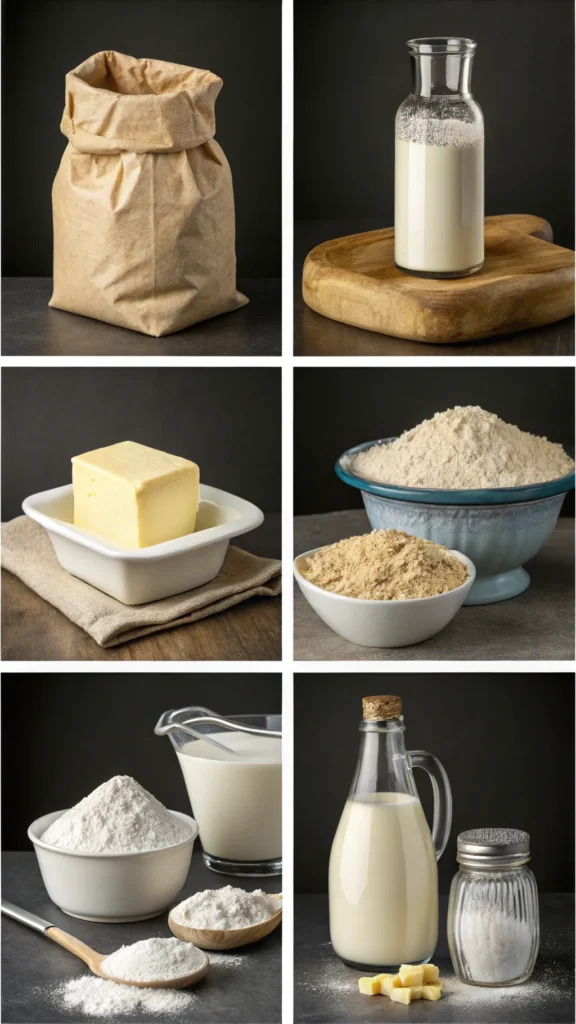
This recipe keeps things pantry-friendly and stress-free. No eggs, no mixers, and no specialty ingredients required. If you bake even occasionally, you already have everything. Everything mixes in one container, which keeps cleanup minimal. That convenience makes this cookie dangerously repeatable.
What You’ll Need
- Rolled oats
- All-purpose flour
- Butter
- Brown sugar
- Milk
- Vanilla extract
- Pinch of salt
Step-by-Step Instructions for Microwave Oatmeal Cookie
1. Prepare the cookie dough:
In a small microwave-safe bowl, combine melted butter, brown sugar, and granulated sugar. Stir until smooth. Add the egg yolk and vanilla extract, mixing well.
2. Mix dry ingredients:
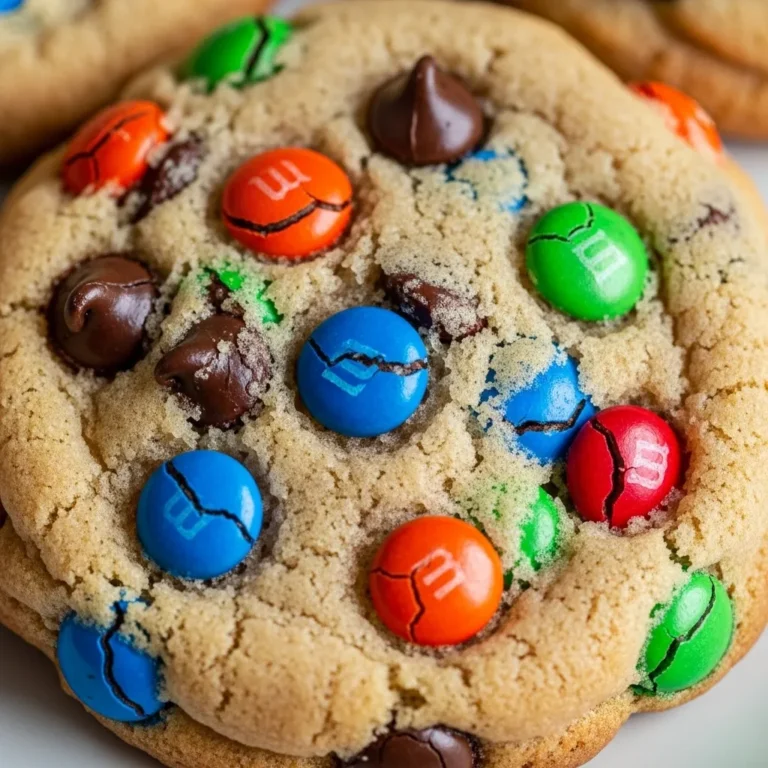
Add a pinch of salt, flour, and rolled oats to the wet mixture. Stir until fully combined. Fold in raisins or chocolate chips if using. The dough should be slightly sticky but manageable.
3. Shape the cookie:
Spoon the dough into a single mound on a microwave-safe plate. Flatten slightly to shape a cookie about 3 inches in diameter.
4. Microwave:
Cook on high for 50–60 seconds. Cooking times may vary depending on your microwave, so start with 50 seconds and check the texture. The cookie should look set but still soft in the center.
5. Cool slightly:
Let the cookie cool for 1–2 minutes to firm up. It will continue to set as it cools, giving it a soft, chewy texture.
6. Serve:
Enjoy warm directly from the microwave, or let it cool completely for a firmer texture. Optional: pair with a glass of milk or a scoop of ice cream.
Why Rolled Oats Work Best
Rolled oats soften nicely in the microwave without turning mushy. Quick oats can work, but they create a softer, more cake-like texture. Steel-cut oats don’t soften enough and stay unpleasantly firm. I stick with rolled oats because they keep that classic oatmeal cookie feel. Texture matters just as much as flavor here.
Why There’s No Egg in This Cookie
Eggs cook unevenly in the microwave and can turn rubbery fast. This recipe skips eggs to avoid that issue completely. Milk provides enough moisture to bind everything together. The cookie stays soft and tender without any weird texture. Simple substitutions sometimes work better than traditional methods.
How I Mix the Dough Without Overthinking It
I melt the butter directly in the mug or bowl first. That saves time and dishes, which always feels like a win. Then I stir in brown sugar, milk, and vanilla until smooth. Dry ingredients come last, and I mix just until combined. Overmixing makes the cookie dense. Gentle stirring keeps it tender.
Mixing Order That Works
- Melt butter
- Stir in sugar and liquids
- Add oats, flour, and salt
- Mix until just combined
Cooking Time Makes All the Difference
Microwave timing decides everything with this cookie. Too long and it dries out. Too short and it stays raw in the middle. I always start low and adjust slowly. Watching the cookie matters more than trusting exact numbers.
Timing Guidelines
- Start with 40–50 seconds
- Check the center
- Add 10-second bursts if needed
What Texture Should You Expect
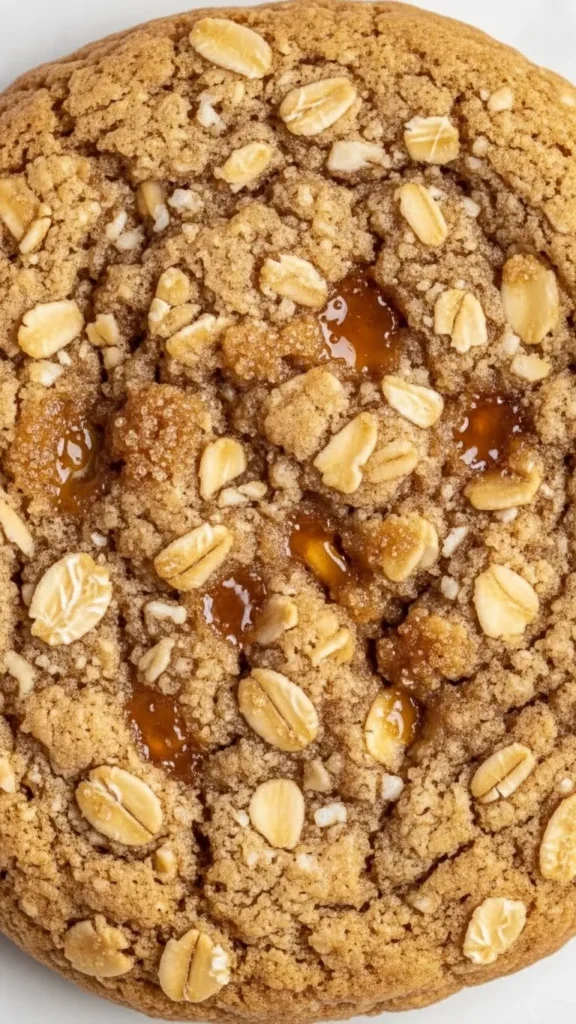
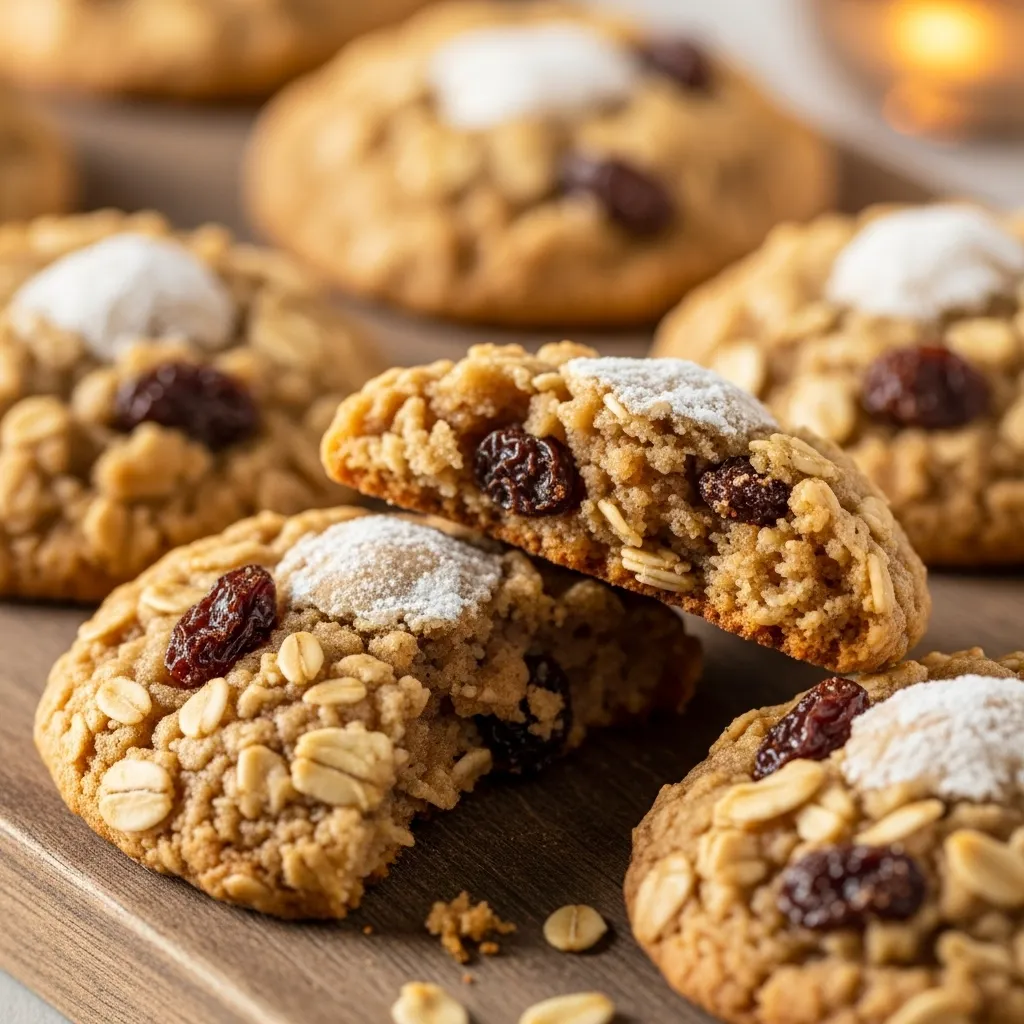
This oatmeal cookie comes out soft, thick, and slightly chewy. The oats stay tender while the center remains warm and comforting. The edges set gently without crisping. As it cools, the cookie firms up just enough. Eating it warm gives the best experience.
Flavor Profile Explained Simply
The flavor feels warm, lightly caramelized, and comforting. Brown sugar adds depth, while vanilla rounds everything out. The oats bring that familiar, cozy taste. It tastes like classic oatmeal cookie dough turned warm and satisfying. No surprises, just comfort.
Common Mistakes to Avoid
Small mistakes can change the outcome quickly. I’ve made all of these at least once. Overcooking dries the cookie out. Too much flour makes it dense. Skipping salt dulls the flavor. Avoid these and you’re set.
Mistakes to Watch For
- Overcooking past one minute
- Packing flour tightly
- Using steel-cut oats
- Overmixing the dough
Easy Flavor Variations
Once you master the base cookie, variations feel effortless. Small additions change the entire vibe without adding work. I switch these up depending on mood and pantry contents. Oatmeal cookies adapt easily.
Flavor Ideas
- Raisins or dried cranberries
- Chocolate chips
- Chopped nuts
- Dash of cinnamon
- Drizzle of honey on top
Making It Feel Extra Without Effort
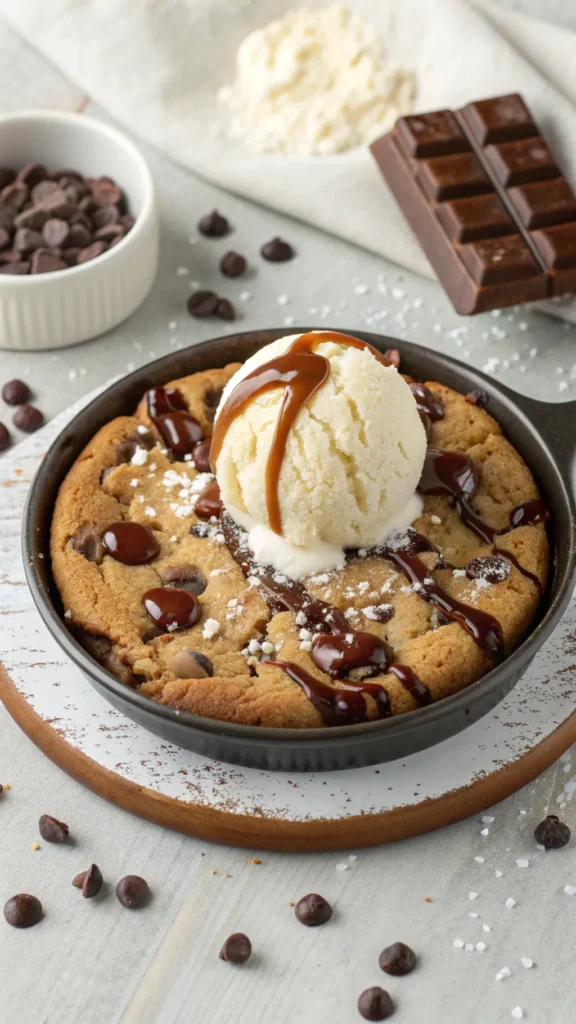
You can eat this cookie straight from the mug, and that’s perfectly fine. Sometimes, though, adding one simple topping makes it feel special. Minimal effort still counts as effort. Warm oats plus simple toppings always work.
Serving Ideas
- Spoon of peanut butter
- Splash of warm milk
- Light drizzle of maple syrup
Is a Microwave Oatmeal Cookie Actually Worth It
This cookie doesn’t try to replace classic baking. It fills a different role entirely. It exists for speed, comfort, and low effort. Judged by those standards, it performs extremely well. IMO, it earns its place.
Who This Cookie Is Perfect For
This cookie works for busy mornings, late-night cravings, and anyone who wants dessert that feels slightly wholesome. It also fits people who want one serving without leftovers. If you enjoy cozy flavors with minimal cleanup, this recipe fits easily into your routine.
Why This Cookie Feels So Comforting
Oats have a natural comfort factor. Warm oats slow things down, even if only for a minute. This cookie delivers that feeling without effort. Sometimes dessert isn’t about indulgence. It’s about feeling settled.
Final Thoughts
Microwave oatmeal cookie proves that comfort food doesn’t need time or tools. With simple ingredients and under a minute, you get warmth, chewiness, and familiar flavor. If you love oatmeal cookies but hate waiting, this one deserves a permanent spot in your quick-dessert rotation.