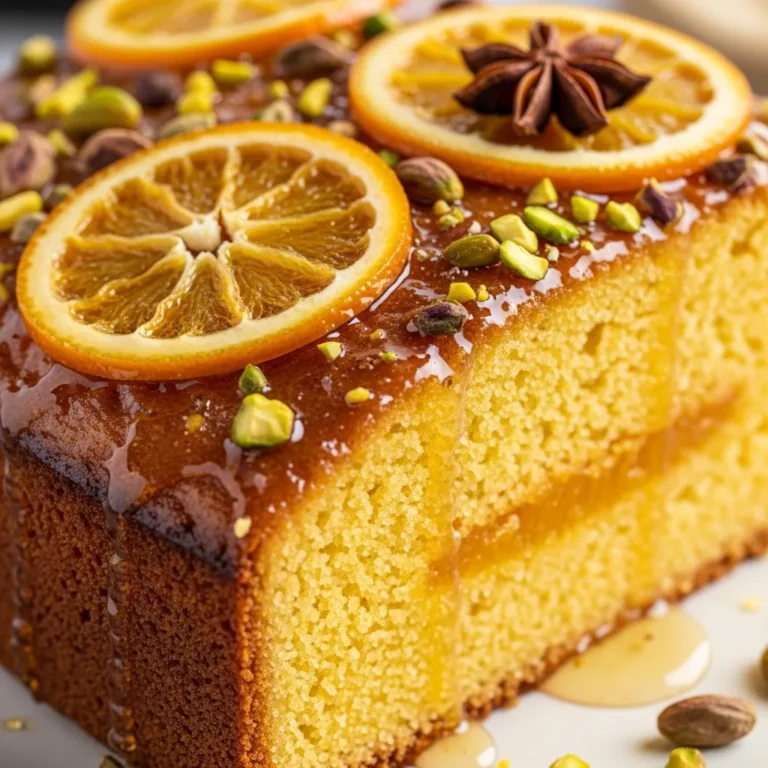

Orange Bundt Cake

Orange bundt cake feels like the slightly dressed-up cousin of classic orange cake. It’s soft, fragrant, and bursting with citrus flavor, but the bundt shape instantly makes it look special without extra effort. I usually bake this when I want something that looks impressive on the table but still feels relaxed and homemade. There’s something about a bundt cake that just feels right, isn’t there? Sliceable, shareable, and always camera-ready.
Why Orange Works So Well in a Bundt Cake
Orange flavor shines beautifully in a bundt cake because the shape helps the cake bake evenly. The center hole allows heat to circulate properly, which means no underbaked middle and no dry edges. That even bake lets the citrus flavor stay fresh and balanced throughout. Orange also pairs perfectly with the slightly denser crumb that bundt cakes naturally have. The result feels moist, rich, and bright all at once, which is exactly what a good citrus cake should be.
Fresh Oranges Make All the Difference
Fresh orange juice and zest completely change the game here. The juice adds moisture and gentle sweetness, while the zest brings that bold citrus aroma that hits you the moment the cake comes out of the oven. Bottled juice just doesn’t compete. I always zest the oranges before juicing them, because once they’re squeezed, zesting becomes a workout no one asked for. Use only the bright outer peel and skip the white pith to avoid bitterness.
Ingredients You’ll Need

This cake relies on simple, dependable ingredients that work together beautifully. Nothing fancy, nothing unnecessary. Basic pantry staples with citrus doing the heavy lifting. You’ll need:
- All-purpose flour
- Fresh orange juice
- Orange zest
- Sugar
- Eggs
- Oil or butter
- Baking powder
- Vanilla extract
- Salt
Oil vs Butter in a Bundt Cake
Both options work, but they give slightly different results. Oil keeps the cake incredibly moist and soft for days, which is perfect for bundt cakes that often sit out on the counter. Butter adds richness and a more traditional cake flavor. I usually choose oil when I want guaranteed moisture and butter when I want a slightly richer taste for same-day serving. Either way, the orange flavor still shines.
How Orange Bundt Cake Comes Together
This cake follows a straightforward mixing method that doesn’t feel intimidating. You mix the wet ingredients, combine the dry, then gently bring everything together. No stand mixer required, which I always appreciate. I mix just until combined and stop immediately. Overmixing leads to a dense cake, and that defeats the purpose of a soft, tender crumb.
Simple Mixing Flow
- Zest and juice the oranges
- Mix eggs, sugar, oil or butter, and vanilla
- Add orange juice and zest
- Whisk dry ingredients separately
- Combine wet and dry gently
- Pour into greased bundt pan and bake
Texture and Flavor Expectations

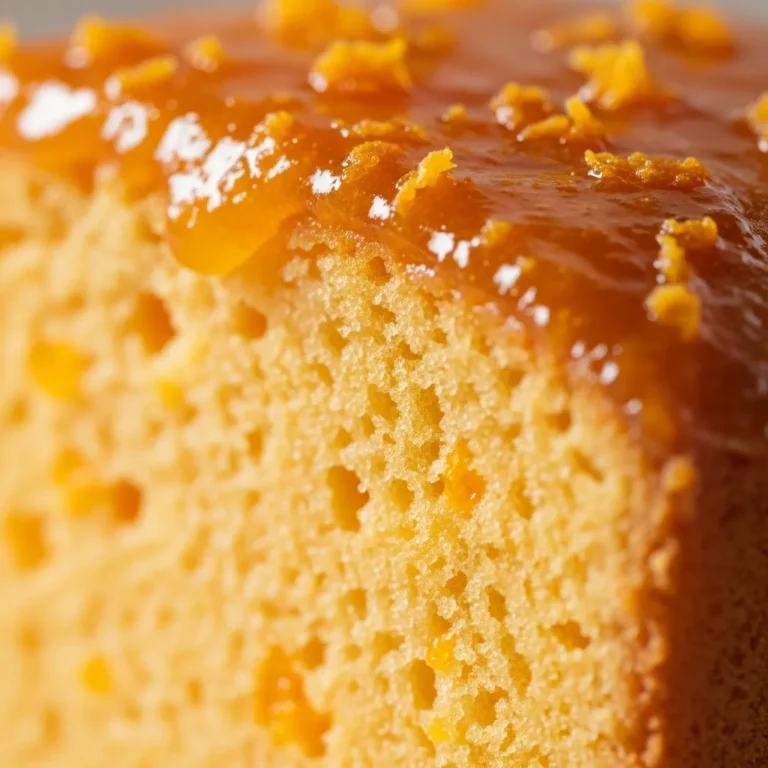
This cake bakes up moist, tender, and slightly dense in the best way. It slices cleanly and holds its shape without feeling heavy. The crumb feels soft and rich, perfect for a bundt-style cake. Flavor-wise, it tastes bright and citrusy without being sharp. The sweetness stays balanced, and the orange flavor feels fresh instead of artificial. I’ve eaten this plain more times than I’ll admit.
Glaze That Actually Makes Sense
A simple orange glaze takes this cake from casual to bakery-worthy. Powdered sugar mixed with fresh orange juice creates a glossy finish that seeps slightly into the cake and adds extra citrus punch. You don’t need a thick glaze here. A light drizzle lets the cake shine without overwhelming it. Sometimes less really is more.
Serving Ideas That Feel Natural
Orange bundt cake fits into so many moments, which is why it’s such a reliable recipe. It works for casual afternoons and more polished gatherings without feeling out of place. It adapts easily to whatever you need. Great serving ideas include:
- With tea or coffee
- Lightly glazed for dessert
- With whipped cream
- With fresh berries
- As a brunch centerpiece
Storage and Make-Ahead Tips
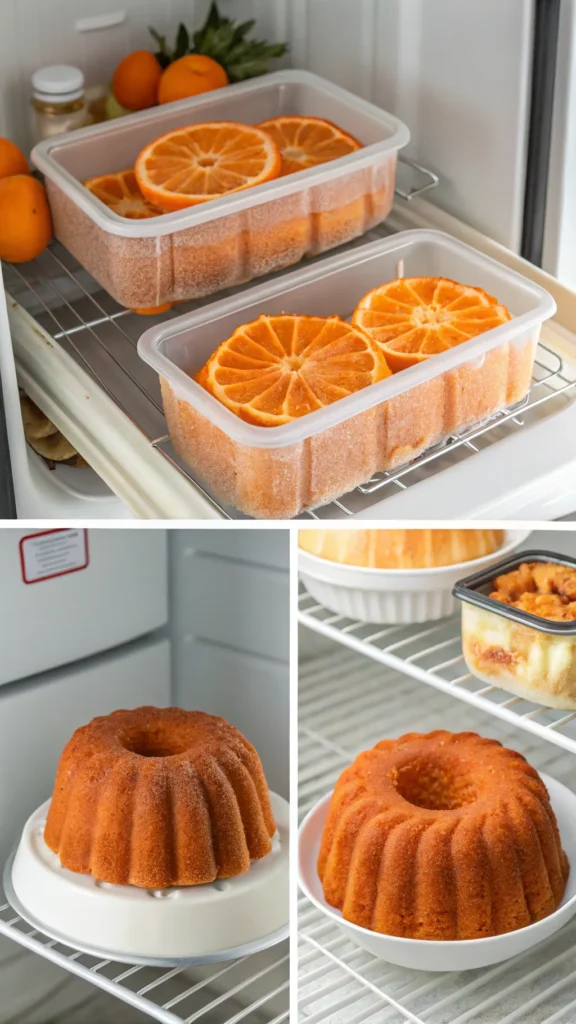
This cake stores beautifully, especially when made with oil. It stays moist and flavorful for several days when covered properly. I usually keep it at room temperature unless it’s very warm. If glazed, I store it in the refrigerator to keep the glaze neat. Letting it sit at room temperature before serving brings back the best texture.
Best Storage Practices
- Room temperature: up to 3 days, covered
- Refrigerator: up to 5 days
- Freezer: up to 2 months, wrapped well
Common Mistakes to Avoid
Small mistakes can dull the orange flavor or affect the texture. Using bottled juice weakens the citrus taste, while skipping the zest removes most of the aroma. Overmixing the batter leads to a heavy cake instead of a tender one. Not greasing the bundt pan properly is another big one. Bundt cakes love to stick when you least expect it. Grease thoroughly, flour well, and trust the process.
Why This Cake Always Feels Special
The bundt shape gives this cake instant presence. Even without decoration, it looks intentional and inviting. The orange aroma seals the deal the moment it’s sliced. People often assume it took more effort than it did, and I never rush to correct them. 🙂
Final Thoughts
Orange bundt cake combines bright citrus flavor, soft texture, and effortless elegance in one dependable recipe. It feels comforting, fresh, and just fancy enough without being fussy. If you want a cake that looks beautiful, tastes even better, and fits into real life, this one deserves a permanent place in your baking rotation.