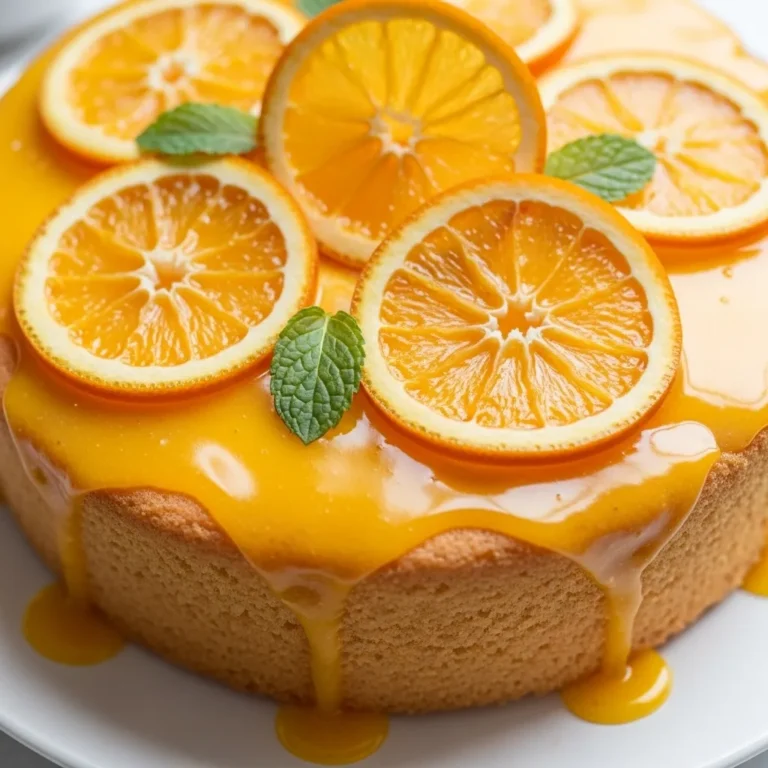
Orange Butter Cake
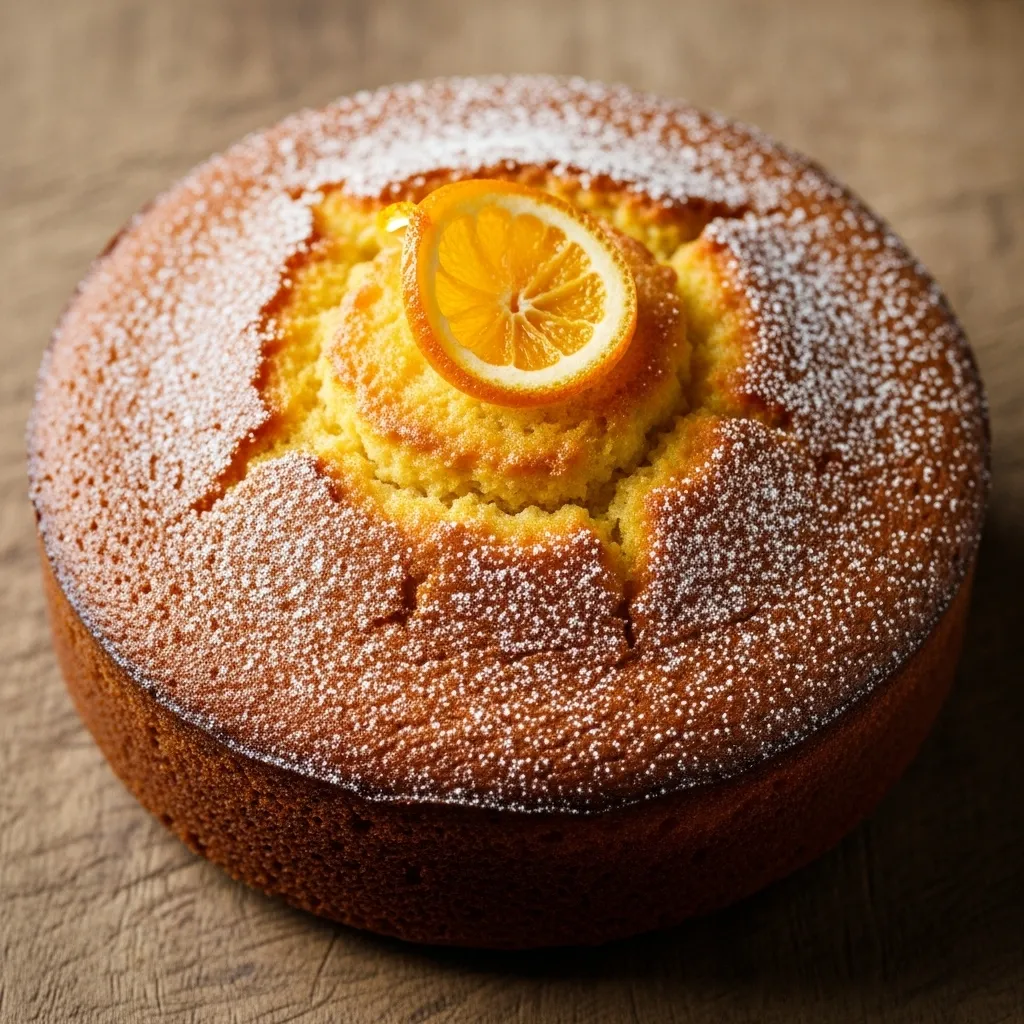
Orange butter cake feels like that one recipe you bake once and then quietly rely on forever. I first made it when I wanted something richer than a drizzle cake but lighter than a heavy pound cake. One slice later, I realized this cake doesn’t try to impress loudly, it just wins. Ever had a cake that tastes comforting and fresh at the same time? This cake brings together buttery richness and bright orange flavor without letting either one take over. It feels soft, fragrant, and indulgent in the best possible way. If you love classic cakes with a citrus twist, you’re in the right place.
Why Orange Butter Cake Deserves Attention
Some cakes feel seasonal, but orange butter cake works year-round. The butter gives it structure and richness, while orange keeps it from feeling heavy. That balance makes it incredibly easy to love. I usually bake this when I want something reliable but not boring. It never feels dry, and it doesn’t need frosting to feel complete. Isn’t it nice when a cake knows who it is?
What Makes It Different from Other Orange Cakes
This cake focuses more on butter than syrup or drizzle. That changes the texture completely. Instead of sticky or soaked, you get a soft, velvety crumb that holds its shape beautifully. Simple structure, strong personality. Here’s what sets it apart:
- Rich buttery base with smooth mouthfeel
- Natural orange flavor from zest and juice
- Tender crumb that slices cleanly
- No heavy glaze required to taste amazing
The Flavor Combination That Just Works
Butter and orange might sound basic, but together they create depth. Butter brings warmth and richness, while orange cuts through with freshness. Neither one dominates, and that’s the magic. The aroma alone makes this cake worth baking. When citrus and butter hit heat together, the kitchen smells unreal. Ever found yourself standing by the oven for no reason? Same.
Why Orange Beats Other Citrus Here
Lemon can feel sharp in butter-heavy cakes. Orange feels rounder and softer. IMO, that makes it perfect for a cake built on butter. The zest adds fragrance, while the juice adds subtle sweetness and moisture. Together, they keep the cake from feeling flat or greasy. Balance really does everything.
Ingredients That Carry the Cake
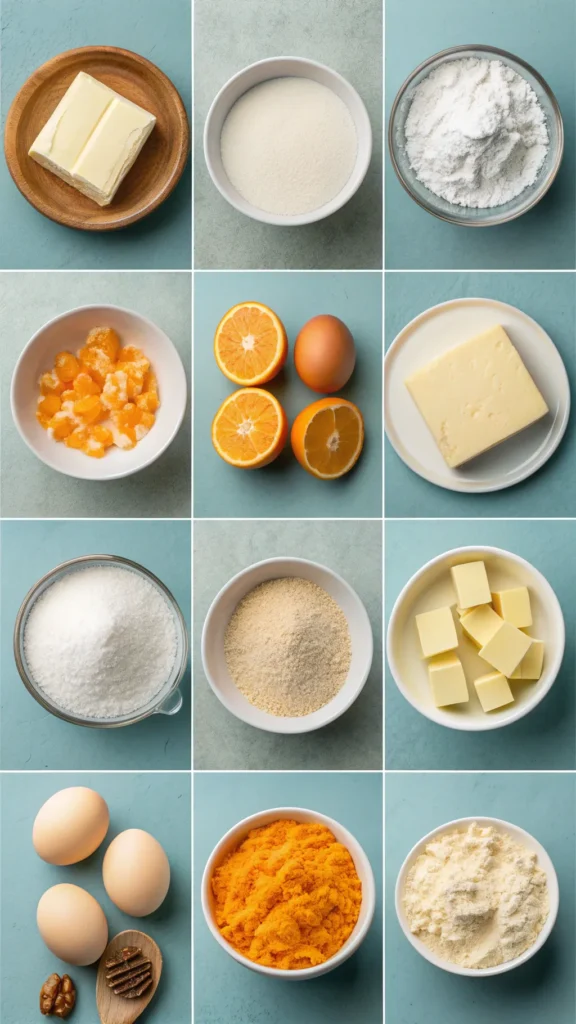
Orange butter cake doesn’t rely on tricks. It uses classic ingredients, but each one matters. When the basics work well, the final result always shows it. You don’t need anything fancy, and that’s part of the appeal. This cake feels old-school in the best way.
Key Ingredients and Why They Matter
- Butter for richness and soft texture
- Sugar to support structure and sweetness
- Eggs to bind and add lightness
- Orange zest and juice for real citrus flavor
- Flour to give the cake strength
- Baking powder for gentle lift
- Milk or yogurt for moisture
How to Make Orange Butter Cake
Step 1: Prepare the Oven and Pan
Preheat your oven to 350°F (175°C). Grease and flour a 9×13-inch baking pan or line it with parchment paper for easy removal. This ensures the cake bakes evenly and doesn’t stick to the pan.
Step 2: Cream the Butter and Sugar
In a large bowl, beat the softened butter and sugar together until light and fluffy. This process incorporates air into the batter, giving your cake a soft, tender crumb.
Step 3: Add Eggs and Flavorings
Add the eggs one at a time, mixing well after each addition. Stir in the orange zest and vanilla extract. The zest adds a bright, fresh citrus aroma that makes this cake irresistible.
Step 4: Combine Dry Ingredients
In a separate bowl, whisk together the flour, baking powder, and salt. Gradually add the dry ingredients to the wet mixture, alternating with the orange juice and milk. Mix just until combined to avoid overmixing, which could make the cake dense.
Step 5: Bake the Cake
Pour the batter into the prepared pan and smooth the top with a spatula. Bake for 35–40 minutes, or until a toothpick inserted into the center comes out clean. Allow the cake to cool in the pan for 10 minutes before transferring to a wire rack.
Step 6: Prepare and Add the Glaze
If using the glaze, whisk powdered sugar and orange juice together until smooth. Pour evenly over the warm cake and let it soak in. Allow the cake to cool completely before slicing into squares.
Texture: Soft, Buttery, and Stable
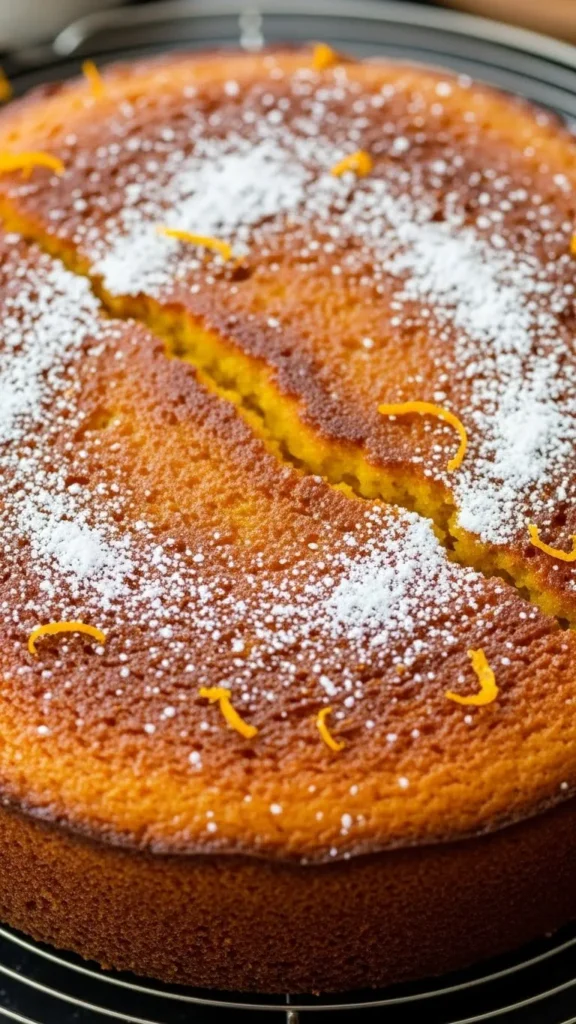
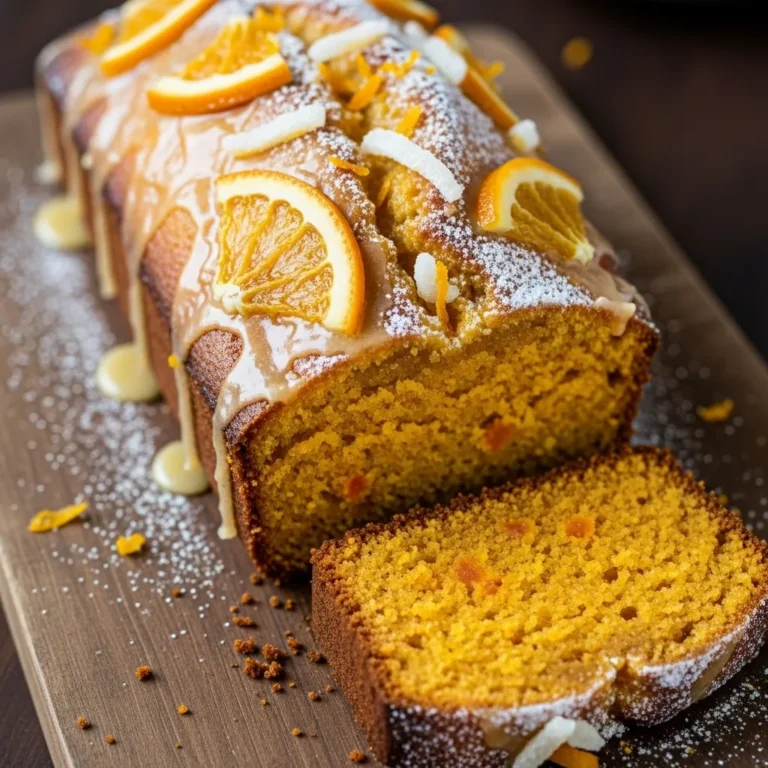
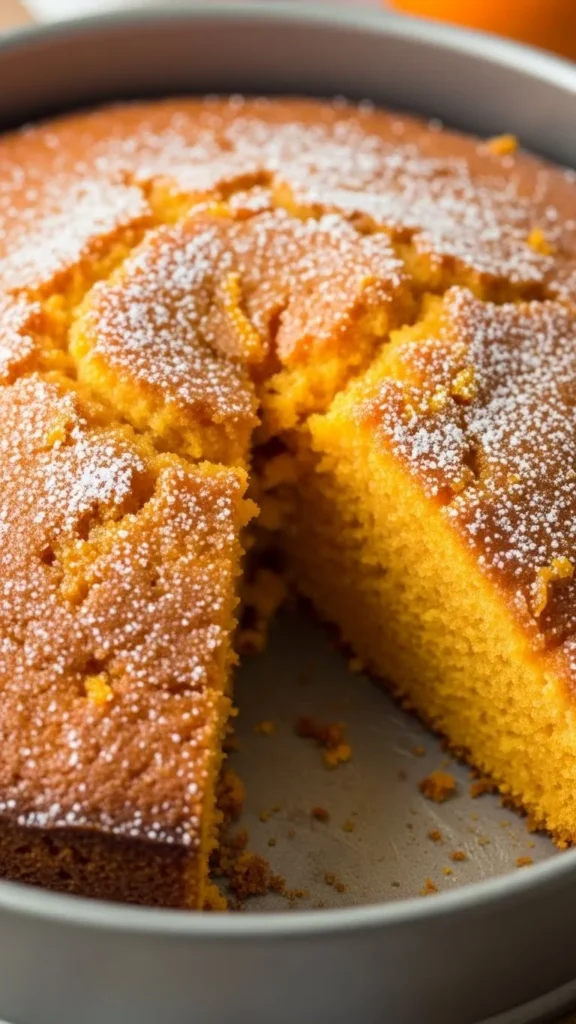
Texture matters more than people admit. This cake stays soft without falling apart, which makes it perfect for slicing and serving. Dry cake feels personal, so let’s avoid that. The crumb feels tight but tender, not dense or heavy. That’s the butter doing its job properly. Ever had a cake that feels luxurious without being rich-heavy? This is that cake.
What Each Bite Feels Like
Each bite melts slightly, then finishes clean. The orange shows up gently, not aggressively. The butter lingers just long enough to make you reach for another slice. Compared to sponge cakes, this one feels more satisfying. Compared to pound cakes, it feels lighter. That middle ground feels intentional and comforting.
Baking Tips That Make a Difference
Orange butter cake is forgiving, but small details push it from good to great. I learned these after a few “still tasty but could be better” attempts. Baking teaches humility fast. First, cream the butter and sugar properly. That step traps air and sets the tone for the whole cake. Second, don’t rush the mixing once flour goes in.
Helpful Tips to Remember
- Room-temperature butter and eggs mix smoothly
- Cream butter and sugar until pale
- Add eggs one at a time for stability
- Fold flour gently to keep the crumb soft
Serving Ideas That Feel Natural
Orange butter cake doesn’t need much help, but pairing it thoughtfully enhances the experience. I usually serve it plain because the flavor already feels complete. That said, a little extra never hurts when done right. Would you keep it simple or dress it up slightly?
Easy Serving Suggestions
- Light dusting of powdered sugar
- Whipped cream or yogurt on the side
- Fresh orange segments for brightness
- Tea or coffee to balance the butter
Storage and Freshness

One thing I appreciate about orange butter cake is how well it keeps. Butter-based cakes tend to hold moisture longer, and this one proves it. I usually store it covered at room temperature and snack on it over a few days. Somehow, the flavor deepens slightly as it rests.
Best Way to Store It
- Room temperature: up to 3 days, covered
- Refrigerator: up to 5 days, bring to room temp
- Freezer: up to 2 months, tightly wrapped
Why This Cake Always Delivers
Orange butter cake doesn’t rely on trends or decoration. It delivers through flavor, texture, and reliability. That kind of consistency makes it a repeat bake. If you enjoy classic cakes with a citrus twist, this one belongs in your rotation. Ever noticed how the simplest recipes stick around the longest?
Conclusion
Orange butter cake proves that butter and citrus can coexist beautifully. It offers richness without heaviness and freshness without sharpness. No drama, no extra steps, just a genuinely good cake. If you’re craving something comforting yet bright, bake this next. Fair warning though, one slice rarely feels like enough.