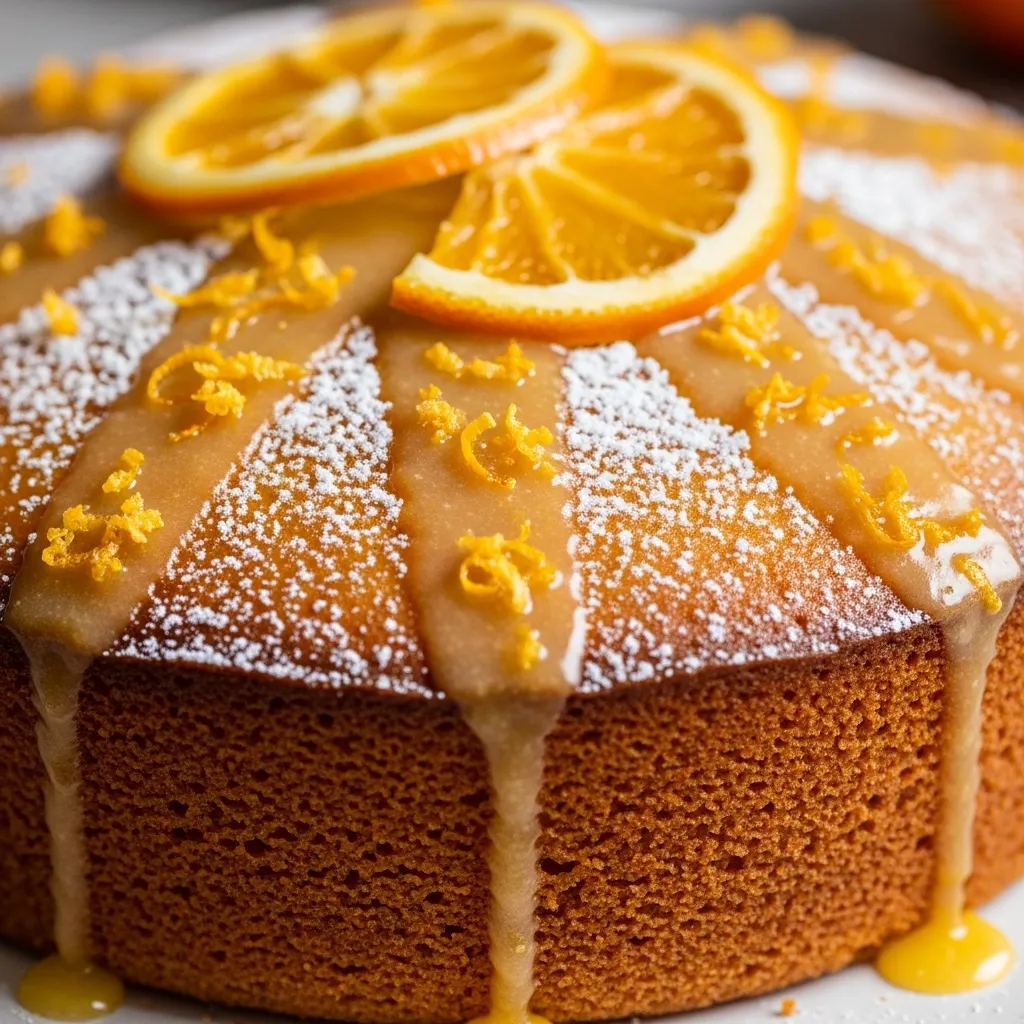
Moist Orange Cake

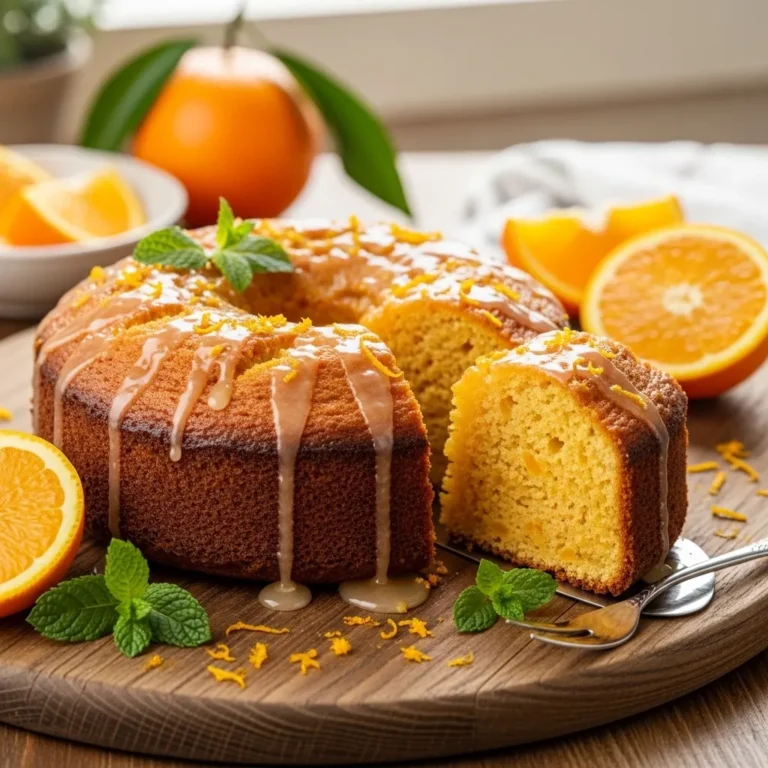
Moist orange cake is exactly what it sounds like soft, tender, and packed with fresh citrus flavor in every bite. This is the kind of cake that stays fluffy for days and never feels dry or crumbly. I usually bake it when I want something bright, comforting, and guaranteed to disappear quickly. If you’ve ever been disappointed by a dry citrus cake, this one fixes that problem immediately. Ever noticed how a truly moist cake just feels more satisfying?
What Makes an Orange Cake Truly Moist
Moisture comes from the right balance of fat, liquid, and mixing technique. Fresh orange juice adds natural moisture, while oil or softened butter helps keep the crumb soft even after cooling. The key is locking in moisture without making the cake heavy. This cake focuses on that balance. It stays tender without feeling greasy, and every slice feels soft from edge to center.
Fresh Orange Juice and Zest Matter
Fresh orange juice brings more than flavor, it adds real moisture. The zest contributes aromatic oils that make the cake smell incredible as it bakes. Together, they create depth instead of just surface-level citrus taste. I always zest first, then juice. And yes, I stop before hitting the white pith because bitterness ruins the vibe fast.
Ingredients You’ll Need
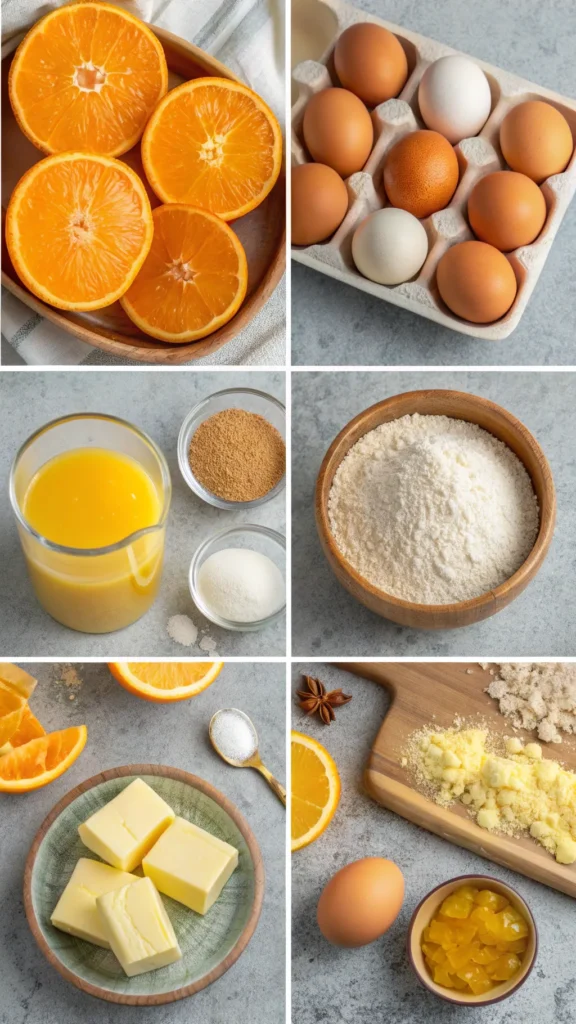
This cake uses simple pantry staples, but each one plays an important role in texture and moisture. Nothing feels unnecessary. Simple ingredients, dependable results. You’ll need:
For the Cake:
- 1 ½ cups all-purpose flour
- 1 teaspoon baking powder
- ¼ teaspoon baking soda
- ¼ teaspoon salt
- ½ cup unsalted butter, softened
- 1 cup granulated sugar
- 2 large eggs
- ½ cup freshly squeezed orange juice
- 1 teaspoon orange zest
- ½ teaspoon vanilla extract
- Optional: ¼ cup milk (if batter is too thick)
For Orange Glaze (optional):
- ½ cup powdered sugar
- 2 tablespoons fresh orange juice
Step-by-Step Instructions for Moist Orange Cake
1. Preheat oven and prepare pan:
Preheat your oven to 350°F (175°C). Grease and flour an 8-inch round or square cake pan, or line it with parchment paper.
2. Mix dry ingredients:
In a medium bowl, whisk together flour, baking powder, baking soda, and salt. Set aside.
3. Cream butter and sugar:
In a large bowl, beat softened butter and sugar until light and fluffy. Add eggs one at a time, mixing well after each addition.
4. Add wet ingredients:
Stir in orange juice, orange zest, and vanilla extract until smooth. If the batter is too thick, gradually add milk.
5. Combine wet and dry ingredients:
Gently fold the dry ingredients into the wet mixture until fully incorporated. Be careful not to overmix to maintain a tender texture.
6. Bake the cake:
Pour the batter into the prepared pan and smooth the top. Bake for 30–35 minutes, or until a toothpick inserted into the center comes out clean.
7. Prepare the glaze (optional):
Mix powdered sugar and orange juice until smooth. Drizzle over the cooled cake for extra citrus flavor and a glossy finish.
8. Cool and serve:
Allow the cake to cool in the pan for 10 minutes, then transfer to a wire rack. Slice and enjoy the moist, flavorful orange cake as is or with whipped cream.
Oil vs Butter for Extra Moisture
Oil keeps cakes moist longer than butter, which makes it ideal for this recipe. Butter adds richness, but oil locks in softness for days. That’s why many moist cakes rely on oil. I usually use oil when I want guaranteed tenderness. Butter works too, but oil wins for long-lasting moisture IMO.
Texture and Flavor Expectations
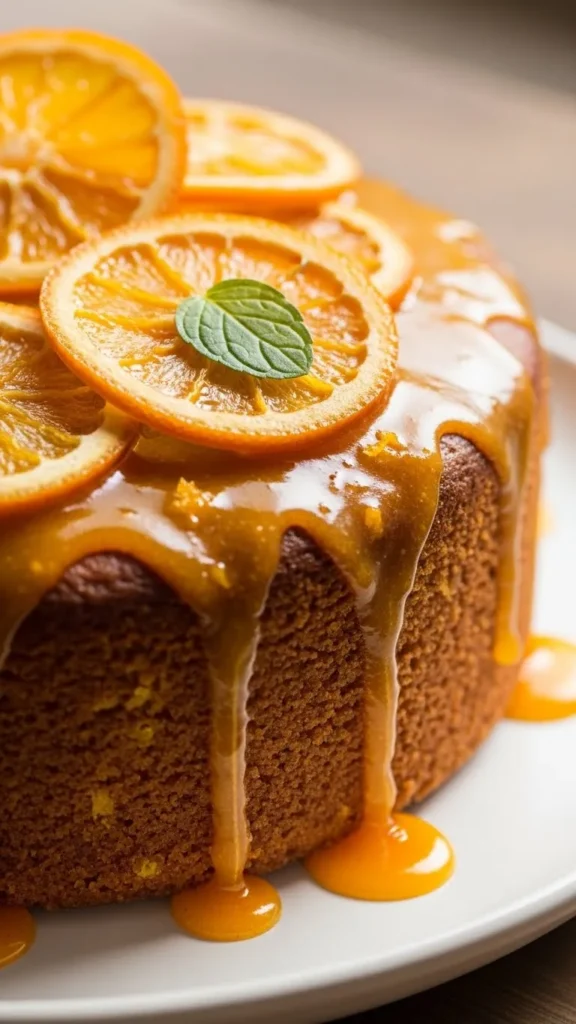
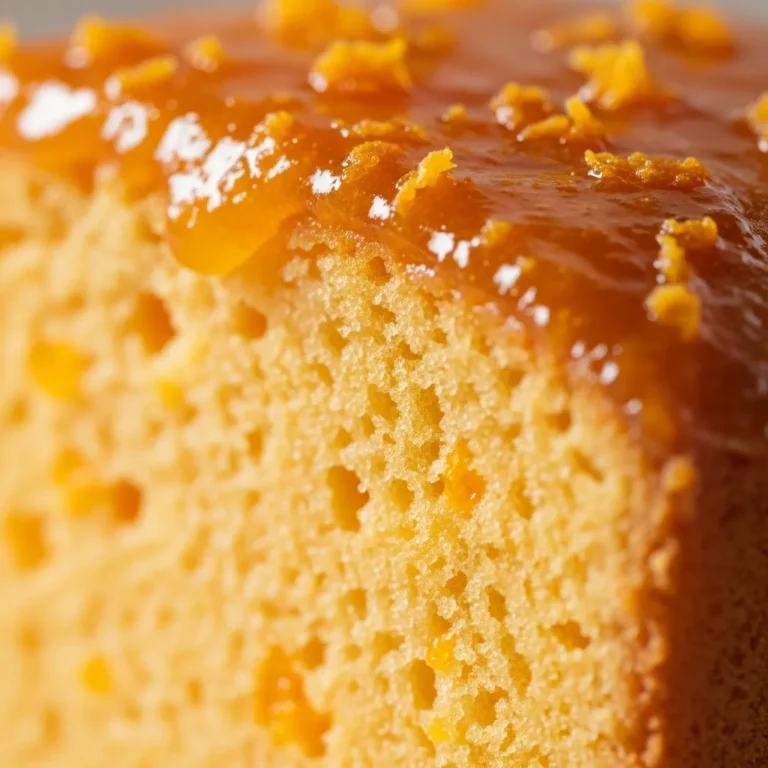
This cake bakes up soft, fluffy, and evenly moist. It slices cleanly without crumbling and stays tender even after a day or two. The crumb feels light but satisfying. Flavor-wise, it tastes fresh and citrusy without being sharp. The sweetness stays balanced, and the orange flavor shines without overpowering the cake.
Glaze or Keep It Plain
This cake doesn’t need a glaze to be good, but it handles one beautifully. A light orange glaze adds sweetness and extra citrus punch without affecting moisture. Sometimes I skip the glaze and dust it with powdered sugar. Other times, I glaze it and call it dessert. Both options work.
Serving Ideas That Feel Natural
Moist orange cake fits into almost any moment, which makes it incredibly versatile. I’ve served it plain, dressed up, and everything in between. It never feels out of place. Great serving ideas include:
- With coffee or tea
- As a snack cake
- Lightly glazed for dessert
- With whipped cream
- With fresh berries
Storage and Make-Ahead Tips
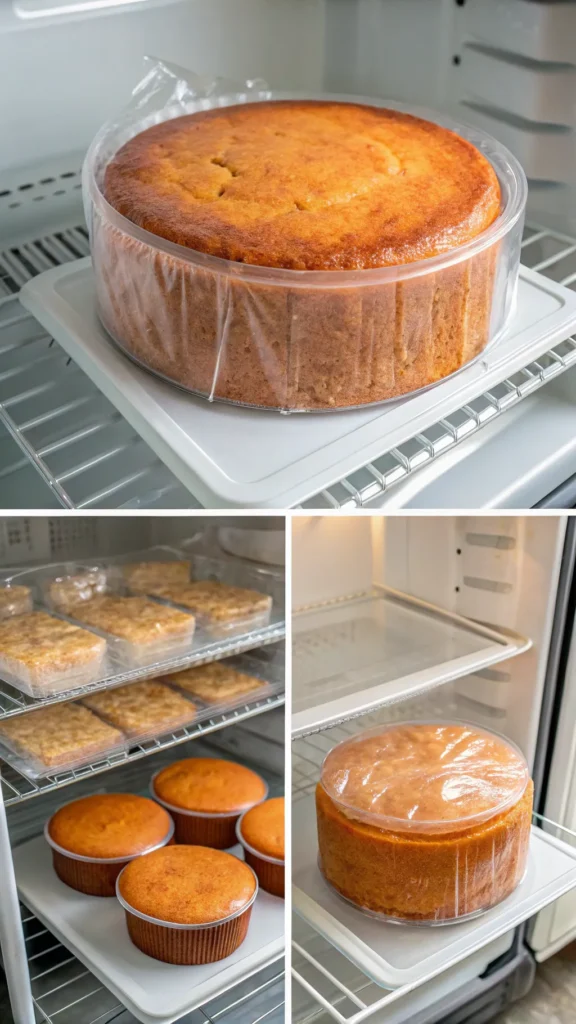
This cake stores beautifully, especially when made with oil. It stays moist for several days when wrapped properly. I usually keep it at room temperature unless it’s very warm. If glazed, I refrigerate it to keep the topping neat. Letting it sit at room temperature before serving brings the texture back to its best. Moist cakes freeze surprisingly well FYI.
Best Storage Practices
- Room temperature: up to 3 days, covered
- Refrigerator: up to 5 days
- Freezer: up to 2 months, wrapped well
Common Mistakes to Avoid
Small mistakes can dry out an orange cake quickly. Overbaking is the biggest one, especially around the edges. Using bottled juice flattens flavor, and skipping zest removes most of the aroma. Overmixing the batter tightens the crumb and pushes moisture out. Gentle mixing and fresh oranges fix most problems instantly.
Why This Cake Always Gets Compliments
People notice texture before anything else, and this cake delivers. It feels soft, fresh, and homemade without being fragile. The orange flavor makes it memorable without being overwhelming. I’ve shared this cake more times than I can count, and it never comes back with leftovers.
Final Thoughts
Moist orange cake delivers softness, bright citrus flavor, and reliable results every single time. It’s simple, comforting, and incredibly easy to love. If you want a citrus cake that stays tender, tastes fresh, and never dries out, this one deserves a permanent spot in your baking rotation.