Orange Juice Cake Recipe

Orange cake is one of those desserts that feels simple, sunny, and comforting all at once. It’s soft, fragrant, and full of fresh citrus flavor without trying too hard to impress. I usually bake this when I want something homemade that feels cheerful but still works for everyday snacking. If you love cakes that taste fresh instead of overly sweet, this one always delivers. Ever notice how citrus desserts just feel lighter and happier?
Why Orange Cake Never Gets Old
Orange cake works because it hits that perfect balance between sweet and bright. The citrus flavor keeps the cake from feeling heavy, while the soft crumb makes every bite comforting. It’s the kind of cake you can enjoy in the morning with tea or later as dessert. I also love how versatile it is. You can keep it plain, glaze it, or dress it up for guests. IMO, that flexibility makes it a keeper.
Fresh Orange Flavor Makes the Difference
Fresh orange juice and zest change everything here. Bottled juice doesn’t bring the same aroma or depth, and the zest adds that punchy citrus oil that makes the cake smell incredible. When the cake bakes, the orange flavor spreads evenly through every slice. I always zest the oranges first, then juice them. Ever tried zesting a juiced orange? Yeah… not fun.
Ingredients You’ll Need
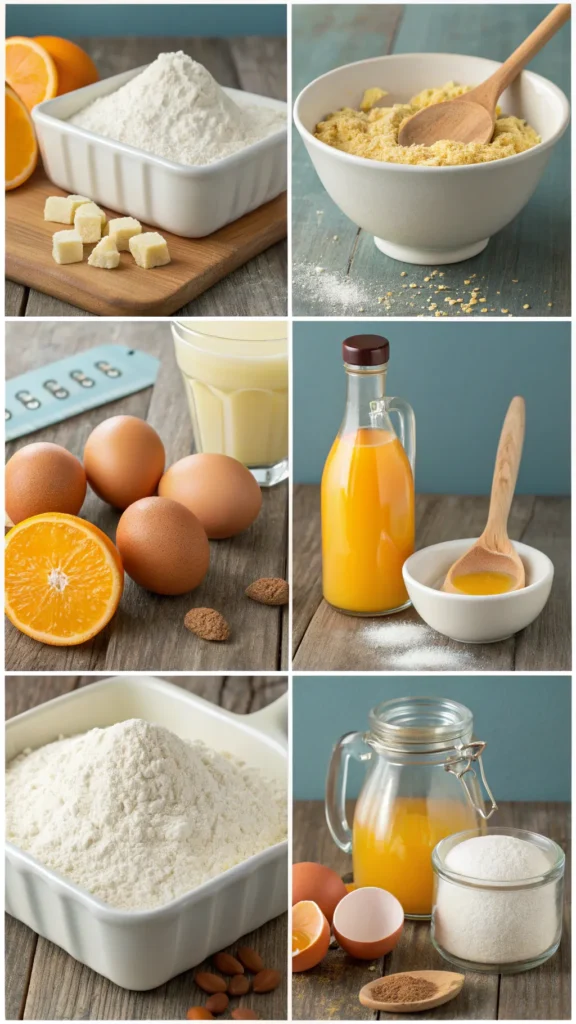
This cake uses basic pantry ingredients, which makes it easy to bake anytime. Nothing fancy, nothing complicated, just solid ingredients that work well together. Simple ingredients, bright results. You’ll need:
- All-purpose flour
- Fresh orange juice
- Orange zest
- Sugar
- Eggs
- Oil or butter
- Baking powder
- Vanilla extract
- Salt
Oil vs Butter: What Works Best
Both oil and butter work, but they give slightly different results. Oil keeps the cake extra moist for days, which I personally prefer for citrus cakes. Butter adds richness but can make the crumb a bit firmer. If I’m baking ahead, I choose oil every time. If I want a richer flavor for same-day serving, butter works beautifully.
How Orange Cake Comes Together
This cake follows a straightforward mixing method, which makes it beginner-friendly. You mix the wet ingredients, combine the dry, then bring everything together gently. No special equipment needed. I always mix just until combined. Overmixing toughens the cake, and nobody wants that, right?
Basic Mixing Flow
- Zest and juice the oranges
- Mix eggs, sugar, oil, and vanilla
- Add orange juice and zest
- Whisk dry ingredients separately
- Combine wet and dry gently
- Pour into prepared pan and bake
Texture and Flavor Expectations

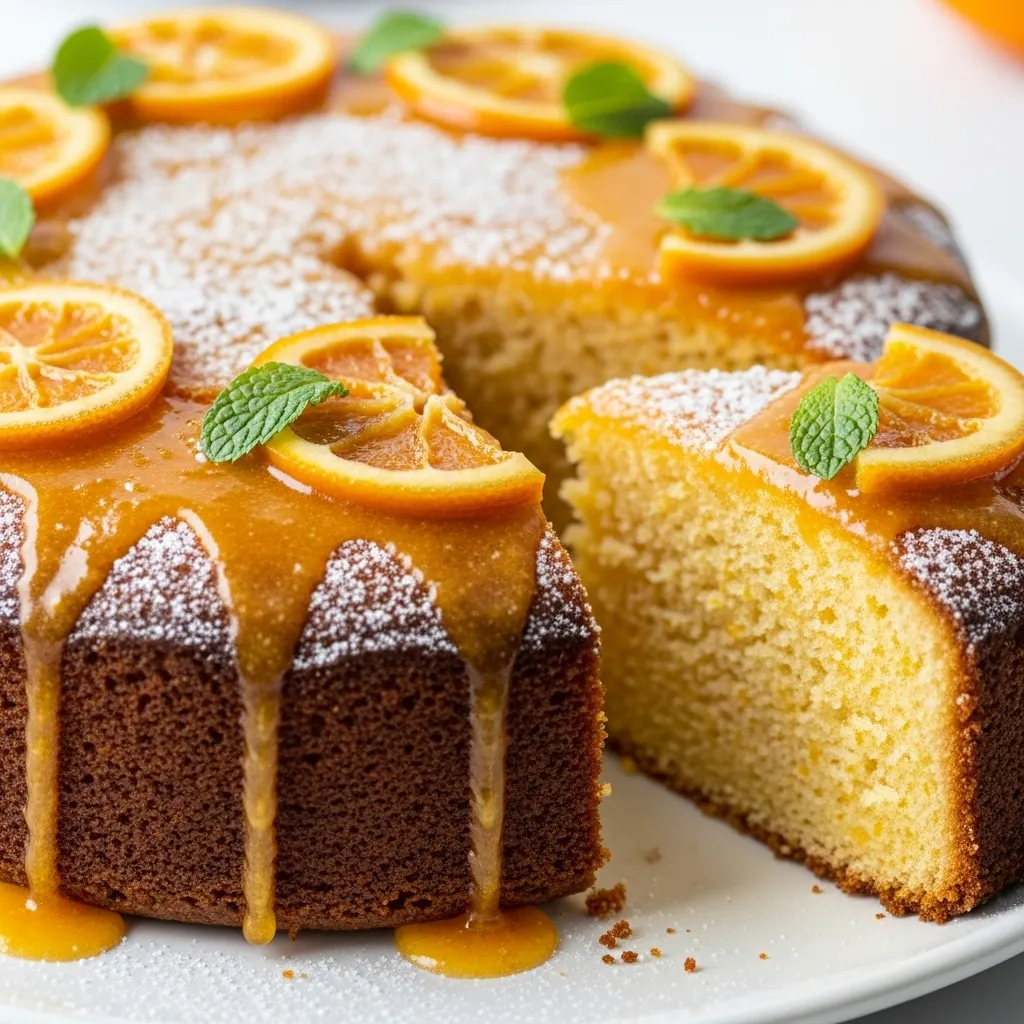
The finished cake turns out soft, tender, and lightly fluffy. It slices cleanly but stays moist, which makes it perfect for snacking. The crumb feels delicate without falling apart. Flavor-wise, it tastes fresh and citrusy without being sharp. The orange shines through, but the sweetness stays balanced. I could honestly eat this plain and be perfectly happy.
Glaze or No Glaze?
This cake doesn’t need a glaze, but it welcomes one if you’re in the mood. A simple orange glaze adds sweetness and makes the cake feel more dessert-like. Powdered sugar mixed with orange juice works perfectly. Sometimes I skip the glaze and dust it lightly with powdered sugar. Other times, I drizzle glaze and call it a day. Both versions work.
Serving Ideas That Feel Right
Orange cake works in so many situations, which makes it incredibly practical. I serve it differently depending on the occasion, and it never feels out of place. It adapts easily without losing its charm. Great serving ideas include:
- With tea or coffee
- Lightly glazed for dessert
- With whipped cream
- Alongside fresh berries
- As a simple snack cake
Storage and Make-Ahead Tips
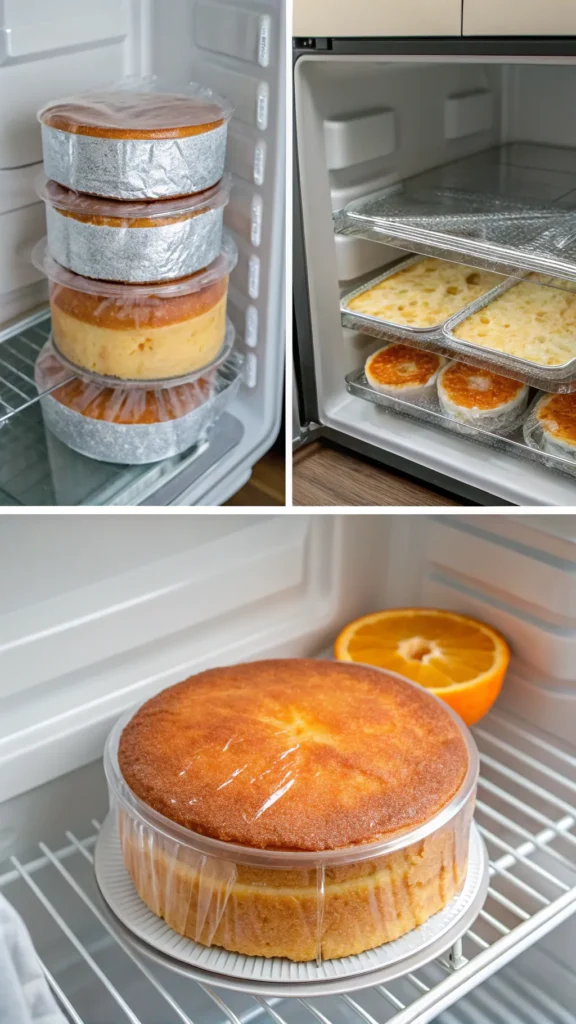
This cake stores beautifully, especially when made with oil. It stays moist for days without drying out. I usually keep it covered at room temperature unless it’s very warm. If glazed, I store it in the refrigerator to keep the topping neat. A quick rest at room temperature brings it back to perfect texture.
Best Storage Practices
- Room temperature: up to 3 days, covered
- Refrigerator: up to 5 days
- Freezer: up to 2 months, wrapped well
Common Mistakes to Avoid
Small mistakes can mute the orange flavor or affect the texture. Using bottled juice flattens the citrus taste, while skipping the zest removes most of the aroma. Overmixing the batter leads to a dense cake instead of a soft one. Baking too long dries it out, especially around the edges. Use fresh oranges, mix gently, and check for doneness early to keep the cake tender.
Why This Cake Always Feels Homemade
This cake tastes honest and comforting, not overly polished or artificial. The orange flavor feels natural, and the texture feels soft and familiar. It reminds me of the kind of cake you’d slice into casually, not save for a special moment. That’s probably why people keep reaching for second slices.
Final Thoughts
Orange cake delivers bright flavor, soft texture, and effortless charm in one simple bake. It works for casual days, guests, and everything in between. No drama, no complicated steps, just a reliable, feel-good dessert. If you want a cake that feels fresh, comforting, and easy to love, orange cake is always a good idea.