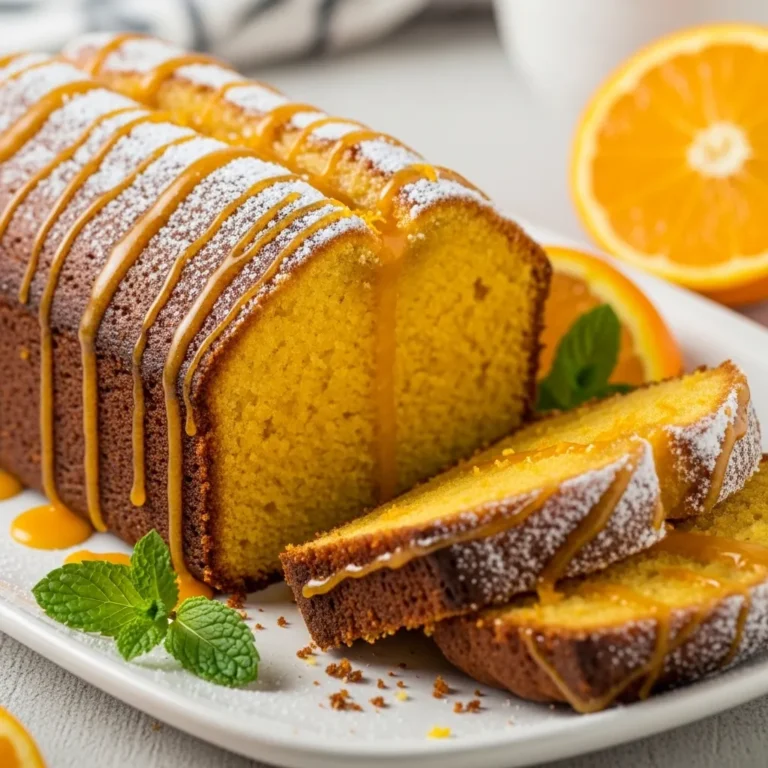
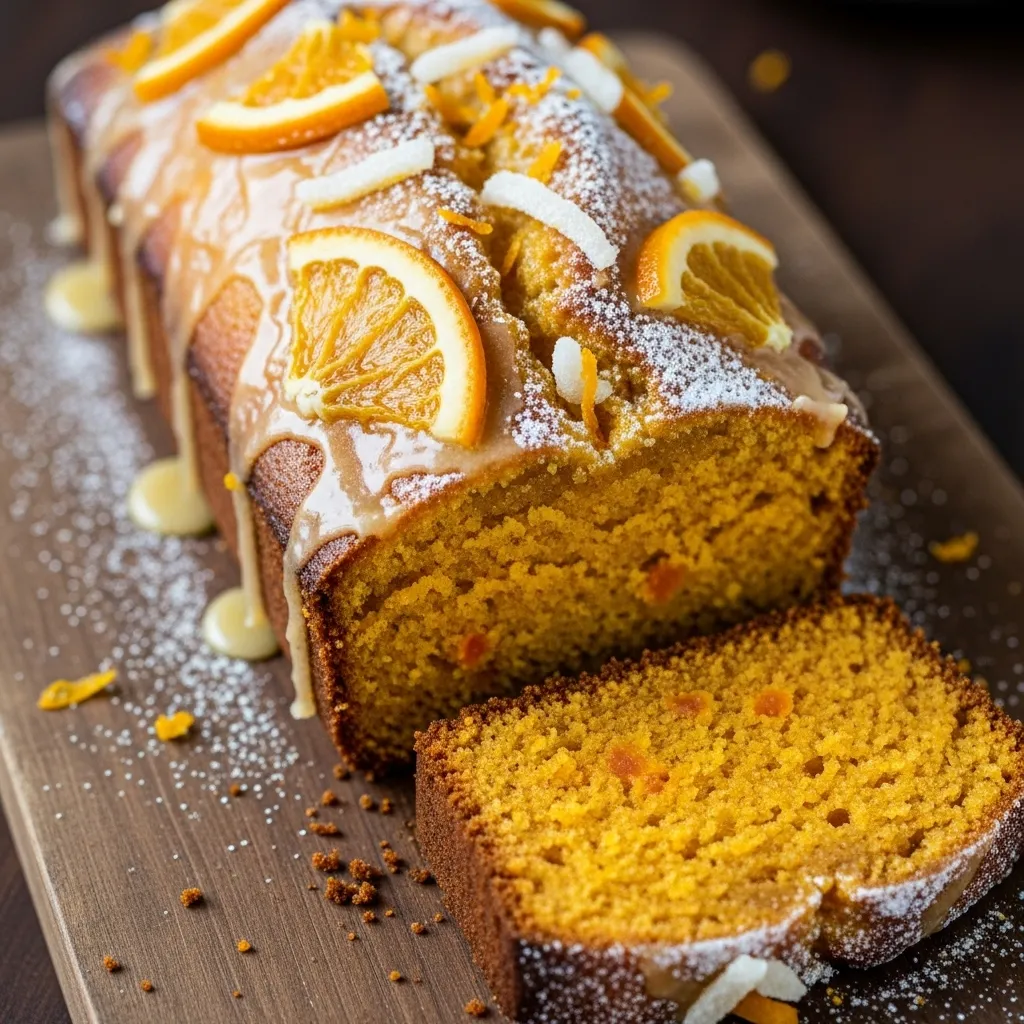
Orange Loaf Cake

Orange loaf cake is one of those bakes that quietly becomes a favorite without trying too hard. It’s soft, moist, and filled with fresh citrus flavor that feels bright but still comforting. I usually make this when I want a simple cake that works for breakfast, snacking, or dessert without needing any decoration drama. It’s the kind of cake you slice “just a little piece” of… and then somehow go back for another. Ever notice how citrus loaf cakes do that?
Why Orange Works Perfectly in a Loaf Cake
Orange flavor shines in loaf cakes because the shape helps the cake bake evenly while keeping moisture locked in. The crumb turns out tender and tight enough to hold together, but never dry. That balance makes each slice feel satisfying without being heavy. Citrus also cuts through sweetness beautifully. Instead of tasting sugary, the cake feels fresh and light, which is why orange loaf cake never gets boring.
Fresh Orange Flavor Makes the Difference
Fresh orange juice and zest are non-negotiable here. The juice adds moisture and subtle sweetness, while the zest brings that bold citrus aroma that makes the cake smell amazing as it bakes. Bottled juice just doesn’t give the same depth. I always zest the oranges before juicing and stop as soon as I hit the white pith. That pith adds bitterness fast, and this cake deserves better.
Ingredients You’ll Need
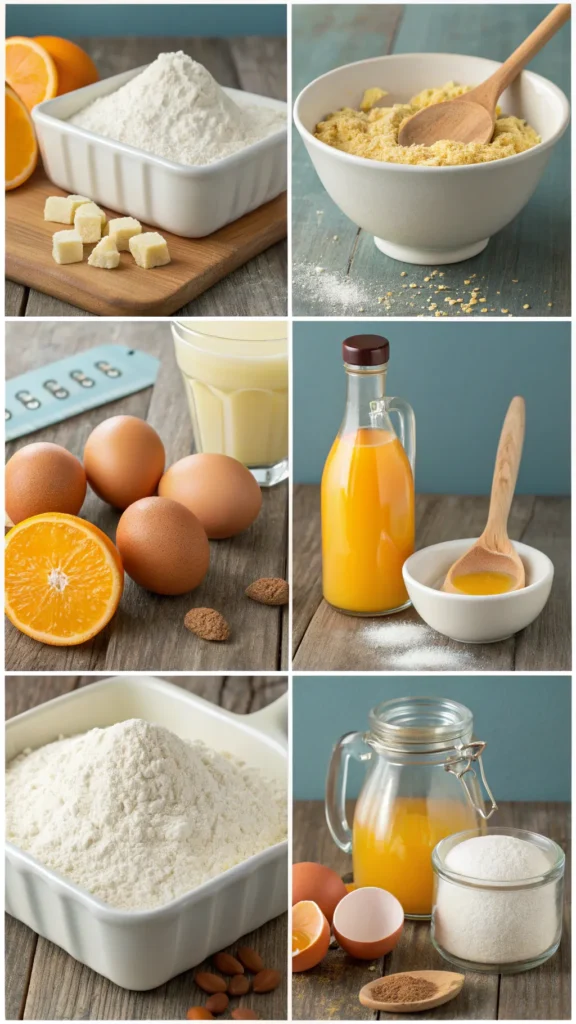
This recipe sticks to simple pantry ingredients, which makes it easy to bake anytime. Everything plays a clear role, and nothing feels extra. Basic ingredients, bright results. You’ll need:
- All-purpose flour
- Fresh orange juice
- Orange zest
- Sugar
- Eggs
- Oil or butter
- Baking powder
- Vanilla extract
- Salt
Instructions: How Orange Loaf Cake Comes Together
This cake follows an easy mixing method that feels relaxed and forgiving. You mix the wet ingredients, combine the dry, then gently bring everything together. No mixer needed, which I always appreciate. I stop mixing as soon as the batter comes together. Overmixing tightens the crumb, and loaf cakes really shine when they stay tender.
Simple Mixing Flow
- Zest and juice the oranges
- Mix eggs, sugar, oil or butter, and vanilla
- Add orange juice and zest
- Whisk dry ingredients separately
- Combine wet and dry gently
- Pour into prepared loaf pan and bake
Oil or Butter: Which Is Better for Loaf Cakes?
Both work well, but they give slightly different textures. Oil keeps the loaf incredibly moist for days, which makes it great for make-ahead baking. Butter adds richness and a more traditional cake flavor. I usually choose oil when I want guaranteed softness and butter when I want a slightly richer taste. Either way, the orange flavor still carries the cake.
Texture and Flavor Expectations

This loaf bakes up soft, moist, and evenly textured. It slices cleanly without crumbling and stays tender even after a day or two. The crumb feels delicate but sturdy enough for neat slices. Flavor-wise, it tastes fresh and citrusy without being sharp. The sweetness stays balanced, and the orange flavor comes through clearly in every bite. I honestly love it plain.
Glaze or Keep It Simple
Orange loaf cake doesn’t need a glaze, but it welcomes one if you’re in the mood. A simple glaze made from powdered sugar and fresh orange juice adds extra citrus punch and a glossy finish. Sometimes I skip the glaze and dust it lightly with powdered sugar. Other times, I glaze it and pretend it’s a special-occasion cake. Both versions work.
Serving Ideas That Actually Make Sense
This loaf cake fits into almost any part of the day, which makes it incredibly practical. I’ve served it warm, chilled, plain, and dressed up, and it never disappoints. It adapts easily without losing its charm. Great serving ideas include:
- With coffee or tea
- As a breakfast slice
- Lightly glazed for dessert
- With whipped cream
- Alongside fresh berries
Storage and Make-Ahead Tips
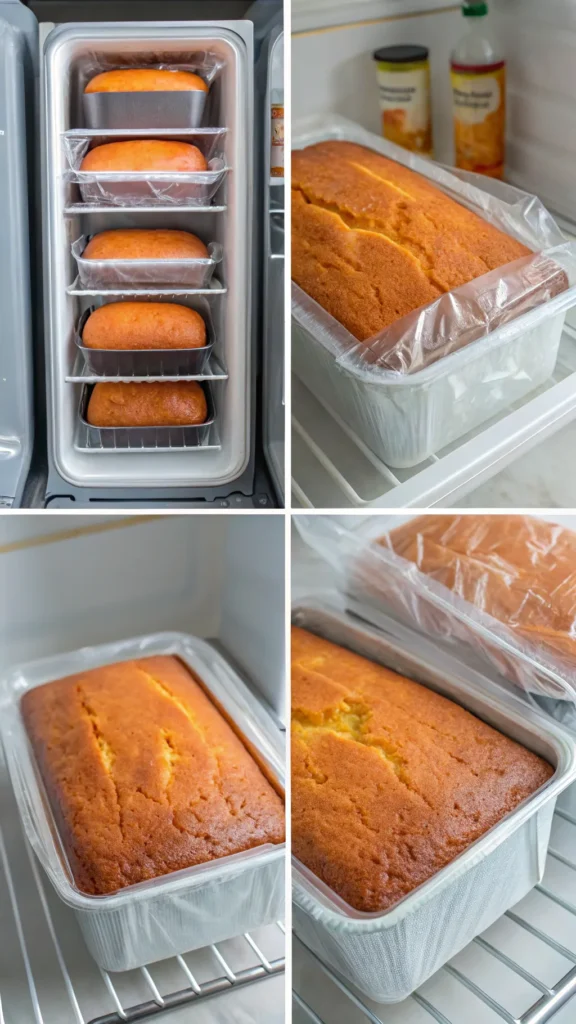
Orange loaf cake stores beautifully, especially when made with oil. It stays moist and flavorful for several days when wrapped properly. I usually keep it covered at room temperature unless it’s very warm. If glazed, I store it in the refrigerator to keep the topping neat. Letting it sit at room temperature before serving brings back the best texture.
Best Storage Practices
- Room temperature: up to 3 days, wrapped
- Refrigerator: up to 5 days
- Freezer: up to 2 months, tightly wrapped
Common Mistakes to Avoid
Small mistakes can dull the orange flavor or affect texture. Using bottled juice weakens the citrus taste, while skipping zest removes most of the aroma. Overmixing the batter leads to a dense loaf instead of a soft one. Baking too long dries it out, especially around the edges. Use fresh oranges, mix gently, and check for doneness early.
Why This Cake Always Feels Homemade
This cake tastes honest and comforting, not overly polished or artificial. The orange flavor feels natural, and the texture feels soft and familiar. It’s the kind of loaf you slice casually and keep on the counter. That’s probably why people keep reaching for another slice.
Final Thoughts
Orange loaf cake delivers fresh citrus flavor, soft texture, and effortless charm in one simple bake. It works for everyday moments, guests, and everything in between without feeling complicated. If you want a cake that feels bright, comforting, and easy to love, orange loaf cake is always a good idea.