Orange Pound Cake
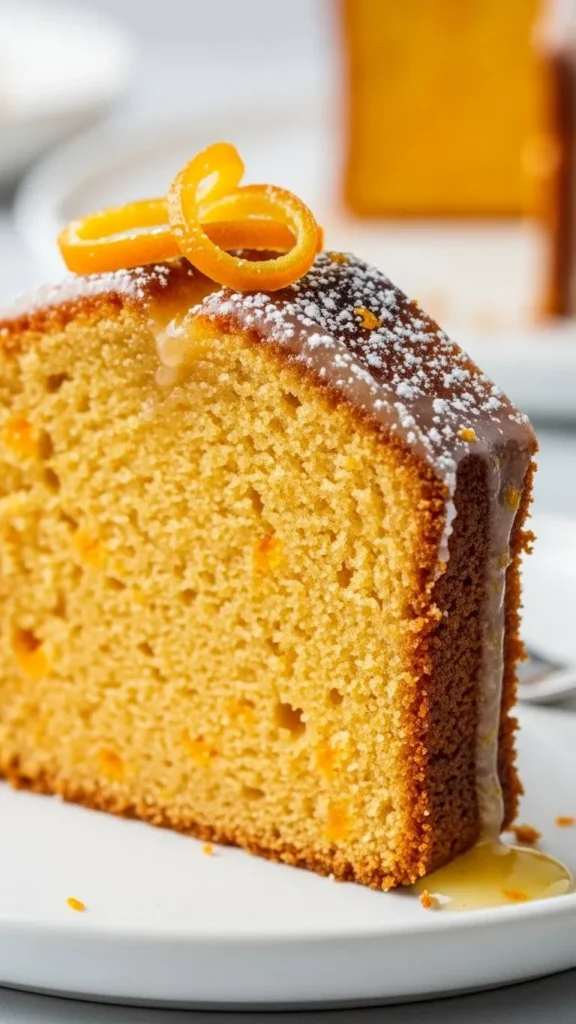
Orange pound cake feels classic in the best possible way. It’s dense but tender, rich but still fresh, and packed with real citrus flavor that doesn’t fade into the background. I usually bake this when I want a cake that slices beautifully, holds its shape, and tastes even better the next day. If you love cakes that feel simple, comforting, and reliable, this one checks every box. Honestly, pound cake and citrus were always meant to meet.
Why Orange Works So Well in Pound Cake
Pound cake already has a rich, buttery base, and orange adds brightness that keeps it from feeling heavy. The citrus cuts through the richness and lifts the flavor, so every bite feels balanced instead of overwhelming. That contrast is exactly what makes orange pound cake so satisfying. The dense crumb also holds citrus flavor really well. Instead of disappearing during baking, the orange flavor settles into the cake and stays noticeable from edge to center.
Fresh Orange Flavor Makes a Big Difference
Fresh orange juice and zest completely change the outcome here. The juice adds moisture and subtle sweetness, while the zest delivers bold citrus aroma that makes the cake smell incredible as it bakes. Bottled juice just doesn’t deliver the same result. I always zest the oranges before juicing them, and I stop as soon as I hit the white pith. Ever bitten into a bitter citrus cake? Yeah, skipping the pith avoids that.
Ingredients You’ll Need
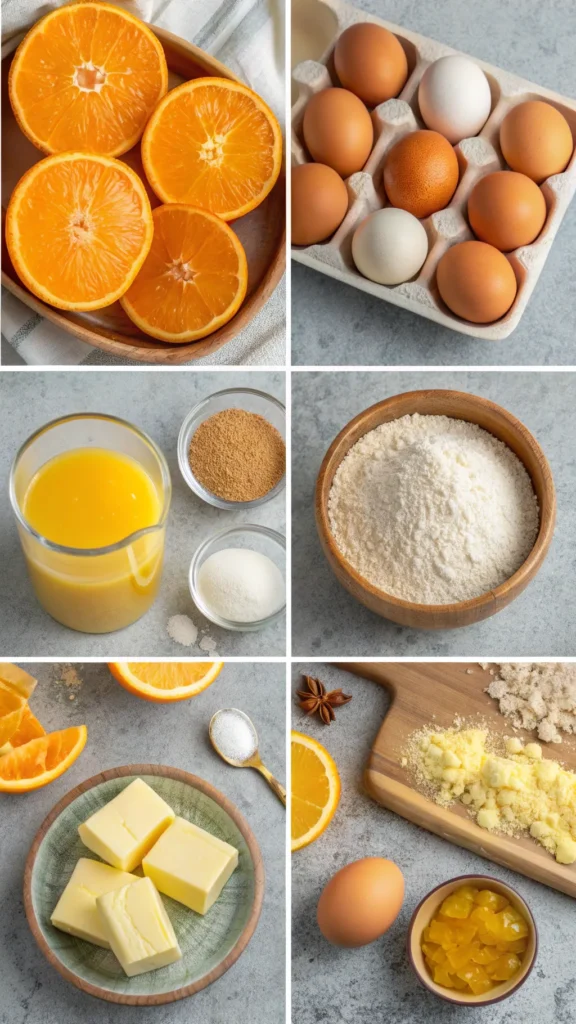
This recipe sticks to traditional pound cake ingredients with a citrus twist. Everything has a clear purpose, and nothing feels unnecessary. Classic ingredients with fresh flavor doing the heavy lifting. You’ll need:
- All-purpose flour
- Fresh orange juice
- Orange zest
- Unsalted butter
- Sugar
- Eggs
- Vanilla extract
- Salt
- Baking powder (optional, depending on style)
Butter Is Non-Negotiable Here
Unlike lighter orange cakes, pound cake really benefits from butter. Butter gives it structure, richness, and that signature dense crumb. Oil works for other citrus cakes, but here it changes the texture too much. I always use room-temperature butter so it creams smoothly with the sugar. Cold butter fights back, and nobody has time for that.
How Orange Pound Cake Comes Together
This cake follows the traditional creaming method, which builds structure and texture. You cream butter and sugar until light, add eggs slowly, then mix in the dry ingredients and orange elements. The process feels calm and controlled. I take my time with the creaming step because it affects the final crumb more than people realize. Rush it, and the cake turns heavy.
Basic Mixing Flow
- Cream butter and sugar until fluffy
- Add eggs one at a time
- Mix in vanilla, orange juice, and zest
- Whisk dry ingredients separately
- Combine gently until just mixed
- Pour into prepared pan and bake
Texture and Flavor Expectations

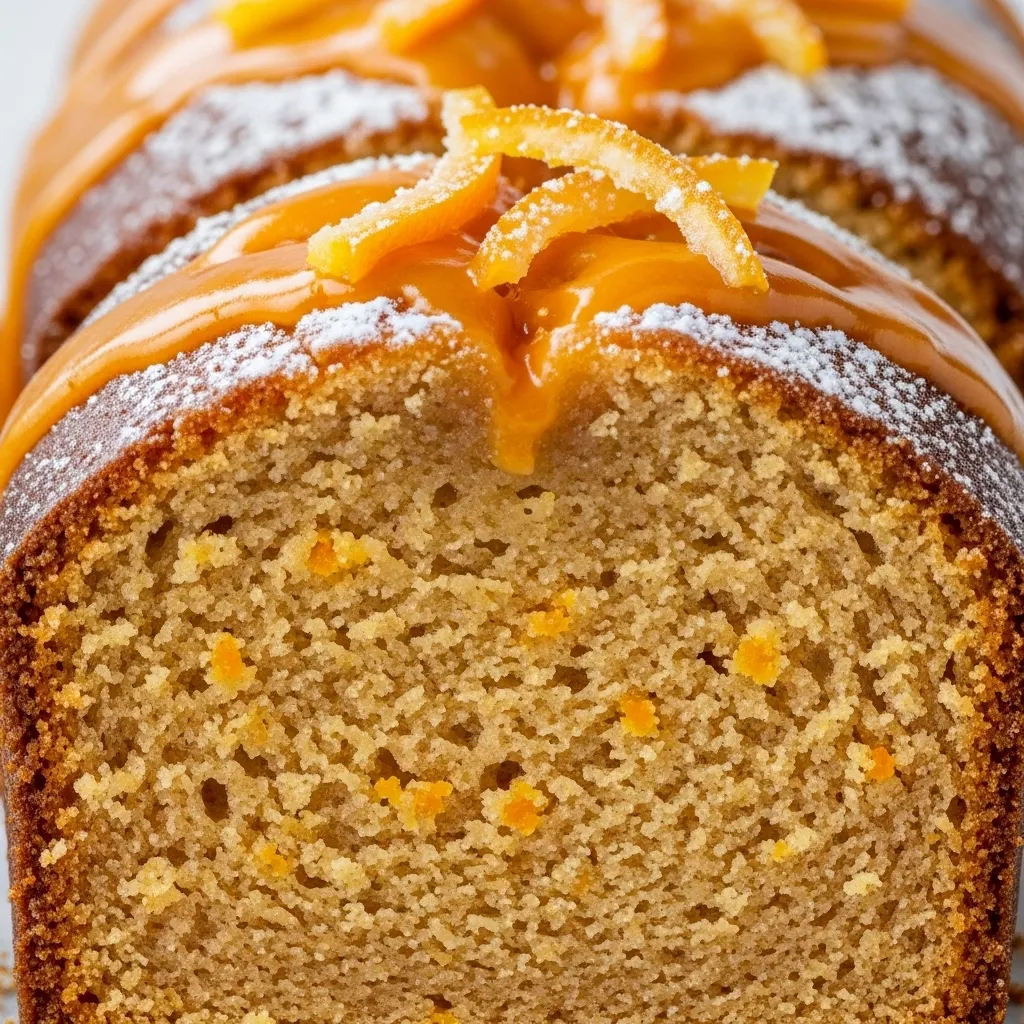
Orange pound cake bakes up dense, moist, and velvety. It slices cleanly and holds together without feeling dry or crumbly. The texture feels rich but not greasy, which is exactly what you want. Flavor-wise, it tastes buttery with a clear citrus finish. The orange doesn’t overpower the cake, but it definitely announces itself. I love how the flavor deepens after the cake rests.
To Glaze or Not to Glaze
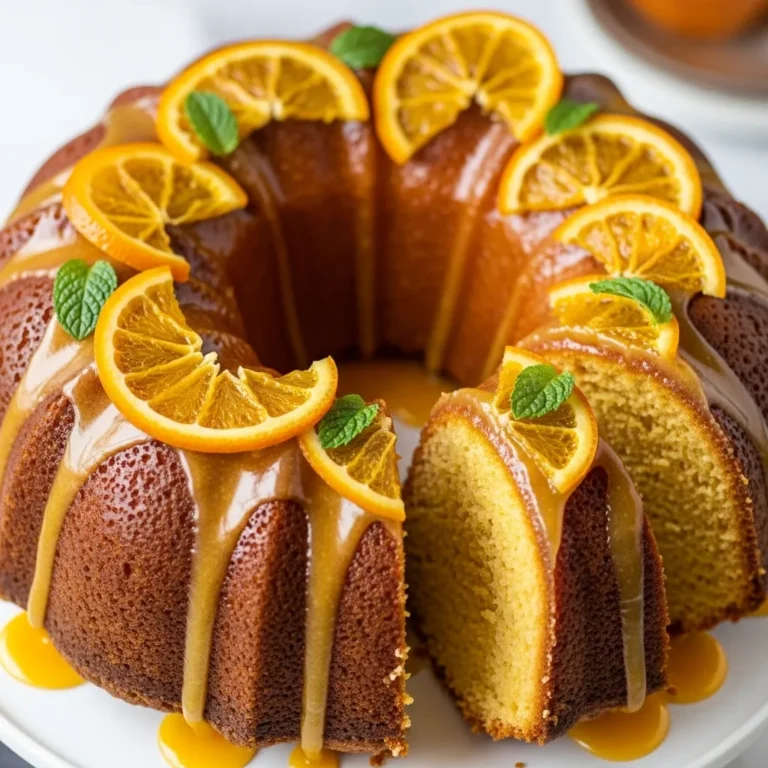
This cake tastes great plain, but a light orange glaze takes it to another level. Powdered sugar mixed with fresh orange juice adds sweetness and extra citrus punch without masking the buttery base. Sometimes I skip the glaze and dust it lightly with powdered sugar. Other times, I glaze it and pretend I made it for a special occasion. Both versions work.
Serving Ideas That Actually Fit
Orange pound cake works in more situations than people expect. It feels casual enough for everyday snacking but polished enough for guests. It adapts easily without losing its character. Great serving ideas include:
- With coffee or tea
- Lightly glazed for dessert
- With whipped cream
- With fresh berries
- As a brunch cake
Storage and Make-Ahead Tips
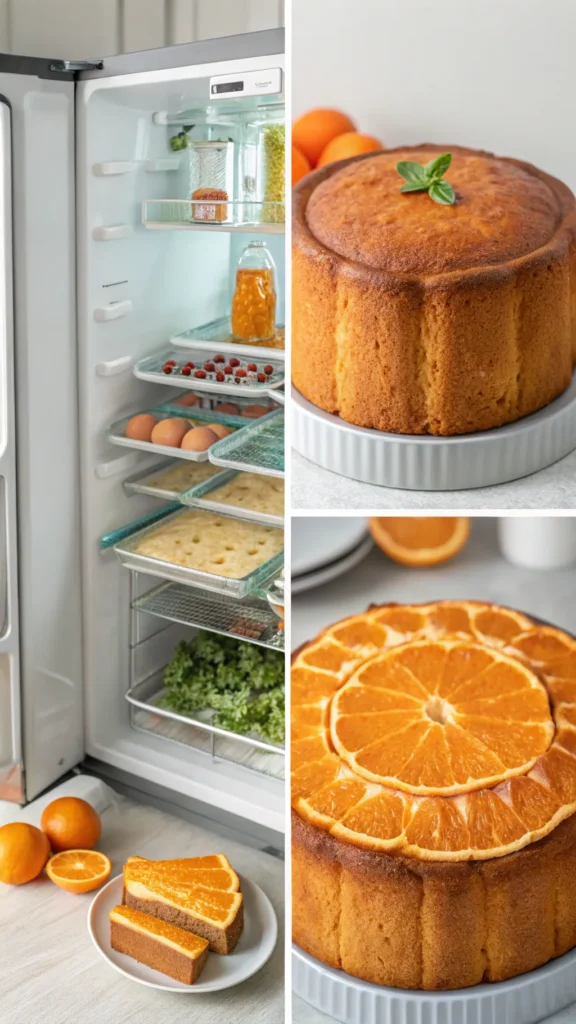
This cake stores beautifully, which is part of its charm. The dense crumb helps it stay moist for days, especially when wrapped properly. I often think it tastes better on day two. If glazed, I store it in the refrigerator. If plain, room temperature works just fine. It freezes extremely well FYI.
Best Storage Practices
- Room temperature: up to 3 days, wrapped
- Refrigerator: up to 5 days
- Freezer: up to 2 months, tightly wrapped
Common Mistakes to Avoid
Small mistakes can throw off a pound cake quickly. Overmixing after adding flour makes the cake tough, while under-creaming the butter and sugar leads to a dense, flat texture. Using bottled juice weakens the orange flavor, and skipping zest removes most of the aroma. Baking at too high a temperature can brown the outside before the center finishes baking. Steady heat and patience matter here.
Why This Cake Feels Timeless
Orange pound cake doesn’t chase trends. It sticks to classic flavors and solid technique, which is why it never feels outdated. The citrus keeps it fresh, and the buttery crumb keeps it comforting. It’s the kind of cake people quietly go back for without announcing it.
Final Thoughts
Orange pound cake delivers rich texture, balanced citrus flavor, and dependable results every time. It’s simple, comforting, and quietly impressive without trying too hard. If you want a cake that slices beautifully, stores well, and tastes even better the next day, orange pound cake deserves a permanent spot in your recipe collection.