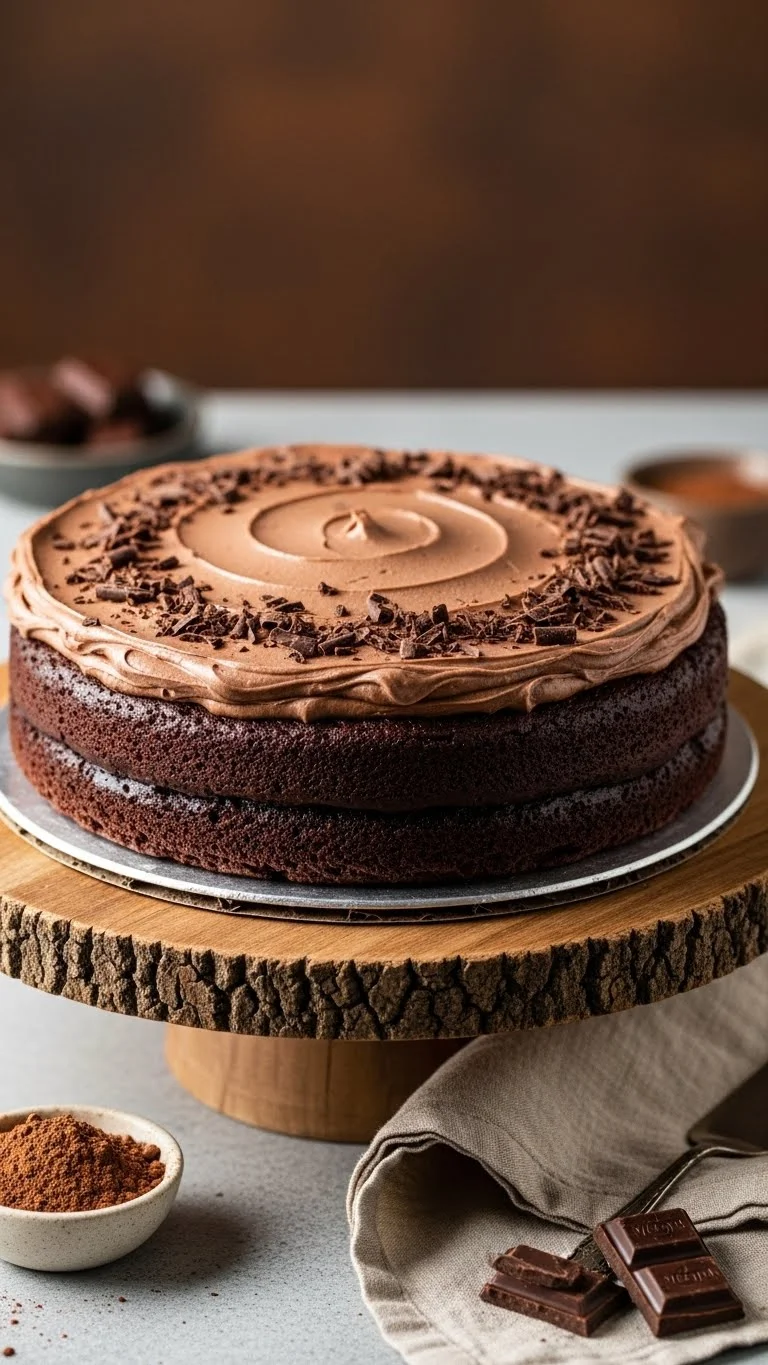

1 Bowl Vegan Coconut Cake | Easy Fluffy Dairy-Free Dessert

Let’s be honest. The words vegan cake don’t always spark excitement. Most people expect something dry, bland, or suspiciously healthy. I used to think the same until I baked my first vegan coconut cake. One slice in, and I realized I had been very, very wrong.
This cake feels soft, smells incredible, and tastes like something you’d proudly serve to anyone, vegan or not. If you want a dessert that feels indulgent without eggs or dairy, you’re in for a treat.
Why Vegan Coconut Cake Is So Popular Right Now
This cake isn’t trendy just because it’s vegan. People love it because it actually tastes good. Coconut brings richness, moisture, and flavor without needing butter or eggs.
Here’s why this cake keeps winning hearts:
- Naturally moist and soft
- Light sweetness that doesn’t feel heavy
- Perfect for vegans and non-vegans alike
What Makes Coconut Perfect for Vegan Baking
Balanced Flavor That Doesn’t Overpower
Coconut has a gentle personality. It adds flavor without taking over the entire dessert. That balance makes vegan coconut cake easy to love.
Each bite feels:
- Soft and tender
- Mildly sweet, not overwhelming
- Comforting but fresh
A Natural Egg and Butter Replacement
Coconut does more than add flavor. It solves real baking problems.
- Coconut milk adds moisture and richness
- Coconut oil gives structure and softness
- Shredded coconut adds texture (optional but fun)
Ingredients That Actually Make a Difference

Full-Fat Coconut Milk Matters
I’ll say this clearly: full-fat coconut milk is essential. Low-fat versions don’t deliver the same moisture or richness, and the cake suffers for it. If your vegan cake ever turned dry too fast, weak coconut milk probably caused it.
Why Coconut Oil Works Best
Coconut oil gives this cake:
- A soft crumb
- A subtle coconut aroma
- Better texture even after cooling
Choosing the Right Flour
I usually stick with all-purpose flour because it’s reliable and forgiving.
Here’s a quick breakdown:
- All-purpose flour → light and fluffy
- Whole wheat pastry flour → slightly denser but still tasty
- Gluten-free blends → workable with careful measuring
Vegan Coconut Cake vs Traditional Coconut Cake

Let’s compare honestly. No exaggeration, no bias, just real differences you’ll actually notice.
Texture Comparison
Traditional coconut cake relies on butter and eggs. Vegan coconut cake feels:
- Lighter on the palate
- Less greasy
- Easier to eat more than one slice
I’ve served this cake to people who didn’t even realize it was vegan. That says a lot.
Flavor Comparison
Butter cakes taste rich, sometimes too rich. Vegan coconut cake tastes:
- Clean and balanced
- Naturally coconut-forward
- Comforting without being heavy
Baking Tips That Save the Cake
Don’t Overmix the Batter
Once everything combines, stop mixing. Overmixing creates a tough texture, and no frosting can fix that. I mix until the flour disappears, then walk away. Simple.
Watch the Bake Time Closely
Every oven behaves differently. I start checking early and remove the cake when a toothpick shows moist crumbs, not dryness. A dry toothpick usually means an overbaked cake.
Don’t Skip the Acid
A small amount of vinegar or lemon juice reacts with baking soda and helps the cake rise properly. You won’t taste it, I promise. Skip this step, and the cake may feel flat. Not worth the risk.
Frosting Options That Pair Beautifully
Vegan Coconut Frosting
This feels like the obvious choice and for good reason. Coconut cream and vegan butter create a smooth, light frosting that complements the cake perfectly.
Vegan Cream Cheese Frosting
If you enjoy a slight tang, this option balances the sweetness beautifully. It adds contrast without overpowering the coconut. Chocolate frosting works too, but coconut deserves the spotlight here.
Simple Serving Ideas That Elevate the Cake
You don’t need fancy decoration. Small details go a long way.
- Toasted coconut flakes on top
- Fresh berries on the side
- Light dusting of powdered sugar
How to Store Vegan Coconut Cake Properly
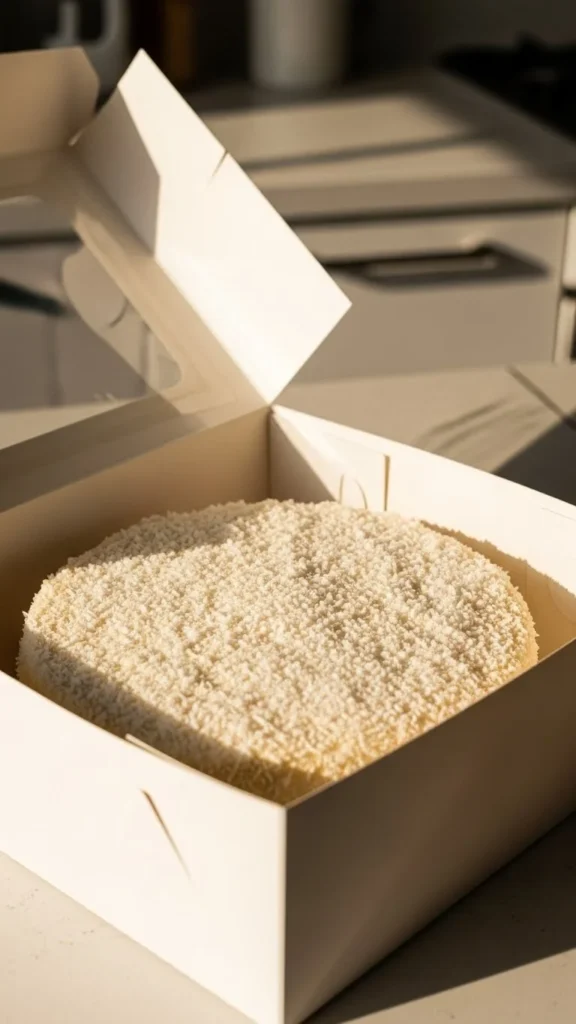
Room Temperature Storage
Unfrosted cake stays fresh in an airtight container for up to 2 days. The texture holds well. It remains soft and flavorful without turning dry or crumbly
Refrigerator Storage
Frosted cake lasts 4–5 days in the fridge. I always let slices sit at room temperature for 10 minutes before serving. Cold cake hides flavor.
Freezing the Cake
You can freeze individual slices easily. Wrap them well, thaw at room temperature, and enjoy later. The texture survives surprisingly well.
Common Mistakes to Avoid
I learned these the hard way.
- Using low-fat coconut milk
- Overbaking “just to be safe.”
- Skipping acid like vinegar
- Expecting it to taste exactly like butter cake
Vegan baking follows slightly different rules. Once you respect them, the results feel rewarding. You stop chasing substitutes and start appreciating how well plant-based ingredients actually work together.
Why This Cake Works for Almost Everyone
This cake fits so many situations, it feels almost unfair.
- Vegan and dairy-free
- Easy to adapt for refined sugar alternatives
- Crowd-pleasing even for skeptics
Ever needed one dessert that satisfies everyone? This comes close. It’s the kind of cake you can serve without explanations, labels, or apologies
Final Thoughts
Vegan coconut cake proves that plant-based baking doesn’t mean compromise. It feels soft, flavorful, and comforting without eggs or dairy. I love how simple it is to make and how confidently it stands next to traditional cakes.
If you want a dessert that feels light yet satisfying, give this cake a try. You might surprise yourself and a few skeptics, too. And honestly? That’s half the fun.